Manual Hydraulic Pallet Truck Won’t Lift: 4 Key Inspection Points
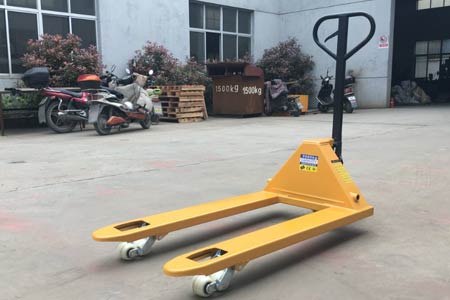
It is a common warehouse fault that the manual hydraulic pallet truck cannot lift. Many operators directly judge the cylinder as broken and replace parts blindly, bringing extra unnecessary costs. Most faults come from hydraulic oil circuits, release valves and stuck pins. You can fix most issues quickly by checking them one by one in order.
First, check the release handle. Incomplete handle reset is the most frequent cause. If the release valve cannot fully close, hydraulic oil keeps flowing back, and the pallet truck will not rise no matter how many times you pump. Make sure the handle is locked at the pressurizing position. Check whether the connecting rod is deformed or stuck. Clean trapped debris if found. Straighten or replace deformed connecting rods.
Second, check the hydraulic oil level. Insufficient or deteriorated oil leads to weak lifting. Top up the same type of hydraulic oil at the designated filling port if oil is low. If the oil turns dark and cloudy, drain all old oil, refill new oil and clean impurities inside the tank. Do not overfill, as excessive oil also causes abnormal lifting.
Third, inspect the valve core and seals. Debris stuck inside the valve core causes poor sealing. Pump the handle repeatedly and switch the release valve back and forth to flush out impurities with oil pressure. If this fails, the internal oil seal is likely worn out and causes internal leakage. You need to disassemble the cylinder and replace the oil seal kit.
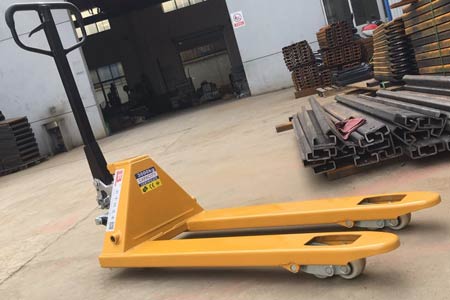
Fourth, check if forks and wheel frames are jammed by foreign objects. Strapping bands, iron wires and gravel stuck in pin or wheel frame gaps lock the mechanical structure. Even a sound hydraulic system cannot lift the load. Clear the obstacles and test the lifting function of the manual hydraulic lifting pallet truck. Run tests with no load to avoid secondary damage to components.
FAQ
Q: The pallet truck still cannot lift after refilling hydraulic oil.
A: Bleed air from the cylinder. Pump the handle repeatedly while triggering the release valve to discharge trapped air inside the oil circuit.
Q: It sinks automatically after lifting.
A: This is usually caused by aged oil seals or poor sealing of the release valve. Check valve core and sealing parts first.
Q: Can I use other types of hydraulic oil instead?
A: Not recommended. Mismatched viscosity speeds up seal wear. Always use dedicated hydraulic oil for pallet trucks.
-
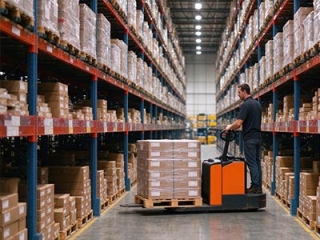 What Is the Difference Between Double Pallet Truck and Standard Pallet JackDouble and single pallet trucks are for horizontal transport. Single suits narrow aisles, double carries two pallets for high efficiency yet needs wider space.
Do you like ?0
Read more -
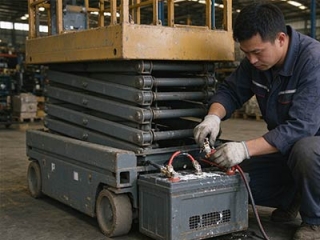 3 Key Points for Battery Maintenance of Battery Operated Scissor LiftAerial scissor lift batteries differ from forklift ones. Control charging, avoid long high-altitude standby and top up idle power to protect batteries.
Do you like ?0
Read more -
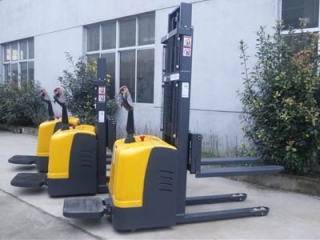 Stand-on Double Pallet Lithium Stacker Daily & Periodic Maintenance TipsDual-pallet lithium stackers wear faster with heavier loads. Follow daily, weekly and monthly maintenance for load-bearing parts and lithium battery systems.
Do you like ?0
Read more -
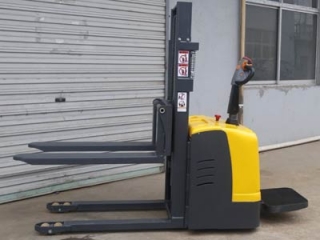 Why Working Conditions Matter When Buying Stand-on Electric StackerDo not only compare prices for stand-on stackers. E-commerce, cold and ramp workshops vary greatly. Customize specs on-site to avoid downtime.
Do you like ?0
Read more -
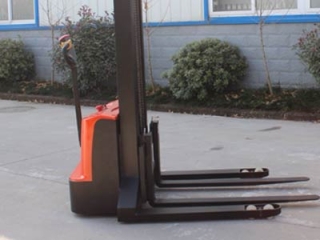 How to Operate Walk-Behind Straddle Full Electric Stacker, 6 Step GuideFollow standard steps for walkie straddle electric stackers to avoid pallet jamming and rack collision. Pre-check, fork alignment and safe stacking ensure operation safety.
Do you like ?0
Read more -
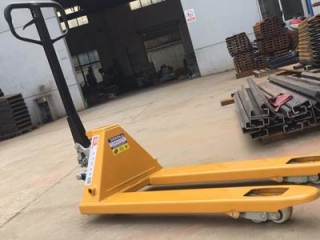 Manual Hydraulic Pallet Truck Won’t Lift: 4 Key Inspection PointsFailed lifting of manual pallet trucks is common. Check release lever, oil, valve seal and jamming first instead of replacing cylinders for low-cost repair.
Do you like ?0
Read more