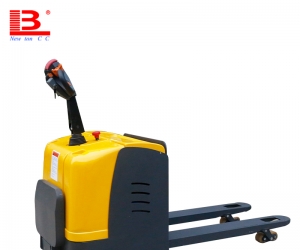
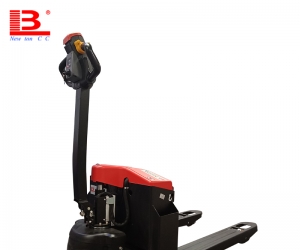
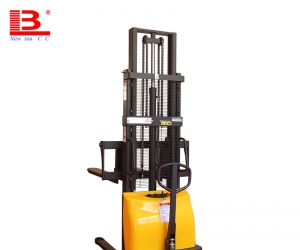
Why Working Conditions Matter When Buying Stand-on Electric Stacker
Many buyers only compare prices when selecting stand-on electric stackers and ignore the differences of warehouse working conditions. The same model performs differently and has varied failure rates in e-commerce distribution warehouses and low-temperature raw material warehouses. A professional warehouse stacker manufacturer will not simply recommend standard stock units, but sort out site conditions first before offering solutions.
A local component processing factory runs two shifts. It transfers tooling pallets daily, with a 2.4-meter aisle width and a 5% ramp at the loading dock. At first, they bought standard stand-on stackers from a middleman. After one week of continuous operation, the machines struggled to climb slopes and the brakes slipped easily.
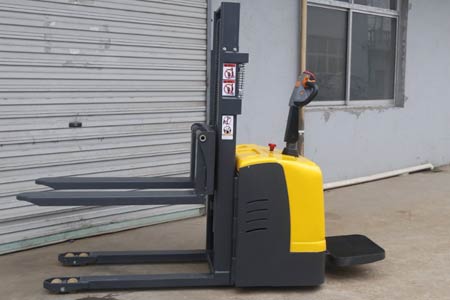
After cooperating with the source manufacturer, they upgraded the configuration with higher power drive motors, improved electromagnetic brakes and fast-charging lithium batteries. The batteries can be recharged during shift breaks to fit continuous material flow. Standard stand-on electric stacker with polyurethane wheels and basic controllers works well for flat single-shift warehouses, with good cost performance.
Special environments such as cold storage and humid workshops require sealed moisture-proof structures and low-temperature hydraulic parts. Clean food workshops need anti-rust coating on frames to reduce dust buildup. For narrow aisles and dense racking, calculate the right-angle stacking aisle width and choose compact bodies. Side shift functions are optional for precise alignment.
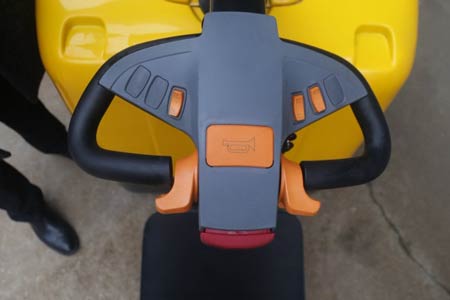
Reliable manufacturers collect details including pallet size, rack height, shift schedule and floor conditions instead of only listing specifications. Custom forks and mast heights are available. Export orders come with complete certification documents, sufficient spare parts and fast after-sales support.
Low-priced generic assembled units often break frequently under special working conditions. Downtime losses far exceed the price gap. Share full site information with the warehouse stacker manufacturer before purchase to get a tailored solution for stable long-term operation.
-
 What Is the Difference Between Double Pallet Truck and Standard Pallet JackDouble and single pallet trucks are for horizontal transport. Single suits narrow aisles, double carries two pallets for high efficiency yet needs wider space.
Do you like ?0
Read more -
 3 Key Points for Battery Maintenance of Battery Operated Scissor LiftAerial scissor lift batteries differ from forklift ones. Control charging, avoid long high-altitude standby and top up idle power to protect batteries.
Do you like ?0
Read more -
 Stand-on Double Pallet Lithium Stacker Daily & Periodic Maintenance TipsDual-pallet lithium stackers wear faster with heavier loads. Follow daily, weekly and monthly maintenance for load-bearing parts and lithium battery systems.
Do you like ?0
Read more -
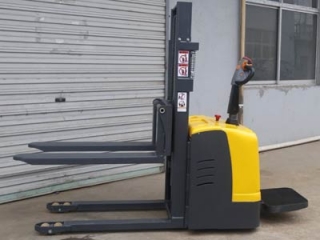 Why Working Conditions Matter When Buying Stand-on Electric StackerDo not only compare prices for stand-on stackers. E-commerce, cold and ramp workshops vary greatly. Customize specs on-site to avoid downtime.
Do you like ?0
Read more -
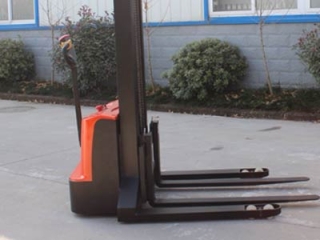 How to Operate Walk-Behind Straddle Full Electric Stacker, 6 Step GuideFollow standard steps for walkie straddle electric stackers to avoid pallet jamming and rack collision. Pre-check, fork alignment and safe stacking ensure operation safety.
Do you like ?0
Read more -
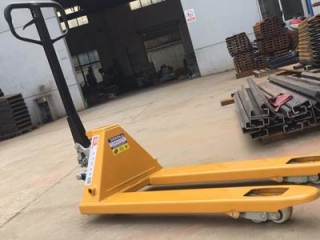 Manual Hydraulic Pallet Truck Won’t Lift: 4 Key Inspection PointsFailed lifting of manual pallet trucks is common. Check release lever, oil, valve seal and jamming first instead of replacing cylinders for low-cost repair.
Do you like ?0
Read more