
1 Ton Manual Hydraulic Stacker Wholesale | Main Selection Factors
Many distributors buy 1 ton manual hydraulic stacker in bulk. Most buyers focus heavily on price comparison, while ignoring other critical inspection items. Low price does not mean high cost performance. Poor raw materials and weak production capacity may cause oil leakage, weak lifting or frame deformation after delivery. Return and replacement will waste plenty of time.
Many distributors look for manual hydraulic stacker wholesale. Check the following 5 points carefully to avoid procurement risks.
Quality of hydraulic system
The hydraulic pump is the core component of manual stacker. Inferior pumps often suffer pressure relief and stuck lifting. For warehouses with frequent operation, integrated cast hydraulic assembly is preferred. It reduces oil leakage failures and maintenance work.
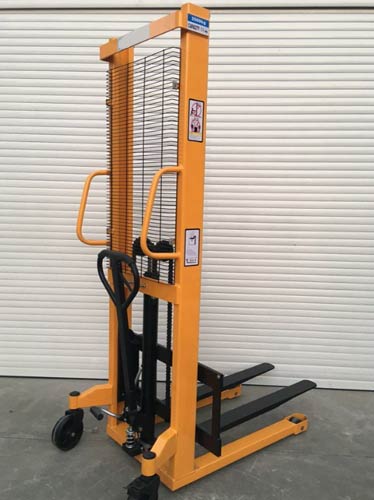
Steel material for frame
Although the rated load is only 1 ton, the frame bears continuous load. Thin steel plates will bend under long-time heavy load. Confirm steel specification during wholesale. Do not only chase low price. Thin frame brings potential safety hazards.
Wheel configuration selection
Warehouse floors include epoxy and cement surfaces. Different wheels suit different ground conditions. Polyurethane wheels work on smooth indoor floors with low noise and good wear resistance. Nylon wheels are suitable for ground with sand and gravel. Custom wheel options can be selected for bulk orders.
Manufacturer delivery capacity
Check stock availability and production lead time for bulk orders. Small workshops usually have long production schedules and delay warehouse operation. Confirm simple custom services such as nameplate and package modification to meet your delivery requirements.
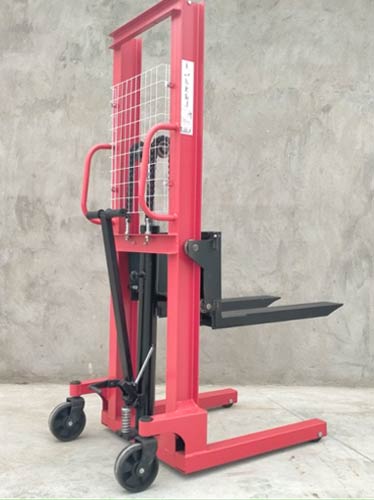
After-sales terms
Large equipment quantity means more maintenance demand later. Confirm fast supply of wearing parts, including oil seals, wheels and handles. Clarify warranty scope and distinguish between man-made damage and product quality defects to prevent disputes.
Checking these 5 items besides price can greatly reduce equipment failure risks. If you are unsure about proper configuration, contact us for professional procurement reference.
-
 Maintenance Notes for Double Pallet Truck Under Heavy Warehouse LoadsOperators often ignore abnormal motor noise of double pallet trucks during rush orders. Continuous operation burns motors. Timely maintenance prevents failures.
Do you like ?0
Read more -
 How to Get Accurate Quotations for Stand-on Counterbalance StackerStand-on counterbalance stackers rely on rear weight for stability and cost more. Battery, load, lift height and custom options affect final quotations.
Do you like ?0
Read more -
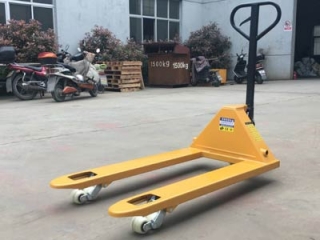 Manual Stacker Vs Pallet Jack: Key Operational Function DifferencesNew buyers confuse manual pallet trucks and manual stackers. They differ in lifting function. Pallet trucks for transfer, stackers for racking to avoid risks.
Do you like ?0
Read more -
 Custom Forklift Dimensions for Export to Fit Narrow Warehouse AislesForklift export faces size risks. Overseas orders may fail door, container or aisle fit. Customization needs balance of gravity, load and target market certifications.
Do you like ?0
Read more -
 Forklift Safety Management Guide Based on Special Equipment SpecificationsForklifts are special equipment. Follow TSG 81 with training, records, inspection and on-site control to prevent accidents and penalties.
Do you like ?0
Read more -
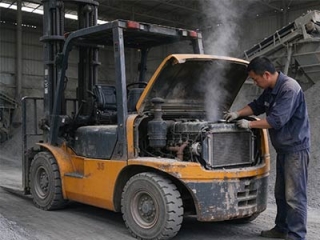 Heavy-Duty Diesel Forklift High Temperature Troubleshooting Guide3.5t diesel forklifts often overheat when handling sand and stone. Inspect cooling system step by step: radiator, belt, shroud, thermostat and water pump.
Do you like ?0
Read more








