
3 Configurations That Determine The Price of Semi Electric Stacker
Many warehouse buyers compare quotations directly when purchasing semi electric stackers. They only focus on price while ignoring cost gaps caused by different configurations. How much is a semi electric stacker? The price ranges from thousands to tens of thousands. Even semi electric stacking equipment with the same appearance can have a price gap of several thousand. The price difference mainly comes from core components. Master these 3 configuration items to avoid low-price traps.
Battery configuration The battery is a core part affecting the price. Traditional lead-acid batteries cost less, yet charge slowly and have short cycle life. They fit low-frequency intermittent operations. Lithium batteries come with higher price. They support fast opportunity charging and suit continuous high-frequency warehouse work. Confirm battery capacity and brand before ordering.
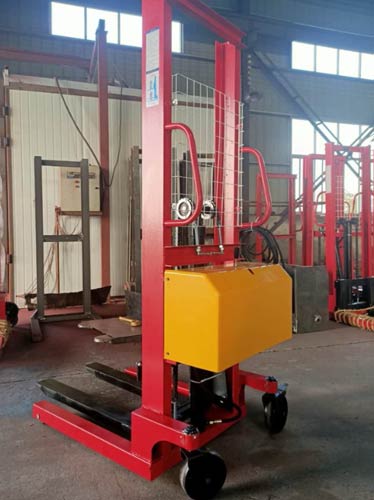
Hydraulic lifting assembly The hydraulic unit controls fork lifting, and its quality decides equipment durability. High-quality hydraulic parts deliver smooth lifting and resist oil leakage and pressure loss. Cheap hydraulic pumps tend to jam and leak after long use, bringing high maintenance cost. Check the workmanship of hydraulic assembly for bulk purchase.
Mast material and lifting height Higher lifting height requires more mast steel, pushing up the whole machine price. At the same lifting height, masts with thickened steel offer better stability and less shaking. Thin steel masts cost less but bring safety risks during high stacking. Match mast height with your warehouse rack height.
Besides the three core configurations, load capacity and wheel material will slightly change quotations. Buying only low-price equipment often leads to insufficient battery life and lifting failures, raising later maintenance expenses. Do not compare unit price alone. Select models according to daily workload and stacking requirements.
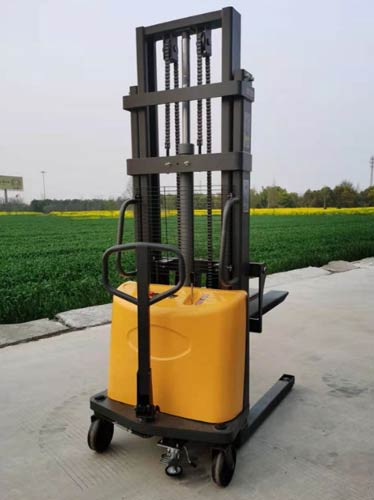
Price range of semi-electric stackers in 2026:
1 ton, 2m lifting height: about $535–$670, basic model for light-duty warehousing.
1 ton, 3m lifting height: about $670–$830, mainstream model in the market.
1.5 ton, 2m lifting height: about $640–$770, mostly used for raw material stacking in workshops.
1.5 ton, 3m lifting height: about $770–$970, best-selling specification.
2 ton, 2m lifting height: about $790–$950, suitable for heavy-load and low-frequency operations.
2 ton, 3m lifting height: about $950–$1160, with thickened mast and higher material standard.
Sort out rack height and daily workload before procurement. Verify configuration lists with manufacturers to get reasonable quotations matching your working conditions.
If you have questions about warehouse semi electric stacking equipment selection, share your site conditions for professional purchasing advice.
-
 Reliability Of Newnewton Warehouse Forklifts For Heavy-Duty ShiftsWarehouse forklift reliability relies on industrial parts, reinforced frames and factory durability tests. Proper operation and maintenance reduce unexpected downtime.
Do you like ?0
Read more -
 Forklift Configuration Strategy For Dense Warehousing, Warehouse ForkliftDense warehousing needs matched forklifts besides racks. Reach and trilateral stackers fit different layouts, coordinate aisle, load curve and floor for smooth handling.
Do you like ?0
Read more -
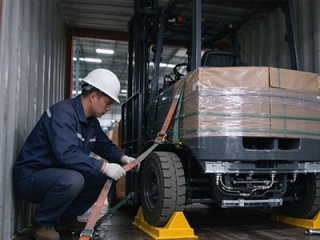 Full Container Supply For Export Forklifts, Forklift ManufacturerBulk forklift orders for overseas can ship by FCL or LCL. Newnewton FCL offers stable freight, safer packing and mixed models for large purchases.
Do you like ?0
Read more -
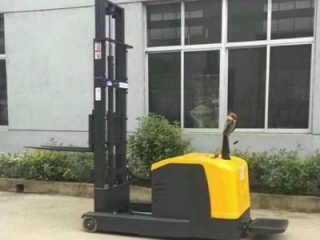 Stand-on Reach Stacker For Narrow Aisle Stacking, Mast Reach StructureStand-on reach stackers feature sliding masts that stay outside racks. They boost storage density in narrow aisles and require flat floors and standard pallets.
Do you like ?0
Read more -
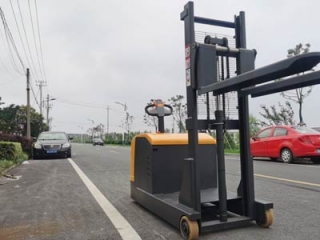 Stand-on Counterbalance Stacker For Various Pallets, Why No Leg RestrictionCounterbalance stackers have no front outriggers, using rear counterweight to avoid pallet interference. They fit various odd pallets yet need wider warehouse aisles.
Do you like ?0
Read more -
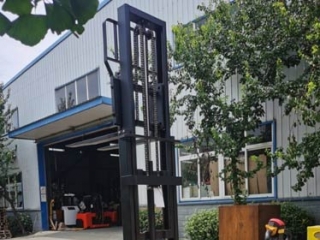 Custom Walk-Behind Counterbalance Stacker | Non-Standard ModificationsStandard walk-behind counterbalance stackers struggle with non-standard pallets and tight aisles. Customize load, lift, forks and structure, share working conditions for safe design.
Do you like ?0
Read more








