
Cold Storage Forklift | Features of Low-Temperature Warehouse Forklift
Ordinary electric forklifts cannot work continuously inside cold storage. Condensation from temperature fluctuations, solidified oil and degraded battery performance under low temperatures easily lead to electrical faults and sluggish movements. Enterprises need dedicated models for low-temperature warehousing. This guide introduces the core features of cold storage forklift.
Sealed electronic control system against condensation Wide temperature differences between inside and outside cold storage create moisture condensation when forklifts move in and out frequently. Controllers and wiring harnesses of cold storage forklift are fitted with sealed housings and heating modules to avoid short circuits and controller malfunctions caused by moisture intrusion. This is the most important upgrade compared with standard forklifts.
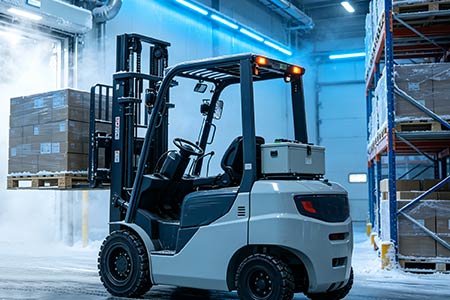
Battery insulation and heating components for low temperatures Extremely low temperatures greatly reduce available battery capacity. cold storage forklift comes with battery insulation compartments and low-temperature heating devices to guarantee stable battery discharge below zero degrees, slow down battery aging and reduce unexpected shutdowns.
Hydraulic system adapted to frigid conditions The whole machine is filled with low-temperature hydraulic oil and low-temperature resistant grease. It ensures smooth operation of oil cylinders, chains and transmission parts in cold environments, eliminating slow lifting and insufficient lifting power.
Upgraded anti-corrosion and rust protection for the whole vehicle High humidity inside cold storage accelerates rust formation. Frames, masts and fasteners adopt enhanced anti-corrosion coatings. Rubber pipelines and sealing elements use low-temperature resistant materials to prevent hardening, cracking and oil leakage.
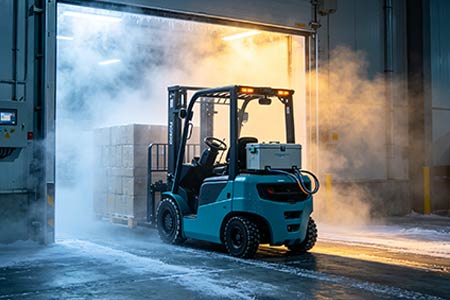
Low-temperature optimized operating components Handle sleeves, seats, tires and other fittings are adapted to cold environments. An optional enclosed heated cab is available for machines staying inside cold storage permanently to improve operator comfort.
Key Selection Tips
Distinguish working modes: intermittent access vs 24-hour permanent residence in cold storage. The two modes require different modification levels and bring obvious cost differences.
Confirm the minimum cold storage temperature: common levels are -18℃, -25℃ and -35℃. Lower temperatures require higher-grade anti-freezing configurations.
Choose the proper model: electric forklifts are preferred for indoor cold storage. Extra waterproof upgrades are needed for humid areas requiring regular cleaning.
low-temperature warehouse forklift has distinctive professional features. Grasp these selection criteria to avoid purchasing mistakes and enable stable long-hour operation in low-temperature environments.
-
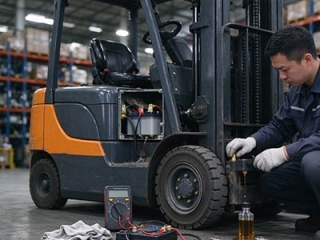 Reliability Of Newnewton Warehouse Forklifts For Heavy-Duty ShiftsWarehouse forklift reliability relies on industrial parts, reinforced frames and factory durability tests. Proper operation and maintenance reduce unexpected downtime.
Do you like ?0
Read more -
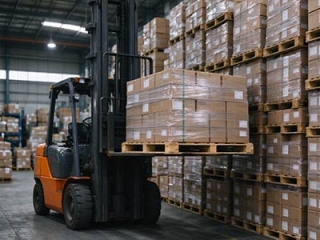 Forklift Configuration Strategy For Dense Warehousing, Warehouse ForkliftDense warehousing needs matched forklifts besides racks. Reach and trilateral stackers fit different layouts, coordinate aisle, load curve and floor for smooth handling.
Do you like ?0
Read more -
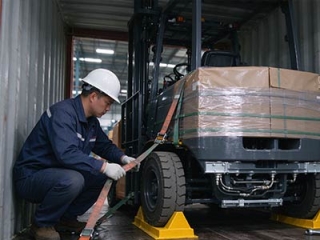 Full Container Supply For Export Forklifts, Forklift ManufacturerBulk forklift orders for overseas can ship by FCL or LCL. Newnewton FCL offers stable freight, safer packing and mixed models for large purchases.
Do you like ?0
Read more -
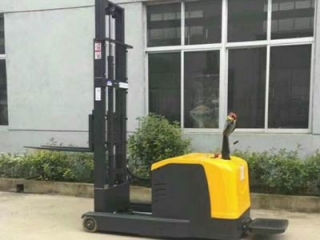 Stand-on Reach Stacker For Narrow Aisle Stacking, Mast Reach StructureStand-on reach stackers feature sliding masts that stay outside racks. They boost storage density in narrow aisles and require flat floors and standard pallets.
Do you like ?0
Read more -
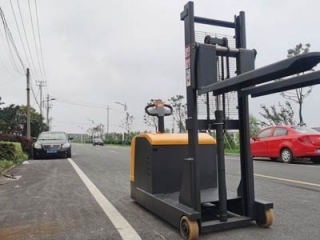 Stand-on Counterbalance Stacker For Various Pallets, Why No Leg RestrictionCounterbalance stackers have no front outriggers, using rear counterweight to avoid pallet interference. They fit various odd pallets yet need wider warehouse aisles.
Do you like ?0
Read more -
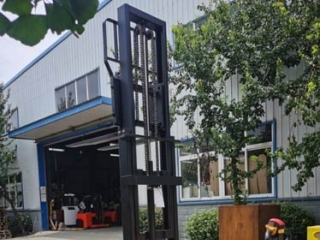 Custom Walk-Behind Counterbalance Stacker | Non-Standard ModificationsStandard walk-behind counterbalance stackers struggle with non-standard pallets and tight aisles. Customize load, lift, forks and structure, share working conditions for safe design.
Do you like ?0
Read more








