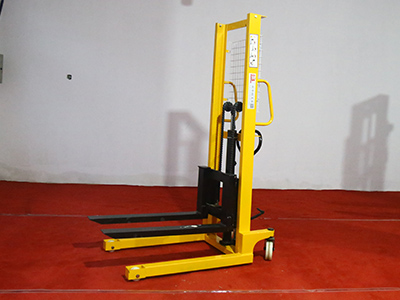
Correct operation method and operation instructions of manual hydraulic stacker
1. Before using the manual hydraulic stacker , check the hydraulic cylinder status to ensure that there is no oil leakage. Hold the control handle with both hands, forcing the vehicle to drive slowly towards the working cargo. After the manual high-rise truck stops stably, the goods can be loaded, and it can not be stopped on the ramp or on the road with potholes.
2. How to load and unload the manual hydraulic stacker : (1) when the fork is in low position, keep vertical with the shelf, and carefully close to the shelf (2) raise the fork to the required height. Height, move slowly to the pallet to be unloaded, and ensure that the fork easily enters the shelf, and the goods are in the fork safe position (3) lift the fork until the pallet is lifted from the shelf (4) slowly return to the aisle (5) slowly reduce the goods, and ensure that the fork does not touch the obstacles during the lowering process. Note: when the goods are raised, the steering and braking operation must be carried out slowly and carefully. Withdraw the manual stacking car and remove the tray fork hole.

3. How to stack manually the manual hydraulic stacker : (1) keep the goods low and carefully close to the shelf (2) lift the goods to the top of the shelf (3) move forward slowly, stop when the goods are higher than the shelf, then put down the pallet and pay attention to the fork not to apply force to the shelf under the goods to ensure that the goods are in a safe position (4) slowly return, Make sure the pallet is in a safe and secure position (5) to lower the fork to a position where the stacker can move.
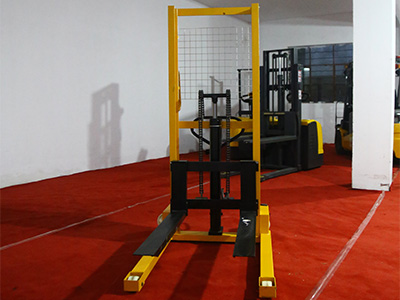
4. The necessary safety measures for manual hydraulic stacker : (1) when loading, they shall not be overweight or unbalanced, and the center distance of load shall be paid attention to( 2) Not on the ramp, not on the ramp( 3) The elevator in and out is advanced, and the person enters later. When the goods are delivered, the order of the person first and then the outgoing is guaranteed( 4) Pay attention to the load ratio of manual high truck. It is not allowed to drive when loading, so as to avoid the upward movement of cargo center and overturning.
5. Prohibition of manual stacking of high-speed vehicles (1) prohibition of operation of electric forklift truck drinking (2) stacking of overloaded, uneven and flat goods (3) no cross riding operation (4) stopping on ramps or steps is prohibited.
-
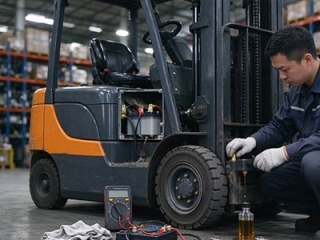 Reliability Of Newnewton Warehouse Forklifts For Heavy-Duty ShiftsWarehouse forklift reliability relies on industrial parts, reinforced frames and factory durability tests. Proper operation and maintenance reduce unexpected downtime.
Do you like ?0
Read more -
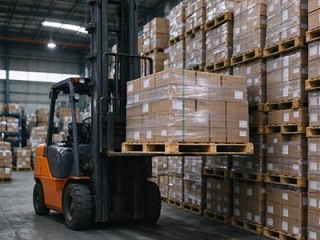 Forklift Configuration Strategy For Dense Warehousing, Warehouse ForkliftDense warehousing needs matched forklifts besides racks. Reach and trilateral stackers fit different layouts, coordinate aisle, load curve and floor for smooth handling.
Do you like ?0
Read more -
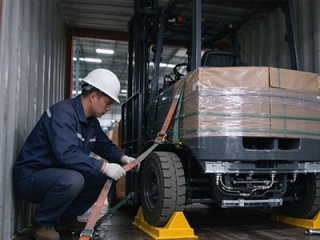 Full Container Supply For Export Forklifts, Forklift ManufacturerBulk forklift orders for overseas can ship by FCL or LCL. Newnewton FCL offers stable freight, safer packing and mixed models for large purchases.
Do you like ?0
Read more -
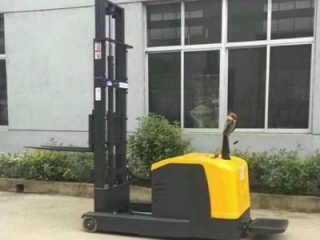 Stand-on Reach Stacker For Narrow Aisle Stacking, Mast Reach StructureStand-on reach stackers feature sliding masts that stay outside racks. They boost storage density in narrow aisles and require flat floors and standard pallets.
Do you like ?0
Read more -
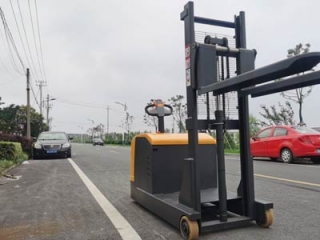 Stand-on Counterbalance Stacker For Various Pallets, Why No Leg RestrictionCounterbalance stackers have no front outriggers, using rear counterweight to avoid pallet interference. They fit various odd pallets yet need wider warehouse aisles.
Do you like ?0
Read more -
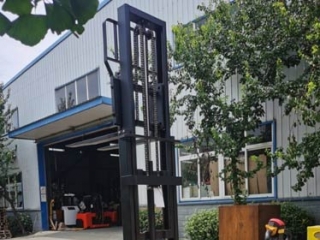 Custom Walk-Behind Counterbalance Stacker | Non-Standard ModificationsStandard walk-behind counterbalance stackers struggle with non-standard pallets and tight aisles. Customize load, lift, forks and structure, share working conditions for safe design.
Do you like ?0
Read more