Detailed explanation of the components and functions of forklifts
Forklifts are mechanical equipment used to handle and stack items, which are widely used in warehousing, logistics, and manufacturing. Its core components work together to deliver efficient performance.
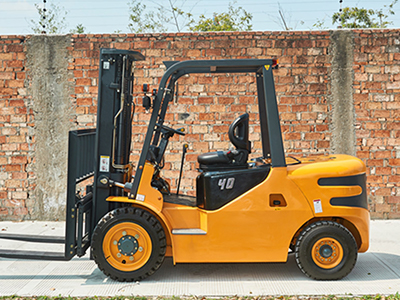
The forklift power system consists of three modules: the engine (gasoline, diesel or LPG), the transmission system (mechanical, hydromechanical or hydrostatic) and the travel system (frame, suspension, cockpit).
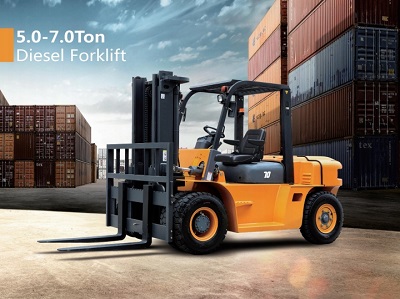
The forklift frame supports the components and bears the weight, the suspension absorbs vibrations, and the cockpit provides a safe and comfortable operating environment. The transmission system transmits power, and the travel system makes the forklift move.
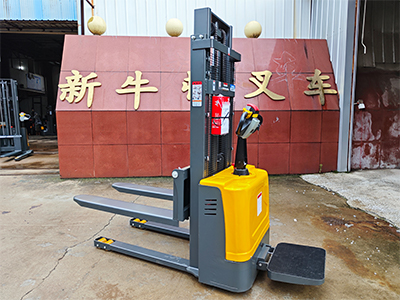
The steering system is divided into mechanical, hydraulically assisted and fully hydraulic to ensure responsive handling. The braking system includes mechanical, hydraulic and vacuum-assisted to ensure timely braking.
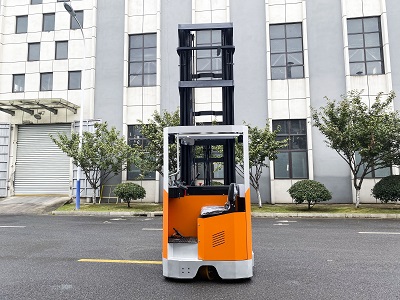
The working device consists of a gantry system, a hydraulic system and an attachment system. The gantry system carries the goods and completes the lifting, tilting and other actions, the hydraulic system provides power, and the attachment system expands the functional range of the forklift.
The operator panel is equipped with various buttons and indicators for easy control. The cab provides a comfortable working environment for the operator.
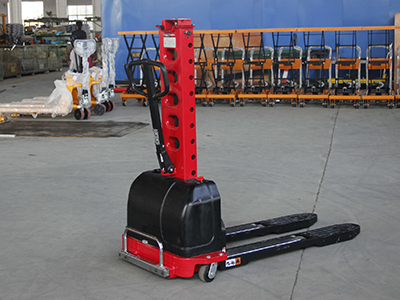
Safety devices include speed limiting devices, seat belts, overturning protection devices, and alarm devices to ensure workplace safety. Speed limiting devices control speed, seat belts provide protection, overturn protectors prevent tipping, and alarm devices provide warnings.
Forklifts are complex and precise, and the individual components work together to make them highly efficient handling and stacking equipment. With proper use and maintenance, its safety and efficiency can be guaranteed.
-
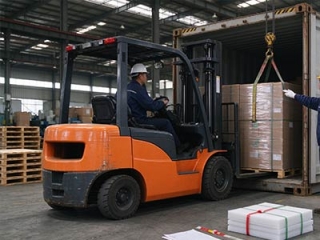 Newnewton Forklift Manufacturer, Forklift CE Certification for ExportNewnewton forklift factory offers full CE certification complying with EN ISO 3691, complete technical documents and OEM service to reduce customs detention risks.
Do you like ?0
Read more -
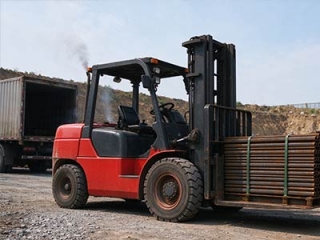 Electric Forklift Vs Diesel Forklift, Warehouse Selection GuideElectric forklift is zero-emission and quiet for indoor clean warehouses. Diesel forklift offers strong power for outdoor heavy-duty tasks.
Do you like ?0
Read more -
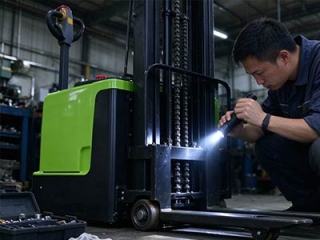 Narrow Aisle Stacker Forklift Custom Manufacturer for WarehouseCustom narrow aisle stacker for non-standard racking. Adjust body, mast and fork specs, upgrade power and protection, site survey available.
Do you like ?0
Read more -
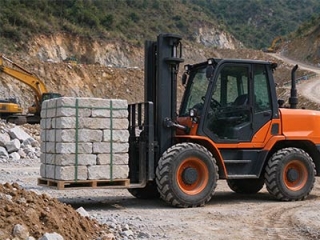 4WD All Terrain Rough Terrain Forklift Climbing for Mountain Sites4WD rough terrain forklift works on unpaved roads. Observe load climbing limit, attachments optional for forest and construction sites.
Do you like ?0
Read more -
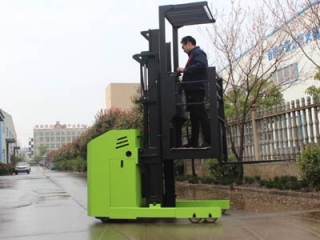 Man-Up Order Picker for High Level Picking, Suitable Warehouse ModesMan-up high level order picker for high-level split picking. Not for full pallet stacking, check rack, aisle and floor before selection.
Do you like ?0
Read more -
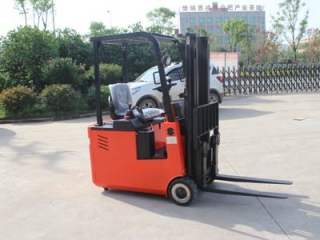 Narrow Aisle Operation Of Three-Wheel Forklift With Compact Turning RadiusThree-point electric forklift features small turning radius for narrow aisles. Reserve safety margin and check floor condition during selection.
Do you like ?0
Read more