
A forklift is a type of mechanical equipment used to move heavy loads, which is widely used in warehouses, logistics centers, and other industrial sites. Due to the frequent use of forklifts and large loads, it is inevitable that various faults and damages will occur, affecting their normal operation and the safety of operators. The following are the common wearing parts of forklifts and related maintenance measures:
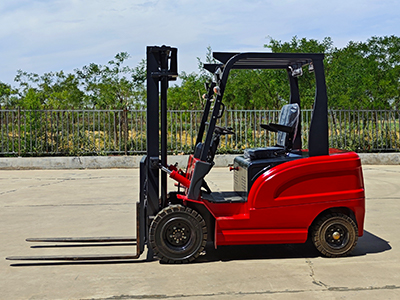
1. Tires
The tires of forklifts are subject to the full weight of the equipment and the pressure of repeated crushing, which is prone to wear and damage. This is especially true when the tire wear rate is higher when uneven ground or heavy loads with sharp edges are carried. Therefore, the condition of the tires should be checked regularly and the worn or damaged tires should be replaced in time to ensure safety and operational efficiency.
2. Braking system
The braking system is an important safety device for forklifts, including brake pads, brake discs and brake hoses. Long-term use causes these components to wear and rust, affecting braking performance and safety. Therefore, the braking system should be inspected regularly, worn or damaged parts should be replaced if necessary, and the brake fluid should be adequate.
3. Battery
The battery of an electric forklift is its power source, which is easily damaged by factors such as overcharging, over-discharge, vibration, and improper maintenance. Check the battery level regularly to avoid overcharging or overdischarging. Pay attention to battery maintenance, keep it clean, avoid violent vibration, and prolong the battery life.
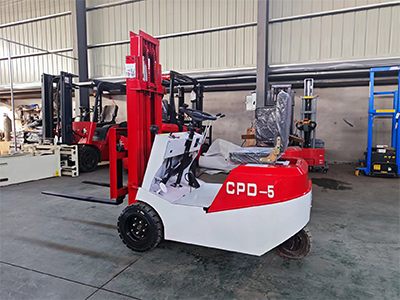
4. Hydraulics
The hydraulic system includes oil tanks, oil pumps, cylinders and other components, which withstand high temperatures, high pressures and frequent operation, and are prone to problems such as oil leakage and seal aging. Regularly inspect the hydraulic system, replace the leaking parts in time, check the oil level and change the hydraulic oil regularly to keep the system clean and working properly.
5. Electrical system
The electrical system of the forklift includes motors, controllers, wires and other components, which are responsible for controlling various functions. Prolonged use and harsh environments can cause aging, short circuits, or damage to electrical components. Inspect the electrical system regularly, replace damaged parts in a timely manner, and maintain good electrical connections to avoid electrical failures.
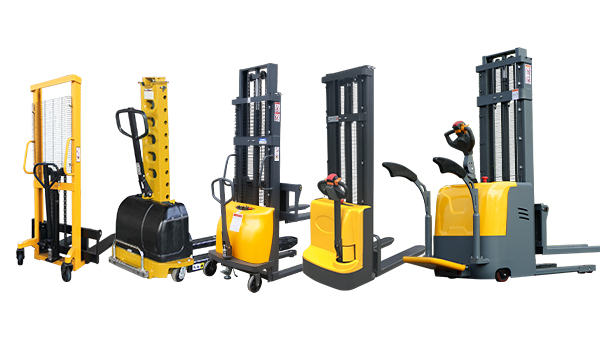
6. Guide chains and sprockets
Guide chains and sprockets located at the forklift lifting device are used to control the lifting and movement of goods. Long-term use may lead to loose chains, sprocket wear, affecting work efficiency and safety. Regularly inspect the chain and sprockets, adjust the chain tightness in time, and replace the worn chain or sprocket.
7. Engine and exhaust system
The engine and exhaust system of a diesel or gasoline forklift are key components in power and emissions control. Regularly check the level of engine oil, coolant, etc., and change the oil and air filter in time. Check the exhaust system for leaks or blockages to maintain good discharge performance.
summary
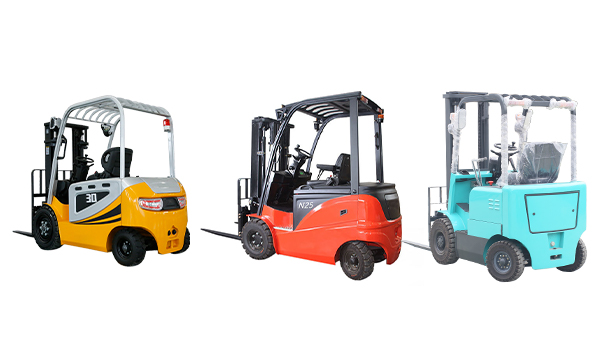
Timely maintenance and replacement of vulnerable parts of forklifts is essential to ensure the normal use of forklifts. Through regular inspection, maintenance and necessary repairs, the occurrence of failures can be minimized, the efficiency and service life of the forklift can be improved, and the safety of operators can be guaranteed. In addition, depending on the different types of forklifts, their wearing parts and maintenance needs may vary, so a maintenance plan needs to be developed on a case-by-case basis to ensure the optimal operation of the forklift.
-
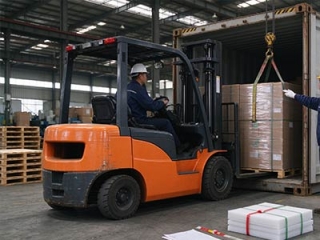 Newnewton Forklift Manufacturer, Forklift CE Certification for ExportNewnewton forklift factory offers full CE certification complying with EN ISO 3691, complete technical documents and OEM service to reduce customs detention risks.
Do you like ?0
Read more -
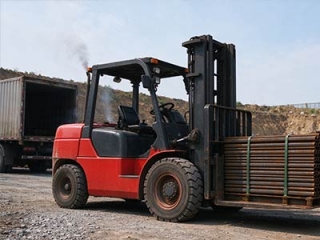 Electric Forklift Vs Diesel Forklift, Warehouse Selection GuideElectric forklift is zero-emission and quiet for indoor clean warehouses. Diesel forklift offers strong power for outdoor heavy-duty tasks.
Do you like ?0
Read more -
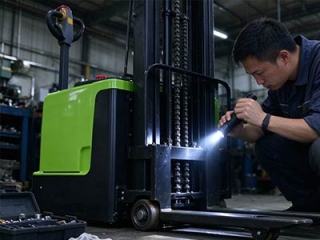 Narrow Aisle Stacker Forklift Custom Manufacturer for WarehouseCustom narrow aisle stacker for non-standard racking. Adjust body, mast and fork specs, upgrade power and protection, site survey available.
Do you like ?0
Read more -
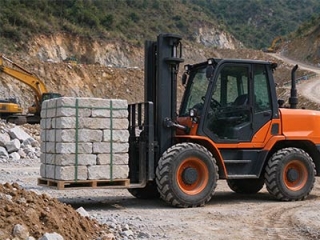 4WD All Terrain Rough Terrain Forklift Climbing for Mountain Sites4WD rough terrain forklift works on unpaved roads. Observe load climbing limit, attachments optional for forest and construction sites.
Do you like ?0
Read more -
 Man-Up Order Picker for High Level Picking, Suitable Warehouse ModesMan-up high level order picker for high-level split picking. Not for full pallet stacking, check rack, aisle and floor before selection.
Do you like ?0
Read more -
 Narrow Aisle Operation Of Three-Wheel Forklift With Compact Turning RadiusThree-point electric forklift features small turning radius for narrow aisles. Reserve safety margin and check floor condition during selection.
Do you like ?0
Read more








