Diesel Forklift Maintenance Schedule 2026 | Complete Preventive Service Checklis
Proper scheduled maintenance extends service life and lowers failure rates of your Diesel Forklift. Regular preventive service can drastically cut repair expenses within 2–5 years, bringing reliable and cost-effective operation. Below is the updated 2026 Diesel Forklift Maintenance Schedule.
Daily Pre-shift Inspection (5–10 mins before each shift, performed by operator)
Walk-around visual check: Frame, overhead guard and forks free of cracks or deformation; tires intact, clear debris wrapped around treads. Fluid level inspection: Diesel fuel, engine oil, coolant, hydraulic oil and brake fluid at proper levels; no oil or water leakage all over the truck. Function test: Start engine; verify lights, horn, reverse alarm and dashboard indicator lamps work normally. Brake & steering test: Service brake and parking brake responsive; steering without jamming. Lift empty forks to confirm smooth lifting & tilting movement, no abnormal noise from mast chains.
Weekly Maintenance (≤50 cumulative working hours)
Clean mast lifting chains, apply grease evenly and adjust chain tension. Lubricate steering pins, wheel axles and control linkages. Blow dust off outer surface of air filter element. Inspect water hoses and hydraulic pipe joints; tighten leaking connections. Clean battery terminals and apply anti-rust grease. Check fan belt tension; inspect exhaust system for air leakage.
New Truck First Service | Break-in Maintenance (Mandatory at 50 cumulative working hours, no delay)
Replace engine oil and oil filter. Inspect and clean sediment inside diesel filter. Check valve clearance and clutch operation condition. Fully retighten key bolts on engine, mast and counterweight. Test hydraulic system pressure and check all sealing points for leakage.
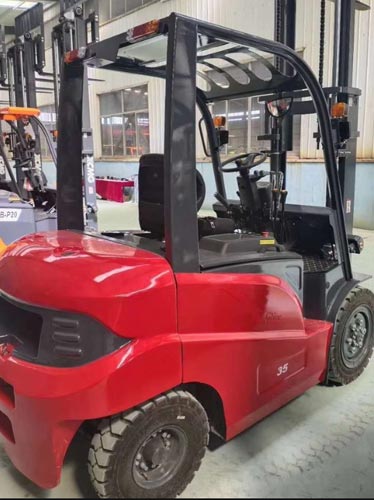
Level I Maintenance (250 working hours OR 3 months, whichever comes first)
Include all weekly inspection items, plus: Replace engine oil and oil filter. Thoroughly clean air filter; replace immediately if damaged. Adjust brake shoe clearance. Inspect radiator and clear surface dust & debris. Check transmission and drive axle for abnormal noise and leakage.
Level II Maintenance (500 working hours OR 6 months, whichever comes first)
Cover all Level I maintenance items, plus: Replace diesel fuel filter. Test coolant quality; replace if deteriorated. Comprehensive inspection of hydraulic pipelines and aged oil seals. Check drive shaft and drive axle gear oil level. Monitor engine idle speed, acceleration performance and exhaust smoke condition.
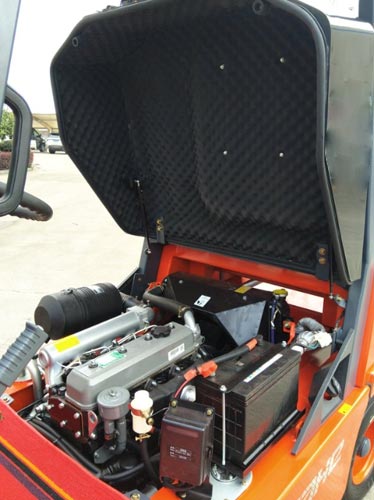
Level III Annual Major Service (1000 working hours OR 12 months, whichever comes first)
Full fluid & filter replacement: engine oil, oil filter, diesel filter, air filter. Replace transmission gear oil and drive axle gear oil. Replace hydraulic oil and hydraulic oil filter. Overhaul brake master & wheel cylinders, renew aged sealing components. Calibrate fuel injectors and adjust valve clearance. Recheck and retighten all bolts; inspect wiring harness for aging. Full undercarriage inspection and anti-rust treatment.
In summary, diesel forklift maintenance requires continuous routine management after purchase. Strictly follow the maintenance timetable to reduce breakdown frequency and minimize long-term service costs.
-
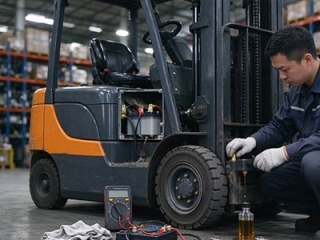 Reliability Of Newnewton Warehouse Forklifts For Heavy-Duty ShiftsWarehouse forklift reliability relies on industrial parts, reinforced frames and factory durability tests. Proper operation and maintenance reduce unexpected downtime.
Do you like ?0
Read more -
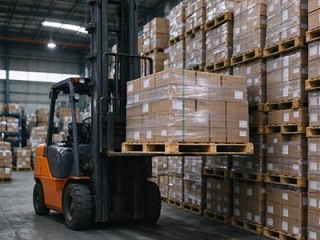 Forklift Configuration Strategy For Dense Warehousing, Warehouse ForkliftDense warehousing needs matched forklifts besides racks. Reach and trilateral stackers fit different layouts, coordinate aisle, load curve and floor for smooth handling.
Do you like ?0
Read more -
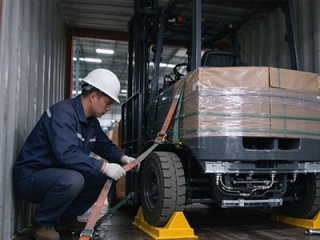 Full Container Supply For Export Forklifts, Forklift ManufacturerBulk forklift orders for overseas can ship by FCL or LCL. Newnewton FCL offers stable freight, safer packing and mixed models for large purchases.
Do you like ?0
Read more -
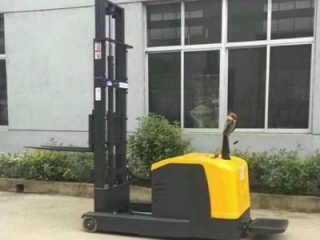 Stand-on Reach Stacker For Narrow Aisle Stacking, Mast Reach StructureStand-on reach stackers feature sliding masts that stay outside racks. They boost storage density in narrow aisles and require flat floors and standard pallets.
Do you like ?0
Read more -
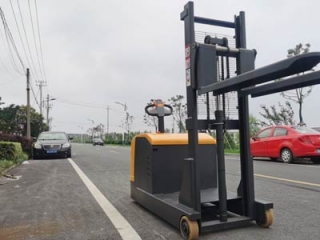 Stand-on Counterbalance Stacker For Various Pallets, Why No Leg RestrictionCounterbalance stackers have no front outriggers, using rear counterweight to avoid pallet interference. They fit various odd pallets yet need wider warehouse aisles.
Do you like ?0
Read more -
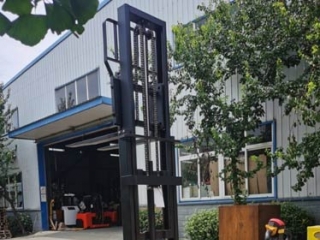 Custom Walk-Behind Counterbalance Stacker | Non-Standard ModificationsStandard walk-behind counterbalance stackers struggle with non-standard pallets and tight aisles. Customize load, lift, forks and structure, share working conditions for safe design.
Do you like ?0
Read more