
3 Conditions to Use Ride-on Double Pallet Stacker in Warehouse
Ordinary ride-on stackers work well for low daily cargo turnover, but they become inefficient during peak seasons and warehouse expansion. Handling only one pallet at a time slows down loading and unloading. Therefore, many warehouse managers choose electric double pallet stacker warehouse equipment to improve overall handling efficiency. A ride-on double pallet stacker can carry two pallets in one trip, greatly accelerating cargo circulation. However, not all warehouses are suitable for this equipment. Check the three key conditions below to confirm the applicable warehouse for ride-on double pallet stacker.
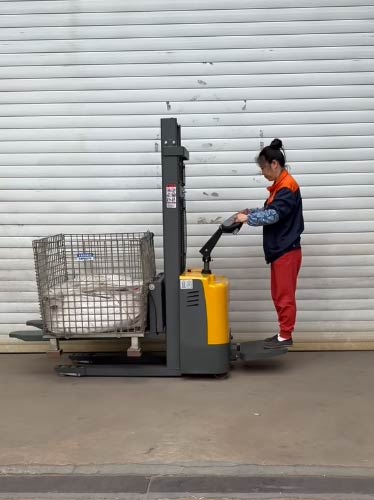
Sufficient aisle width The double pallet stacker has a wider overall body to carry two pallets, requiring larger passing space than conventional stackers. Narrow aisles will cause collision with shelf columns and fail to support normal turning. The main aisle width is recommended to be no less than 3 meters. It is necessary to measure actual aisle width before purchase and compare with equipment parameters to avoid inadaptable installation.
Flat and load-bearing ground Working with double cargo loads, the electric double pallet stacker warehouse equipment puts higher pressure on the floor. Potholes, cracks, sandy or soft ground will cause vehicle shaking during operation, leading to cargo displacement and falling risks. Poor ground conditions also accelerate wheel wear and shorten machine service life during high-frequency stacking.
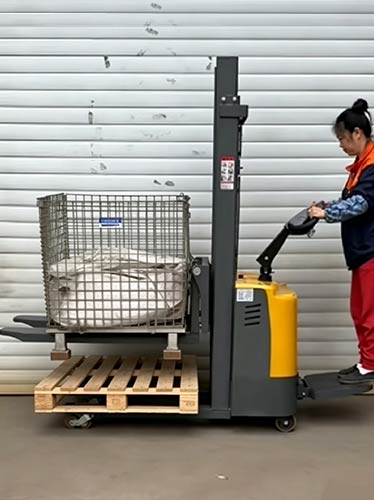
Unified pallet and cargo specifications The ride-on double pallet stacker is designed for standard pallets. Irregular and non-standard pallets will affect fork clamping stability and reduce working efficiency. Unbalanced weight between two pallets causes unstable center of gravity and rollover hazards. Over-height cargo may collide with shelf beams when entering and exiting racking lanes.
In short, the applicable warehouse for ride-on double pallet stacker must meet standard aisle width, qualified floor condition and unified pallet specifications. When all conditions are satisfied, the electric double pallet stacker warehouse equipment can maximize double-pallet handling efficiency and improve warehouse throughput. Check your warehouse conditions one by one and contact us for professional customized selection solutions.
-
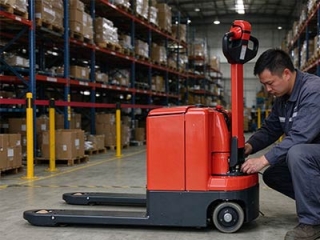 Maintenance Notes for Double Pallet Truck Under Heavy Warehouse LoadsOperators often ignore abnormal motor noise of double pallet trucks during rush orders. Continuous operation burns motors. Timely maintenance prevents failures.
Do you like ?0
Read more -
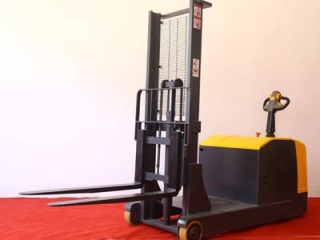 How to Get Accurate Quotations for Stand-on Counterbalance StackerStand-on counterbalance stackers rely on rear weight for stability and cost more. Battery, load, lift height and custom options affect final quotations.
Do you like ?0
Read more -
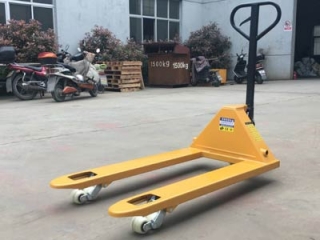 Manual Stacker Vs Pallet Jack: Key Operational Function DifferencesNew buyers confuse manual pallet trucks and manual stackers. They differ in lifting function. Pallet trucks for transfer, stackers for racking to avoid risks.
Do you like ?0
Read more -
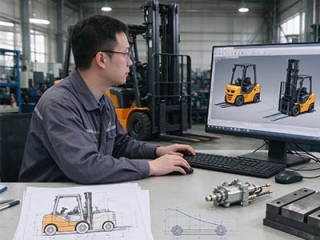 Custom Forklift Dimensions for Export to Fit Narrow Warehouse AislesForklift export faces size risks. Overseas orders may fail door, container or aisle fit. Customization needs balance of gravity, load and target market certifications.
Do you like ?0
Read more -
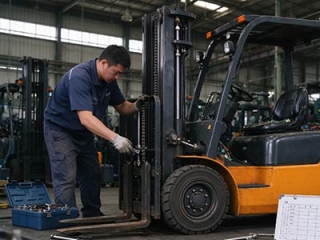 Forklift Safety Management Guide Based on Special Equipment SpecificationsForklifts are special equipment. Follow TSG 81 with training, records, inspection and on-site control to prevent accidents and penalties.
Do you like ?0
Read more -
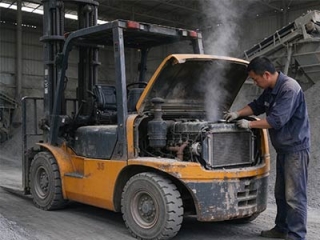 Heavy-Duty Diesel Forklift High Temperature Troubleshooting Guide3.5t diesel forklifts often overheat when handling sand and stone. Inspect cooling system step by step: radiator, belt, shroud, thermostat and water pump.
Do you like ?0
Read more








