
How to use instruments to detect faults in electric forklift?
Instrument detection method is a method of using instruments and meters to diagnose faults in electric forklift. These instruments and meters are used to measure parameters without dismantling hydraulic equipment and compare them with normal values to determine if there is a malfunction. Generally speaking, using instruments and meters for detection is more accurate and effective. At present, there are certain performance requirements for hydraulic system inspection instruments both domestically and internationally, such as being able to measure liquid flow rate, pressure, temperature, pump or motor speed, etc; Be able to adjust the system pressure quickly and accurately, keeping the system temperature within ± 3 ℃ after initial and final testing to ensure the accuracy of the measured parameters; Lightweight structure, reliable operation, low price, and simple operation, suitable for construction sites, repair shops, and other places. Below, electric forklift manufacturer will introduce several common tools to you.

The first tool to be introduced for detecting faults in electric forklift is the American SP3600 hydraulic system tester. The instrument consists of a converter and an instrument box. The converter consists of a turbine flowmeter, a thermal resistor, a pressure gauge connector, and a throttle loading valve controlled by a servo motor; There are pressure gauges, temperature gauges, tachometers, and flow meters on the panel of the instrument box. A high-pressure hose and a cable are used to connect the converter and instrument box. High pressure hoses transmit oil pressure signals to measure system pressure. The cable transmits thermal electrical signals and flow meter electrical signals to measure liquid flow temperature and flow rate. This detector can also detect the leakage of various circuits in the hydraulic system, determine whether the pump, cylinder, and valve are faulty, and further measure the flow, pressure, and speed of individual pumps, cylinders (motors). The second thing to introduce is that the HICLAS-A hydraulic pump fault early diagnosis device developed by Japan Construction Machinery Co., Ltd. is a suitcase type. Compact structure, light weight, and easy to carry. The oil pump can be directly tested on hydraulic equipment. Electric forklift manufacturer tells everyone that during testing, they compare the measured vibration waveform with the normal waveform, diagnose the wear level of the oil pump, and calculate the residual life of a certain part (such as the sliding shoe of the plunger pump).
The third thing to introduce is the PFM universal hydraulic fault detector. This instrument can directly detect each hydraulic component on the hydraulic equipment of an electric forklift. It also has the advantages of small size and convenient carrying. During testing, adjust the system pressure to the specified working pressure of the tested component by turning the adjustment handle, and then connect the tested component to obtain the status parameters of the tested component compared to normal values. Diagnose the flow rate, temperature, and speed, and diagnose whether a malfunction has occurred. The fourth common detection method is computer diagnosis. The development of computer technology has enabled the implementation of artificial intelligence expert consultation systems. It can make systematic logical judgments and inferences based on pre arranged programs, simulating the thinking process of human experts. Electric forklift manufacturer tells everyone that the key is still to rely on the extensive experience accumulated by people in daily work combined with computer judgment to obtain correct judgments.
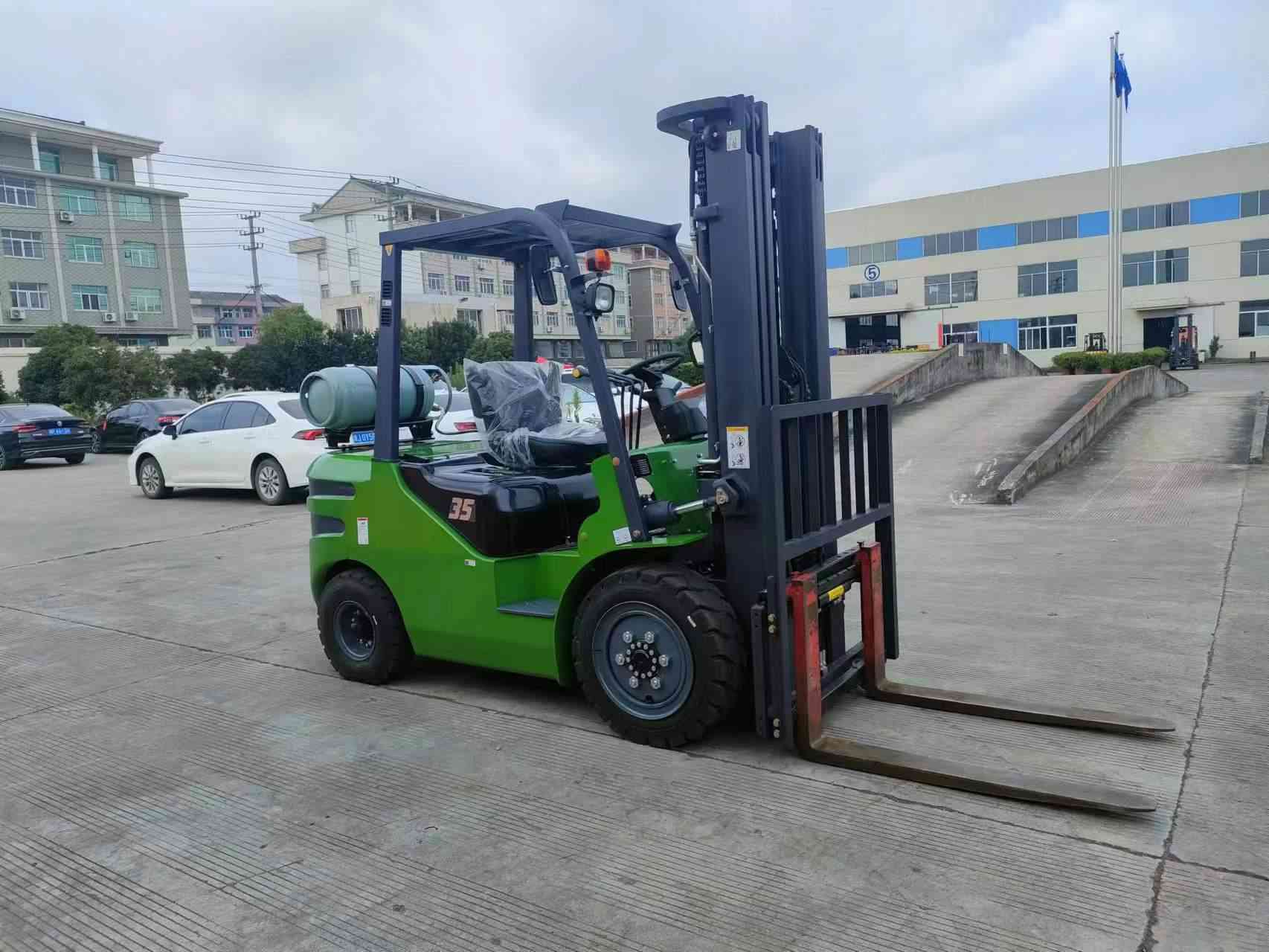
In addition, for certain components such as pumps, motors, cylinders, and other main components in the hydraulic system of electric forklift, oil samples should also be taken according to regulations for spectral or ferrographic analysis. The electric forklift manufacturer tells everyone that this is to ensure the degree of wear and tear of these components, in order to detect, repair, and update them in a timely manner, and to avoid causing major problems.
-
 Heavy-Duty Diesel Forklift High Temperature Troubleshooting Guide3.5t diesel forklifts often overheat when handling sand and stone. Inspect cooling system step by step: radiator, belt, shroud, thermostat and water pump.
Do you like ?0
Read more -
 How to Choose Stackers for High-Level Access in Raw Material WarehouseRide-on reach stackers save aisle space for high racks. Good visibility for bulk raw materials. Select based on load curve and residual high-lift capacity.
Do you like ?0
Read more -
 Rain Operation Rules for Legless Walk-Behind Counterbalance StackerLegless walkie counterbalance stackers are not waterproof. Only short-time use in light rain. Stop operation in heavy rain and follow safety rules on wet floors.
Do you like ?0
Read more -
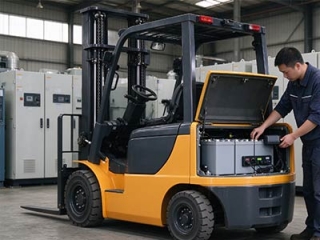 Avoid Hidden Costs When Buying Four-Wheel Electric Counterbalance ForkliftDo not compare only prices for four-wheel electric forklifts. Confirm load, lift, battery and warranty in quotes to avoid downgraded parts and extra charges.
Do you like ?0
Read more -
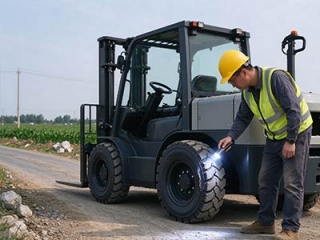 Tire Wear Inspection Methods for Rough-Terrain Walk Pallet TruckOff-road walkie pallet trucks face frequent tyre wear. Check tread pattern, sidewall damage and uneven wear to prevent skidding and blowouts.
Do you like ?0
Read more -
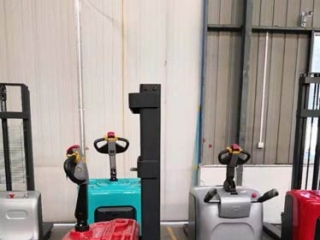 Full Electric Stacker With Foot Platform | Aisle Selection GuideWarehouse planning often overlooks turning radius. Stand-on stackers need extra aisle space. Insufficient clearance causes poor turning and reduces storage efficiency.
Do you like ?0
Read more








