Lithium‑ion VS Lead‑Acid Battery For Electric Warehouse Forklift
Electric warehouse forklifts gain wide‑spread application, yet many purchasers cannot tell the differences between lithium‑ion and lead‑acid batteries, which leads to improper selection, insufficient runtime, schedule delays and low working efficiency. This article explains how to choose battery for electric warehouse forklift for your easier decision‑making.
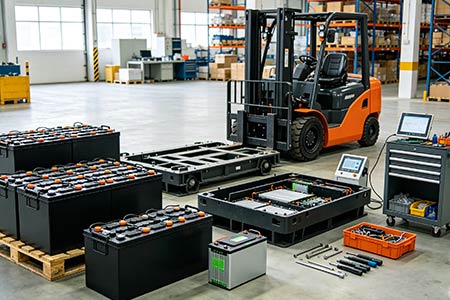
Lithium‑ion battery requires higher upfront investment, supports fast charging and intermittent top‑up without long‑time downtime. It is maintenance‑free for water refilling and delivers far more charge‑discharge cycles. Compact and lightweight, it suits two‑shift or high‑frequency‑operation warehouses. Special low‑temperature lithium‑ion variant is required for cold‑storage environment; standard lithium‑ion suffers obvious runtime loss under low temperature.
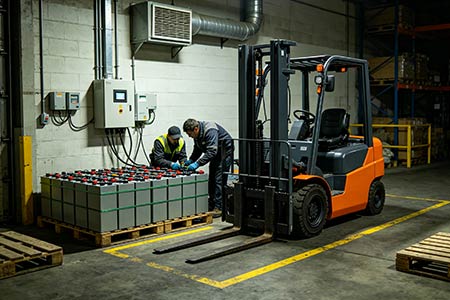
Working conditions suitable for lead‑acid battery. Single‑shift warehouse operation with daily working hour within 4‑6 hours, limited budget, independent charging room available for sufficient overnight charging.
The factory has full‑time maintenance staff for regular water refilling and inspection. Intermittent usage without long‑time heavy‑duty operation makes lead‑acid battery a cost‑effective solution.
Scenarios more suitable for lithium‑ion battery. Two‑shift or three‑shift non‑stop operation with high equipment turnover. Quick top‑up during lunch break or material‑waiting interval is expected, no need for multiple battery packs for rotation.
No dedicated charging room in workshop, and you want to avoid daily work such as water adding and electrolyte testing for low‑maintenance demand. Cold‑storage application or multi‑forklift intensive site to cut labor work for battery swapping.
Lithium‑ion battery is preferred for export units, as its supporting documents meet overseas CE requirements more easily.
Hidden costs you should notice. Although lead‑acid battery enjoys low purchase price, whole‑pack replacement is mostly needed within 2‑3 years. You also need to count cost of distilled water, maintenance labor and ventilation reconstruction for charging room. Waste battery disposal shall follow formal regulations.
Lithium‑ion battery has high upfront cost but plenty of cycles, with normal service life reaching 5‑8 years. Pay attention to quality of built‑in BMS battery management system. Adopt original battery with over‑charge and over‑discharge protection, since poor‑quality lithium‑ion cells bring safety hazards.
In conclusion, pick proper battery type matching your real‑site warehouse conditions to improve overall operation efficiency of lithium‑ion vs lead‑acid battery for electric warehouse forklift.
-
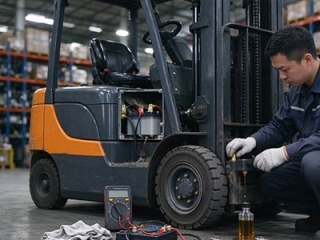 Reliability Of Newnewton Warehouse Forklifts For Heavy-Duty ShiftsWarehouse forklift reliability relies on industrial parts, reinforced frames and factory durability tests. Proper operation and maintenance reduce unexpected downtime.
Do you like ?0
Read more -
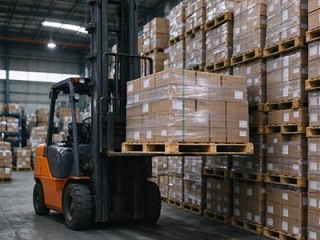 Forklift Configuration Strategy For Dense Warehousing, Warehouse ForkliftDense warehousing needs matched forklifts besides racks. Reach and trilateral stackers fit different layouts, coordinate aisle, load curve and floor for smooth handling.
Do you like ?0
Read more -
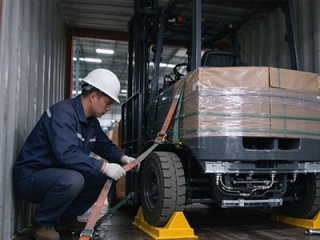 Full Container Supply For Export Forklifts, Forklift ManufacturerBulk forklift orders for overseas can ship by FCL or LCL. Newnewton FCL offers stable freight, safer packing and mixed models for large purchases.
Do you like ?0
Read more -
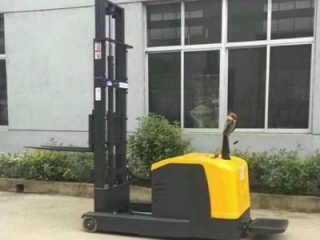 Stand-on Reach Stacker For Narrow Aisle Stacking, Mast Reach StructureStand-on reach stackers feature sliding masts that stay outside racks. They boost storage density in narrow aisles and require flat floors and standard pallets.
Do you like ?0
Read more -
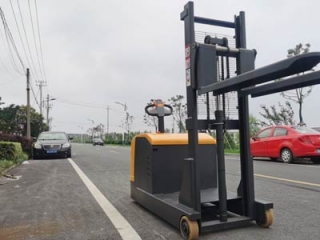 Stand-on Counterbalance Stacker For Various Pallets, Why No Leg RestrictionCounterbalance stackers have no front outriggers, using rear counterweight to avoid pallet interference. They fit various odd pallets yet need wider warehouse aisles.
Do you like ?0
Read more -
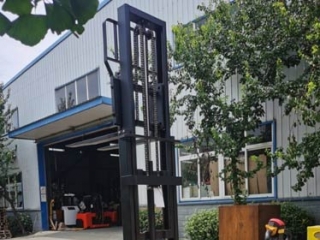 Custom Walk-Behind Counterbalance Stacker | Non-Standard ModificationsStandard walk-behind counterbalance stackers struggle with non-standard pallets and tight aisles. Customize load, lift, forks and structure, share working conditions for safe design.
Do you like ?0
Read more