
How Much Does an Electric Scissor Lift Cost? Avoid Low‑Quote Pitfalls
For factory maintenance, warehouse upkeep and equipment installation, the scissor‑type aerial work platform is widely‑adopted aerial‑access equipment. Buyers often encounter huge price gaps, even for seemingly identical models, with differences reaching thousands of US dollars. This article explains how much is an electric scissor lift and critical purchasing notes.
Distributor retail prices mark‑up factory costs by 15‑25 %. Freight, insurance and special‑equipment inspection fees are charged separately.
Factory reference price, excluding freight & export charges:
Push‑around non‑self‑propelled (6 m lifting height): $4118‑$6176
Indoor full‑self‑propelled electric scissor lift 6 m: $7059‑$9559
Indoor full‑self‑propelled electric scissor lift 8 m: $9118‑$12647
Indoor full‑self‑propelled electric scissor lift 10 m: $12500‑$16176
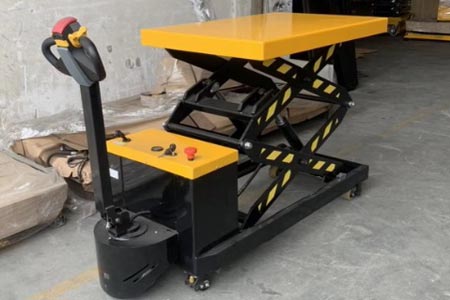
Lithium‑ion upgraded version: For equal lifting height, add $882‑$1765 compared with lead‑acid models; maintenance‑free, suitable for two‑shift continuous‑cycle work.
Units falling within these price ranges are generally reasonable. Even for products in normal price bands, inspect overall build quality carefully to steer clear of pitfalls such as thin‑gauge steel, missing safety features and falsified parameters.
Five major factors driving price differences:
Lifting height and steel material for scissor arms Higher lifting height requires more scissor sections and stronger profile strength. Low‑cost products use thin ordinary steel tubes. Qualified machines adopt Q345B high‑strength manganese‑steel rectangular tubing with sufficient wall thickness for better anti‑fatigue performance and resistance to deformation under load. This cost difference cannot be easily identified visually. Every extra 2 m of lifting height pushes machine price up by 10‑20 %.
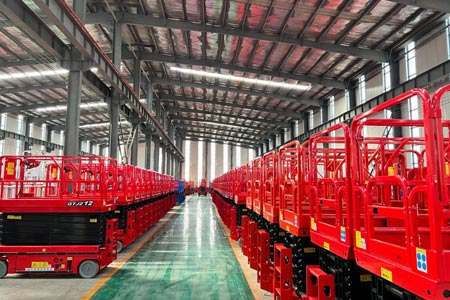
Driving mode: push‑around vs full‑self‑propelled Push‑around units require manual pushing, lower‑priced, ideal for fixed‑location applications with minimal relocation. Full‑self‑propelled units can travel while elevated, fitted with drive motors and wheel‑reduction assemblies, bringing substantially higher machine cost. They are the mainstream option for large‑area factory inspection and maintenance.
Core hydraulic and electric components Genuine machines adopt brand‑name hydraulic power packs, explosion‑proof hoses and imported sealing parts, paired with top‑tier domestic electrical components. Cheap low‑end units fit generic power packs, refurbished cylinders and poor‑quality seals. They may work initially, but will suffer shaking, oil leakage and jerky lifting after 3‑6 months of service.
Complete safety configuration: major hidden risk in low‑price offers Compliant machines are standard‑equipped with emergency‑stop button, travel‑lift limit switches, hose burst‑protection valves, safety support struts, tilt alarm and overload protection. Many budget‑priced models simply remove overload protection, tilt alarms and burst‑proof valves to cut quotations. Without these safeguards for aerial‑work tasks, hose rupture may cause sudden platform dropping and severe safety hazards.
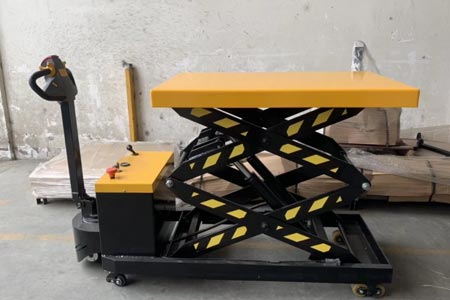
Battery type and non‑standard customization Lead‑acid batteries feature lower procurement cost yet need regular water topping‑up. Lithium iron phosphate batteries are maintenance‑free with longer cycle‑life for high‑frequency duty. Extra costs also apply for widened platforms, higher load capacity, explosion‑proof modification and export CE certification.
Safety comes first for aerial‑work equipment; do not chase low‑priced options blindly. Share your required working height, rated load and operating environment (indoor / outdoor), and we will provide tailored machine proposals as well as scissor‑type aerial work platform quotation references.
-
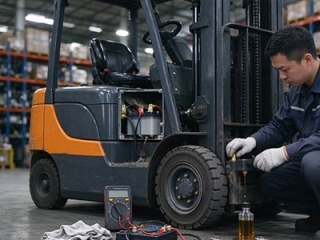 Reliability Of Newnewton Warehouse Forklifts For Heavy-Duty ShiftsWarehouse forklift reliability relies on industrial parts, reinforced frames and factory durability tests. Proper operation and maintenance reduce unexpected downtime.
Do you like ?0
Read more -
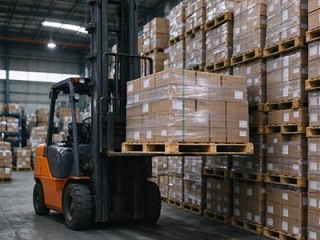 Forklift Configuration Strategy For Dense Warehousing, Warehouse ForkliftDense warehousing needs matched forklifts besides racks. Reach and trilateral stackers fit different layouts, coordinate aisle, load curve and floor for smooth handling.
Do you like ?0
Read more -
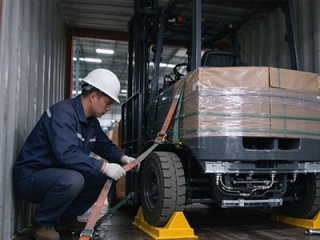 Full Container Supply For Export Forklifts, Forklift ManufacturerBulk forklift orders for overseas can ship by FCL or LCL. Newnewton FCL offers stable freight, safer packing and mixed models for large purchases.
Do you like ?0
Read more -
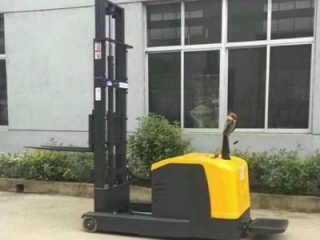 Stand-on Reach Stacker For Narrow Aisle Stacking, Mast Reach StructureStand-on reach stackers feature sliding masts that stay outside racks. They boost storage density in narrow aisles and require flat floors and standard pallets.
Do you like ?0
Read more -
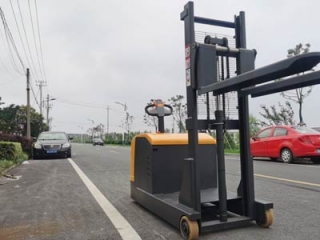 Stand-on Counterbalance Stacker For Various Pallets, Why No Leg RestrictionCounterbalance stackers have no front outriggers, using rear counterweight to avoid pallet interference. They fit various odd pallets yet need wider warehouse aisles.
Do you like ?0
Read more -
 Custom Walk-Behind Counterbalance Stacker | Non-Standard ModificationsStandard walk-behind counterbalance stackers struggle with non-standard pallets and tight aisles. Customize load, lift, forks and structure, share working conditions for safe design.
Do you like ?0
Read more








