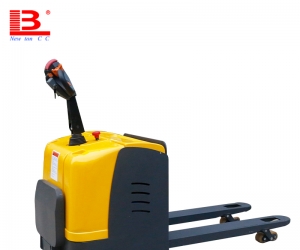
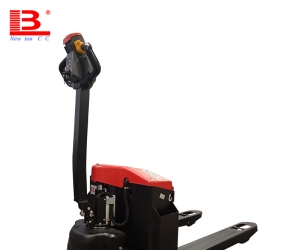
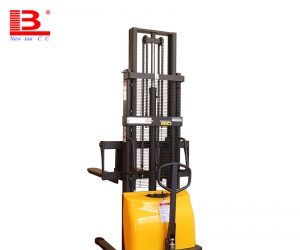
Many new buyers confuse the functions of electric stackers and electric pallet trucks. There are clear electric stacker vs electric pallet truck differences in core structure, functions and applicable working conditions. This multi‑dimension comparison helps enterprises make accurate equipment selection.
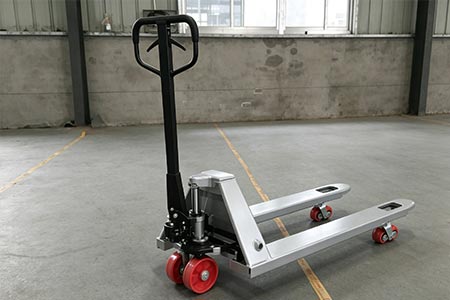
Core Structure Electric pallet truck Main components: chassis, forks and travel drive system, without lifting mast. Lifting height: Only low‑level lift of 180‑220 mm, merely lifting pallets off the ground for horizontal transportation. Primary function: Horizontal cargo transportation, moving pallets between warehouse, truck and loading dock, for horizontal transfer only without stacking.
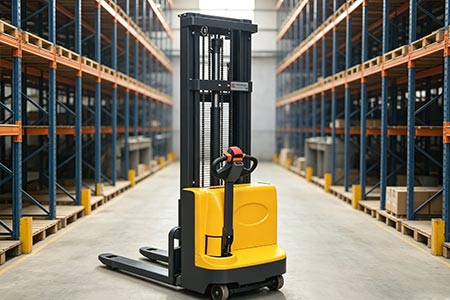
Electric stacker Main components: Equipped with vertical lifting mast and lifting hydraulic system; some models come with reach mechanism. Lifting height: Regular lifting range 3‑6 meters, high‑end versions can reach 8 meters. Primary function: Cargo stacking and high‑level access. It lifts pallets to multi‑level rack positions for loading and unloading.
Key Parameter Comparison Lifting capacity Electric pallet truck: Only ground‑level lifting, cannot stack goods on racks. Electric stacker: High‑altitude stacking for multi‑rack warehouse operations and improved warehouse space utilization.
Working aisle Electric pallet truck: Small aisle requirement, minimum aisle width 2.0‑2.4 m. Electric stacker: Larger working aisle required due to mast structure. Reach‑type and counterbalance models have different aisle requirements.
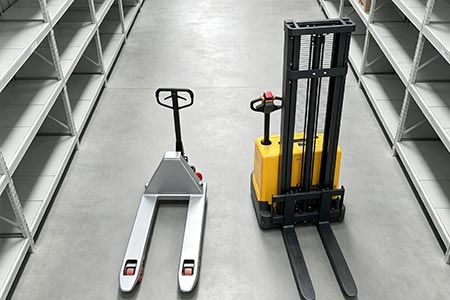
Load capacity Electric pallet truck: Main 1.5 ton and 2 ton models. Electric stacker: Covers 1‑2 ton. Payload capacity decreases as lifting height increases.
Applicable Working Scenarios Electric pallet truck For horizontal transfer only, no high rack stacking required; Loading and unloading at logistics docks, short‑distance transportation in courier and fresh‑food warehouses; Narrow‑aisle sites focusing on short‑distance pallet shuttle; Limited budget, mainly to replace labor‑intensive manual pallet jack work.
Electric stacker Warehouses with multi‑level racks for high‑position cargo stacking; Need to take full advantage of vertical space to increase storage locations; High‑level storage and retrieval of goods; Integrated handling for raw material feeding and finished‑goods warehousing inside factories.
After learning about electric stacker vs electric pallet truck differences, you can get clearer ideas for your forklift purchase. Provide your warehouse aisle width, rack configuration and daily load requirements, and we will customize suitable material‑handling solutions for you.
-
 Reliability Of Newnewton Warehouse Forklifts For Heavy-Duty ShiftsWarehouse forklift reliability relies on industrial parts, reinforced frames and factory durability tests. Proper operation and maintenance reduce unexpected downtime.
Do you like ?0
Read more -
 Forklift Configuration Strategy For Dense Warehousing, Warehouse ForkliftDense warehousing needs matched forklifts besides racks. Reach and trilateral stackers fit different layouts, coordinate aisle, load curve and floor for smooth handling.
Do you like ?0
Read more -
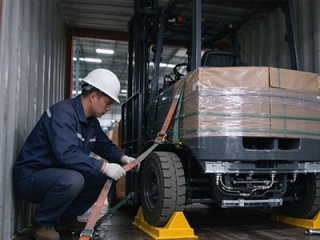 Full Container Supply For Export Forklifts, Forklift ManufacturerBulk forklift orders for overseas can ship by FCL or LCL. Newnewton FCL offers stable freight, safer packing and mixed models for large purchases.
Do you like ?0
Read more -
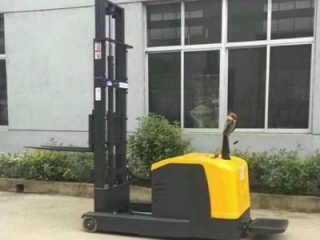 Stand-on Reach Stacker For Narrow Aisle Stacking, Mast Reach StructureStand-on reach stackers feature sliding masts that stay outside racks. They boost storage density in narrow aisles and require flat floors and standard pallets.
Do you like ?0
Read more -
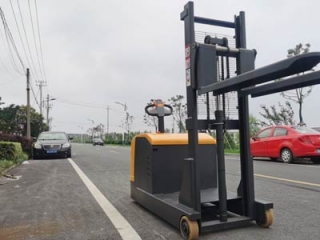 Stand-on Counterbalance Stacker For Various Pallets, Why No Leg RestrictionCounterbalance stackers have no front outriggers, using rear counterweight to avoid pallet interference. They fit various odd pallets yet need wider warehouse aisles.
Do you like ?0
Read more -
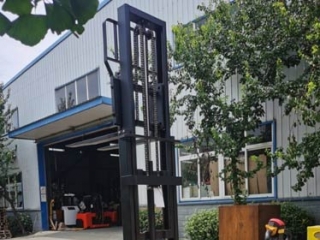 Custom Walk-Behind Counterbalance Stacker | Non-Standard ModificationsStandard walk-behind counterbalance stackers struggle with non-standard pallets and tight aisles. Customize load, lift, forks and structure, share working conditions for safe design.
Do you like ?0
Read more