
Common Hydraulic Faults & Troubleshooting for Manual Pallet Jack
The manual hydraulic pallet jack is widely used inside small‑size warehouses. Frequent operation may trigger various malfunctions, and weak lifting performance ranks among the most frequent complaints. This guide sorts out typical hydraulic failures of the portable pallet jack, including root causes and practical troubleshooting tips.
Weak or slow lifting capacity Symptoms: Forks rise slowly after pumping the handle. Fully‑loaded goods cannot reach maximum height; forks barely lift under no‑load condition and fail to rise under loaded weight. Main causes: Insufficient hydraulic fluid caused by long‑term minor leakage; excessive impurities and aged oil blocking internal check valves and preventing pressure build‑up; worn and aged piston seals resulting in internal pressure loss.
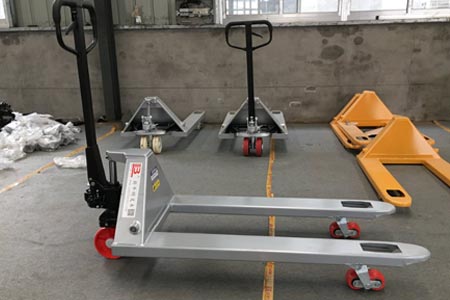
Solutions: Refill with matched hydraulic oil. Perform full oil replacement if fluid turns turbid. Directly install new seal kits when sealing components get damaged.
Forks sink automatically under load Symptoms: Lifted forks slowly descend after holding cargo for a period of time. This fault is mostly triggered by poorly‑sealed check valves, debris stuck inside valve spools or internal leakage from aged cylinder oil seals. Solutions: Disassemble and clear dirt from check valves. Replace valve assemblies and oil seals if cleaning brings no improvement. Many users choose to purchase a brand‑new portable pallet jack, while most failures can be fixed merely by changing seal kits to cut operating costs.
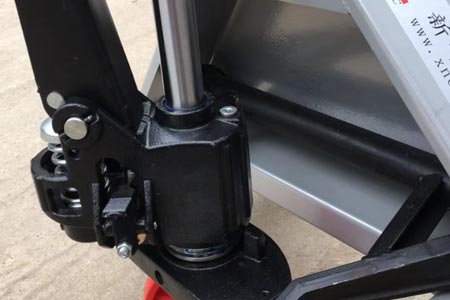
Forks cannot descend, release lever stops working Symptoms: Forks stay raised even when you pull the release handle. Common triggers: Misaligned release lever linkage, deformed internal ejector pin, or valve spool jammed by foreign particles. Troubleshooting: Readjust handle linkage position. Disassemble and clean valve body. Never strike valve body violently, or permanent component damage will occur.
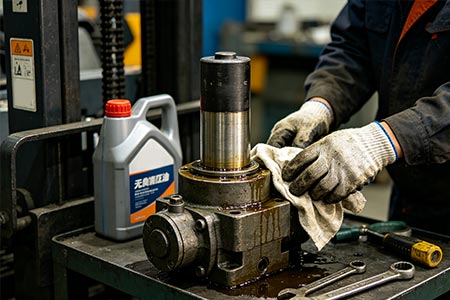
External hydraulic oil leakage Leaks mostly appear at piston top, cylinder bottom and valve joint surfaces. Long‑term overload, sunlight exposure and rain will accelerate hardening and cracking of rubber seals.
Tip: Never mix different types of hydraulic oil. Incompatible fluid will corrode sealing parts and cause repeated leakage failures.
Above are frequent faults for the manual hydraulic pallet jack. Proper diagnosis and basic maintenance help avoid project downtime and high repair expenses.
-
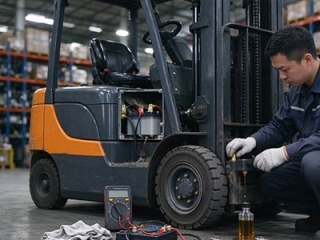 Reliability Of Newnewton Warehouse Forklifts For Heavy-Duty ShiftsWarehouse forklift reliability relies on industrial parts, reinforced frames and factory durability tests. Proper operation and maintenance reduce unexpected downtime.
Do you like ?0
Read more -
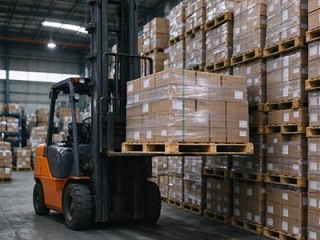 Forklift Configuration Strategy For Dense Warehousing, Warehouse ForkliftDense warehousing needs matched forklifts besides racks. Reach and trilateral stackers fit different layouts, coordinate aisle, load curve and floor for smooth handling.
Do you like ?0
Read more -
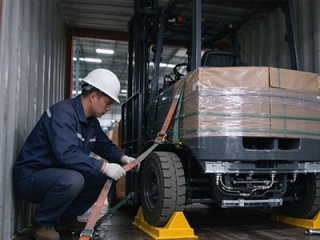 Full Container Supply For Export Forklifts, Forklift ManufacturerBulk forklift orders for overseas can ship by FCL or LCL. Newnewton FCL offers stable freight, safer packing and mixed models for large purchases.
Do you like ?0
Read more -
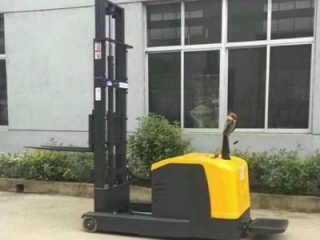 Stand-on Reach Stacker For Narrow Aisle Stacking, Mast Reach StructureStand-on reach stackers feature sliding masts that stay outside racks. They boost storage density in narrow aisles and require flat floors and standard pallets.
Do you like ?0
Read more -
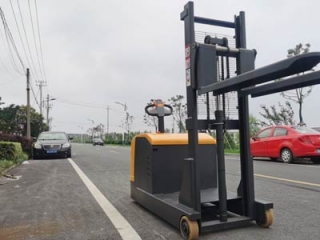 Stand-on Counterbalance Stacker For Various Pallets, Why No Leg RestrictionCounterbalance stackers have no front outriggers, using rear counterweight to avoid pallet interference. They fit various odd pallets yet need wider warehouse aisles.
Do you like ?0
Read more -
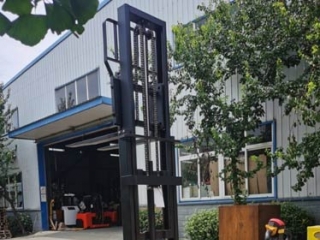 Custom Walk-Behind Counterbalance Stacker | Non-Standard ModificationsStandard walk-behind counterbalance stackers struggle with non-standard pallets and tight aisles. Customize load, lift, forks and structure, share working conditions for safe design.
Do you like ?0
Read more








