Electronic Scale Forklifts: A Practical Guide to Solving Common Problems
Electronic scale forklift is a common forklift in modern life, which has the advantages of improving work efficiency, convenient operation and use, and flexibility, bringing many economic benefits to enterprises, and is widely used in warehouses, shopping malls, supermarkets and other places. However, when using electronic scale forklifts, we will inevitably encounter some problems, such as display errors, inaccurate measurements, etc. Next, we introduce how to solve the various problems of electronic scale forklifts and ensure their normal operation.
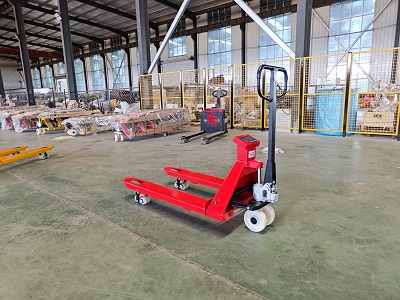
First of all, to solve the problem of electronic scale forklifts, we need to determine the specific manifestation of the problem. Electronic scale forklifts may encounter a variety of problems, including but not limited to the following:
1. Display error: The value displayed by the scale forklift is inconsistent with the actual weight. This can be due to sensor failure or error.
2. Inaccurate measurement: The measurement results of the electronic scale forklift are quite different from other equipment or standard weighing values. This can be caused by an aging sensor, a low battery, or an unbalanced platform.
3. Abnormal function: Other functions of the scale forklift fail, such as limited weighing range or reduced sensitivity of the skin surface.
To solve the above problems, the following is a specific introduction to the solution:
1. Display error problem: You can try to restart the scale forklift and check the instruction manual for special solutions. At the same time, check whether the connecting wire is loose or damaged, and repair or replace it in time.
2. Inaccurate measurement: You can try to calibrate the scale forklift. The specific calibration method may vary depending on the model, please consult the instruction manual or contact the manufacturer for guidance. Typically, calibrating a scale forklift requires the use of a standard mass object as a reference, such as a standard weight or an item of known accurate weight.
In addition, timely battery replacement and platform balance can also help improve metering accuracy.
3. Abnormal function: It is recommended to contact the after-sales service center of the electronic scale forklift or the manufacturer's customer service for professional help. They are able to provide a more accurate solution or schedule repairs.
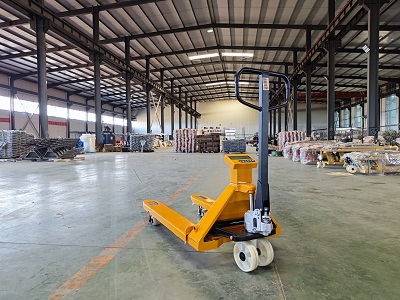
In the process of solving the problem of electronic scale forklifts, the following points need to be noted:
1. Clean the scale forklift regularly: avoid dust or debris from entering the interior and affecting the normal operation. Use a clean rag or soft brush for cleaning, and never use detergents that contain chemical ingredients.
2. Proper use: Follow the instruction manual and avoid overuse or overload to avoid damage to the device.
3. Regular maintenance and upkeep: Depending on the frequency of use and environmental conditions, regular maintenance and upkeep is necessary. You can contact the after-sales service center or the manufacturer for more maintenance information and advice.
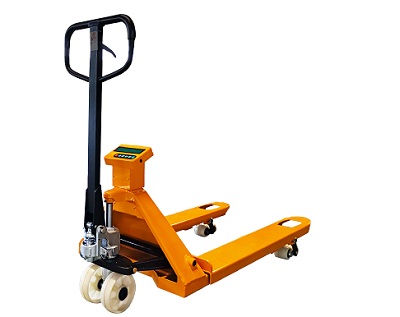
Electronic scale forklifts may encounter various problems during use, but most of them can be solved with correct operation and timely maintenance. If the problem persists or cannot be resolved, it is recommended to contact a professional for repair or replacement of the device. Keeping your scale forklift in working order is essential for accurate weighing and convenience in life.
-
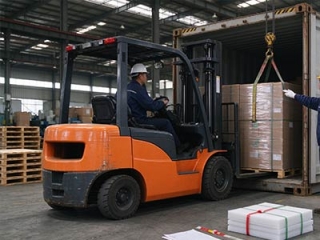 Newnewton Forklift Manufacturer, Forklift CE Certification for ExportNewnewton forklift factory offers full CE certification complying with EN ISO 3691, complete technical documents and OEM service to reduce customs detention risks.
Do you like ?0
Read more -
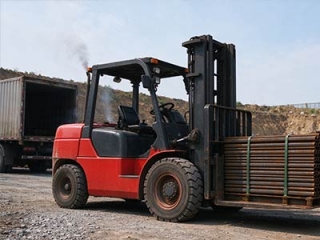 Electric Forklift Vs Diesel Forklift, Warehouse Selection GuideElectric forklift is zero-emission and quiet for indoor clean warehouses. Diesel forklift offers strong power for outdoor heavy-duty tasks.
Do you like ?0
Read more -
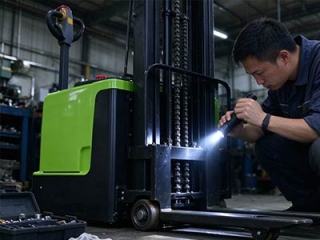 Narrow Aisle Stacker Forklift Custom Manufacturer for WarehouseCustom narrow aisle stacker for non-standard racking. Adjust body, mast and fork specs, upgrade power and protection, site survey available.
Do you like ?0
Read more -
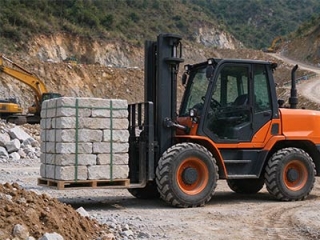 4WD All Terrain Rough Terrain Forklift Climbing for Mountain Sites4WD rough terrain forklift works on unpaved roads. Observe load climbing limit, attachments optional for forest and construction sites.
Do you like ?0
Read more -
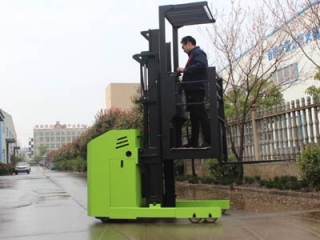 Man-Up Order Picker for High Level Picking, Suitable Warehouse ModesMan-up high level order picker for high-level split picking. Not for full pallet stacking, check rack, aisle and floor before selection.
Do you like ?0
Read more -
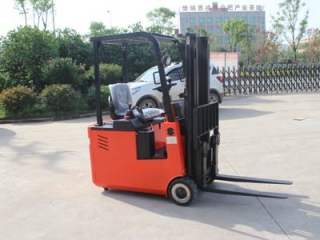 Narrow Aisle Operation Of Three-Wheel Forklift With Compact Turning RadiusThree-point electric forklift features small turning radius for narrow aisles. Reserve safety margin and check floor condition during selection.
Do you like ?0
Read more