In which environment is the use of electric forklifts more rusty?
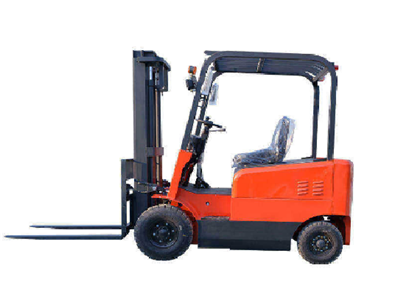
Electric forklifts are an indispensable production tool in most forklift warehouses, and of course the tools are also worn out. Among them, corrosion is the key to electric consumption. Now let's analyze the main reasons for the corrosion and rust of electric forklifts.
The corrosion of electric forklifts is not only related to the environment, but also related to the structure of the electric forklift.
Electric forklifts are used in the port and chemical industry. Due to the combined effects of subtropical, humid tropical, marine climate, industrial waste gas and dust, the parts of forklifts are corroded and damaged, and the forklifts are more corrosive; and small stackers are mostly used in warehouses, etc. Indoor places, the environment changes little, and the corrosion caused by environmental factors is relatively light to the car.
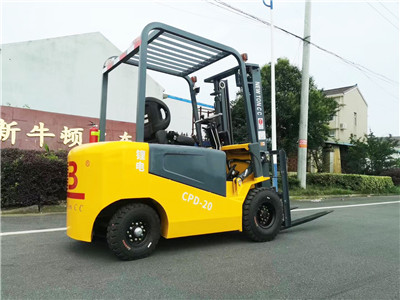
The corrosive environment generated inside the electric forklift, such as the high temperature generated by the engine and the combustion exhaust gas containing sulfur and chloride ions, the acid mist and liquid leakage generated by the battery of the electric forklift, the stress caused by the vibration and impact of the electric forklift during work, the stress of the electric forklift Partial damage caused by friction and collision is also the main cause of corrosion damage to electric forklift parts.
The main mechanism of metal corrosion is the conversion of the original metal into metal oxides, causing the structural parts or components to rust, damage, or even fail to be repaired. The aging of non-metallic materials such as paint, rubber, and glass fiber reinforced plastic is mainly caused by physical and chemical changes such as cracking, degradation, and dissolution of the polymer structure of the material after the comprehensive effect of the environment, which leads to the decline of the appearance and performance of the three-wheel full-action forklift. It can be seen that the design structure, applied materials, technology and protective measures of the electric forklift determine the corrosion resistance of the electric forklift.
-
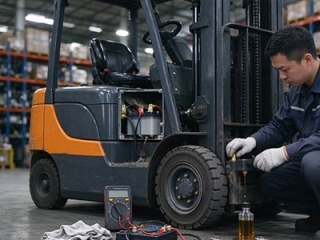 Reliability Of Newnewton Warehouse Forklifts For Heavy-Duty ShiftsWarehouse forklift reliability relies on industrial parts, reinforced frames and factory durability tests. Proper operation and maintenance reduce unexpected downtime.
Do you like ?0
Read more -
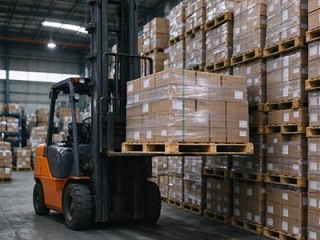 Forklift Configuration Strategy For Dense Warehousing, Warehouse ForkliftDense warehousing needs matched forklifts besides racks. Reach and trilateral stackers fit different layouts, coordinate aisle, load curve and floor for smooth handling.
Do you like ?0
Read more -
 Full Container Supply For Export Forklifts, Forklift ManufacturerBulk forklift orders for overseas can ship by FCL or LCL. Newnewton FCL offers stable freight, safer packing and mixed models for large purchases.
Do you like ?0
Read more -
 Stand-on Reach Stacker For Narrow Aisle Stacking, Mast Reach StructureStand-on reach stackers feature sliding masts that stay outside racks. They boost storage density in narrow aisles and require flat floors and standard pallets.
Do you like ?0
Read more -
 Stand-on Counterbalance Stacker For Various Pallets, Why No Leg RestrictionCounterbalance stackers have no front outriggers, using rear counterweight to avoid pallet interference. They fit various odd pallets yet need wider warehouse aisles.
Do you like ?0
Read more -
 Custom Walk-Behind Counterbalance Stacker | Non-Standard ModificationsStandard walk-behind counterbalance stackers struggle with non-standard pallets and tight aisles. Customize load, lift, forks and structure, share working conditions for safe design.
Do you like ?0
Read more