
If you want your warehouse equipment to deliver long-term, reliable performance, mastering routine care is essential. A common question among users is How to Maintain Lithium Walk-behind Stacker, and these simple steps will help you extend service life and cut repair costs.
The Electric Walk-behind Stacker relies on three core systems to operate smoothly, and targeted maintenance on each will prevent premature wear and unexpected breakdowns.
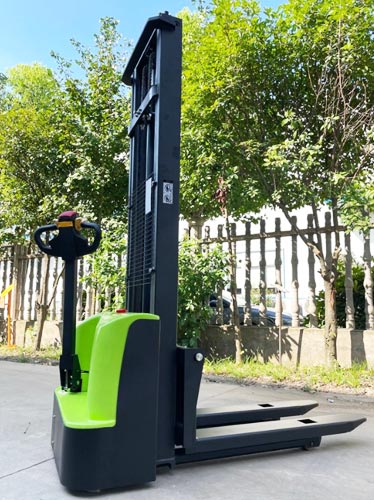
Battery Care for Long Endurance
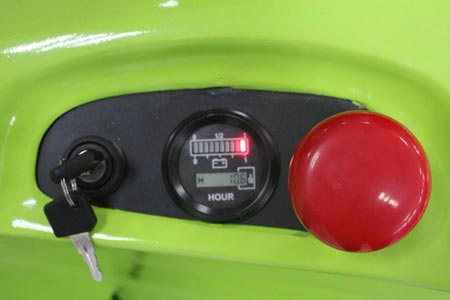
The lithium battery is the power core of the equipment. Always follow the "shallow charge, shallow discharge" rule: recharge when power drops to around 20%, and never let the battery fully drain. Use only the original charger in a dry, well-ventilated area, away from moisture, high heat, and open flames. Clean dust from the battery surface regularly and check that terminals are tight and free of corrosion. For long-term storage, top up the battery every two weeks to prevent aging from deep discharge.
Wheel and Axle Inspection
Wheels take constant ground contact, so they easily pick up debris and wear out quickly. Before and after each shift, clear dirt, plastic, and other debris from the wheel gaps. Inspect polyurethane wheels and guide wheels for uneven wear, cracks, or unusual noise, and replace them when damaged. Tighten axle bolts periodically to ensure smooth rolling and steering, reducing wobble that strains the frame.
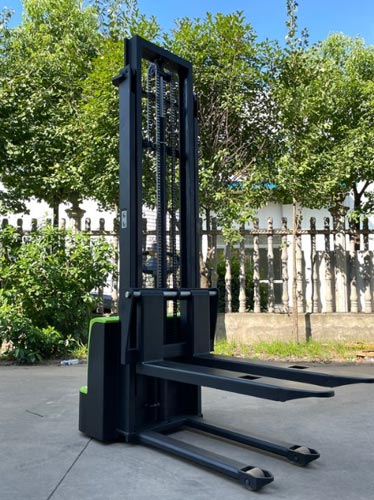
Hydraulic System Maintenance
Check hydraulic oil levels regularly and top up with the correct fluid if low. Replace oil if it appears dark or contaminated. Inspect cylinders, hoses, and seals for leaks, and replace worn parts immediately to prevent pressure loss. Lubricate mast rails and chains evenly to reduce friction, ensuring forks move up and down smoothly without jolting or noise.
Following these simple steps will help keep your stacker working reliably for years. If you need more guidance on care or operation, feel free to contact us.
-
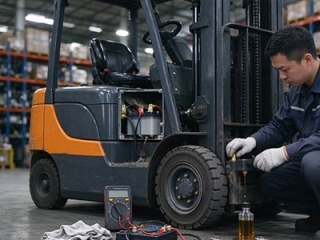 Reliability Of Newnewton Warehouse Forklifts For Heavy-Duty ShiftsWarehouse forklift reliability relies on industrial parts, reinforced frames and factory durability tests. Proper operation and maintenance reduce unexpected downtime.
Do you like ?0
Read more -
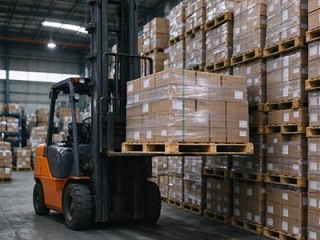 Forklift Configuration Strategy For Dense Warehousing, Warehouse ForkliftDense warehousing needs matched forklifts besides racks. Reach and trilateral stackers fit different layouts, coordinate aisle, load curve and floor for smooth handling.
Do you like ?0
Read more -
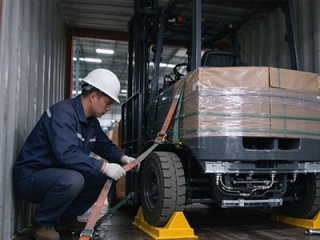 Full Container Supply For Export Forklifts, Forklift ManufacturerBulk forklift orders for overseas can ship by FCL or LCL. Newnewton FCL offers stable freight, safer packing and mixed models for large purchases.
Do you like ?0
Read more -
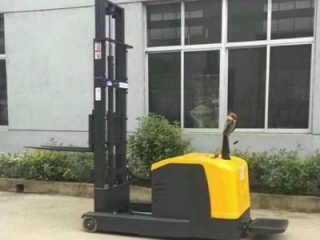 Stand-on Reach Stacker For Narrow Aisle Stacking, Mast Reach StructureStand-on reach stackers feature sliding masts that stay outside racks. They boost storage density in narrow aisles and require flat floors and standard pallets.
Do you like ?0
Read more -
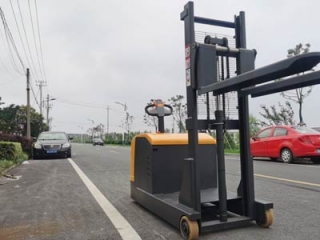 Stand-on Counterbalance Stacker For Various Pallets, Why No Leg RestrictionCounterbalance stackers have no front outriggers, using rear counterweight to avoid pallet interference. They fit various odd pallets yet need wider warehouse aisles.
Do you like ?0
Read more -
 Custom Walk-Behind Counterbalance Stacker | Non-Standard ModificationsStandard walk-behind counterbalance stackers struggle with non-standard pallets and tight aisles. Customize load, lift, forks and structure, share working conditions for safe design.
Do you like ?0
Read more








