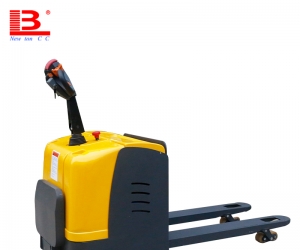
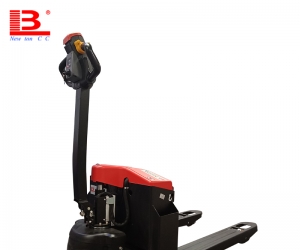
Hydraulic Hand Pallet Truck Working Principle & Cylinder Component Breakdown
The hydraulic hand pallet truck can easily lift heavy loaded pallets, and its core power comes from the built-in oil cylinder. Many faults such as weak lifting and load sinking are rooted in cylinder components. Understanding the manual hydraulic pallet jack cylinder structure of four core components helps you grasp the lifting logic, and makes daily inspection and maintenance easier.
The cylinder barrel is the main load-bearing part of the oil cylinder, with precise internal oil passages to hold hydraulic oil. It must withstand oil pressure impact during operation, generally made of thickened steel with polished inner wall to reduce wear during piston movement. Scratches on the inner wall will cause internal hydraulic leakage, showing slow sinking after lifting loads.
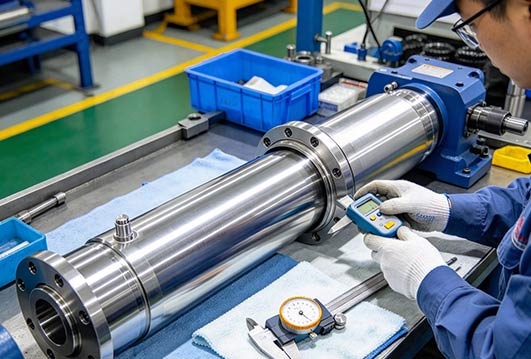
The piston assembly is installed inside the cylinder barrel and reciprocates with oil pressure. Seals on the outer side of the piston separate hydraulic oil in upper and lower chambers. When pumping the handle, hydraulic oil pushes the piston upward to lift the forks. When releasing pressure, oil flows back and the piston drops together with forks. Aged or damaged seals are the most common cause of weak lifting of pallet trucks.
The control valve assembly controls the on-off of oil passages, integrating check valve and pressure relief valve. When pumping the manual pump handle, the check valve locks the oil circuit to accumulate pressure for lifting. Pull the pressure release handle to open the relief valve, oil returns to the tank and forks descend smoothly. Dirt stuck on valve spool may lead to no lifting or uncontrolled fork lowering.
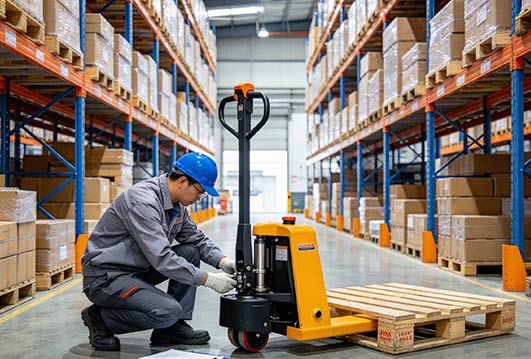
The external pump body and oil reservoir deliver and store hydraulic oil. Repeated handle pumping forces oil from reservoir into the cylinder to build pressure. Low oil level or deteriorated hydraulic oil will result in insufficient pumping pressure, the pallet truck can lift empty load but fails under heavy goods.
Knowing the hydraulic hand pallet truck working principle and basic cylinder structure helps on-site staff spot early fault signs and reduce downtime. If you need to buy new manual hydraulic pallet trucks or replacement cylinder parts, contact us for product specifications and quotations.
-
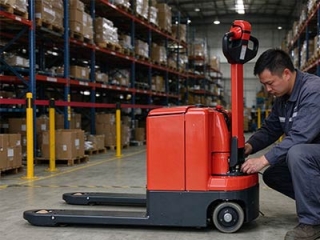 Maintenance Notes for Double Pallet Truck Under Heavy Warehouse LoadsOperators often ignore abnormal motor noise of double pallet trucks during rush orders. Continuous operation burns motors. Timely maintenance prevents failures.
Do you like ?0
Read more -
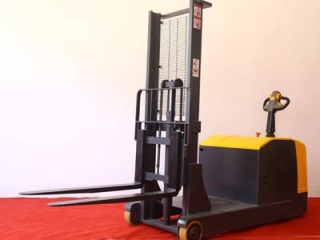 How to Get Accurate Quotations for Stand-on Counterbalance StackerStand-on counterbalance stackers rely on rear weight for stability and cost more. Battery, load, lift height and custom options affect final quotations.
Do you like ?0
Read more -
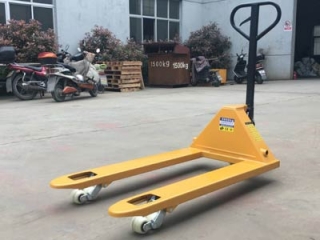 Manual Stacker Vs Pallet Jack: Key Operational Function DifferencesNew buyers confuse manual pallet trucks and manual stackers. They differ in lifting function. Pallet trucks for transfer, stackers for racking to avoid risks.
Do you like ?0
Read more -
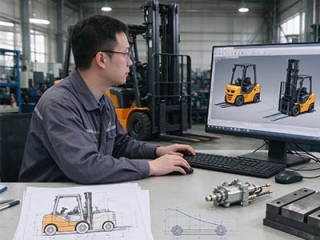 Custom Forklift Dimensions for Export to Fit Narrow Warehouse AislesForklift export faces size risks. Overseas orders may fail door, container or aisle fit. Customization needs balance of gravity, load and target market certifications.
Do you like ?0
Read more -
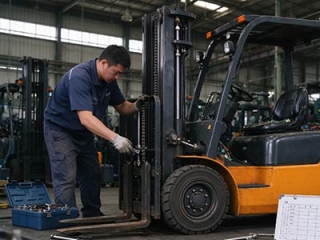 Forklift Safety Management Guide Based on Special Equipment SpecificationsForklifts are special equipment. Follow TSG 81 with training, records, inspection and on-site control to prevent accidents and penalties.
Do you like ?0
Read more -
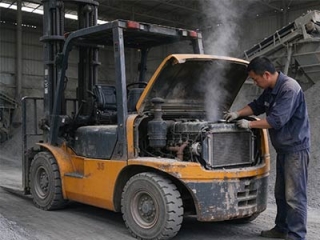 Heavy-Duty Diesel Forklift High Temperature Troubleshooting Guide3.5t diesel forklifts often overheat when handling sand and stone. Inspect cooling system step by step: radiator, belt, shroud, thermostat and water pump.
Do you like ?0
Read more