Oil leakage of stacker will cause weak lifting capacity, reduce work efficiency and bring hidden dangers to workshop safety. Leaking oil contaminates the floor and leads to slippery ground, which brings trouble to daily cleaning and personnel walking. Most oil leakage problems are caused by aging and damaged oil seals. This article tells you how to replace oil seal of manual hydraulic stacker from reliable manual forklift manufacturer.
Preparation work Prepare new oil seal, hex wrench, rag and oil container. Make sure the new oil seal matches the original specification. Place the stacker on flat hard ground, lower forks completely and release hydraulic pressure to prevent unexpected lifting.
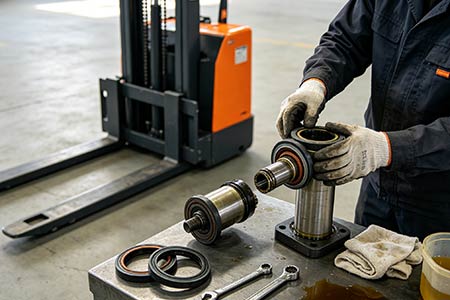
Removal of old oil seal Clean oil stains outside the oil cylinder and disassemble the cylinder end cover. Pull out the piston rod slowly and find the damaged old oil seal. Use special tools to pick out the old oil seal carefully. Do not scratch the inner wall of cylinder and piston rod, scratches will make the new oil seal wear quickly again.
Cylinder cleaning and inspection Wipe the cylinder inner cavity and piston rod, check for burrs, scratches and rust spots. If obvious scratches exist, replacing oil seal alone cannot solve leakage completely. The piston rod needs to be repaired or replaced at the same time.
New oil seal installation Coat hydraulic oil evenly on the oil seal surface before installation for lubrication. Fit the oil seal steadily into the seal groove, with the lip facing the hydraulic oil side. Install in place and avoid twisting or turning over the oil seal.
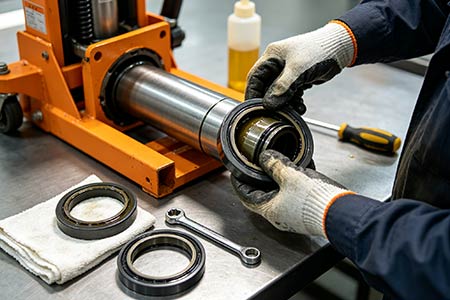
Reassembly and pressure test Install piston rod and end cover in sequence, tighten bolts according to specified torque. Add the corresponding type of hydraulic oil. Press the handle repeatedly to lift and lower forks, check whether oil seeps at the cylinder position. Test lifting function under no load many times. Put the stacker into operation only after smooth lifting and no oil leakage.
Choose oil seal of matching model preferentially. Poor-quality oil seals have bad wear resistance and leak again in a short period. Dispose of waste hydraulic oil properly after maintenance, do not pour it directly on warehouse floor. Stop using the stacker immediately once oil leakage is found during operation, do not carry goods with faulty equipment.
If you cannot buy matching oil seals, consult our manual forklift manufacturer. We have complete spare parts and rich production experience to offer professional guidance.
-
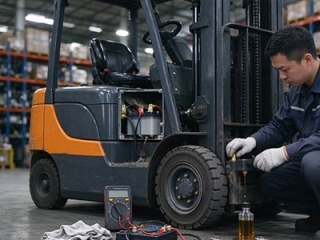 Reliability Of Newnewton Warehouse Forklifts For Heavy-Duty ShiftsWarehouse forklift reliability relies on industrial parts, reinforced frames and factory durability tests. Proper operation and maintenance reduce unexpected downtime.
Do you like ?0
Read more -
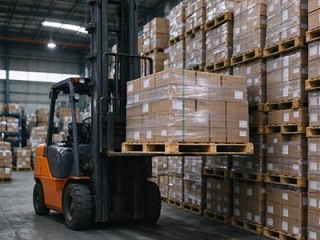 Forklift Configuration Strategy For Dense Warehousing, Warehouse ForkliftDense warehousing needs matched forklifts besides racks. Reach and trilateral stackers fit different layouts, coordinate aisle, load curve and floor for smooth handling.
Do you like ?0
Read more -
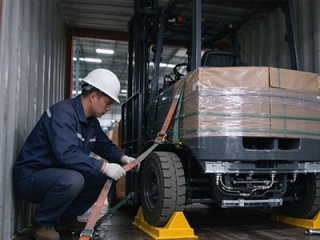 Full Container Supply For Export Forklifts, Forklift ManufacturerBulk forklift orders for overseas can ship by FCL or LCL. Newnewton FCL offers stable freight, safer packing and mixed models for large purchases.
Do you like ?0
Read more -
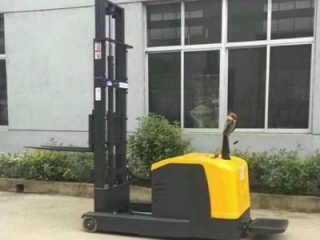 Stand-on Reach Stacker For Narrow Aisle Stacking, Mast Reach StructureStand-on reach stackers feature sliding masts that stay outside racks. They boost storage density in narrow aisles and require flat floors and standard pallets.
Do you like ?0
Read more -
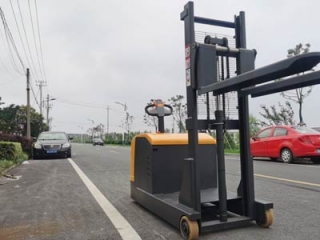 Stand-on Counterbalance Stacker For Various Pallets, Why No Leg RestrictionCounterbalance stackers have no front outriggers, using rear counterweight to avoid pallet interference. They fit various odd pallets yet need wider warehouse aisles.
Do you like ?0
Read more -
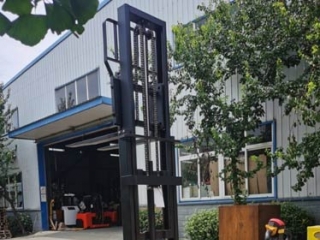 Custom Walk-Behind Counterbalance Stacker | Non-Standard ModificationsStandard walk-behind counterbalance stackers struggle with non-standard pallets and tight aisles. Customize load, lift, forks and structure, share working conditions for safe design.
Do you like ?0
Read more