Hand‑Operated Forklift | Manual Hydraulic Stacker Warehouse Selection Guide
For many small and medium‑sized light‑duty warehouses with low stacking frequency, manual handling is labor‑intensive and inefficient. A well‑chosen manual hydraulic stacker delivers cost‑effective performance to ease daily goods stacking. Below are practical selection tips for purchasing a proper hand operated forklift according to real‑world working conditions.
Pay attention to load capacity first. Do not select a model whose rated load exactly matches your regular cargo weight. Occasional overloading or offset cargo placement will force the hydraulic system to work under full load, accelerating wear of cylinder seals and causing pressure loss or unexpected fork descent. For light‑duty storage, 1 ton or 1.5 ton units are widely used. Reserving reasonable load margin helps extend equipment service life.
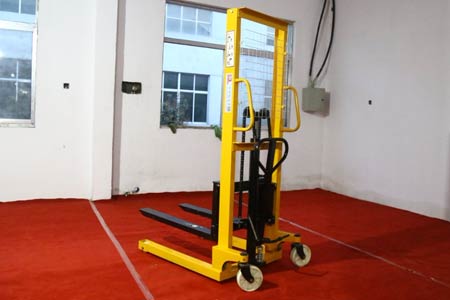
Lifting height is another essential factor determined by your rack height. Besides maximum lifting height, do not overlook the minimum fork ground clearance. On uneven floors or with low‑base racks, insufficient clearance will make forks scrape ground and rack bases during movement.
Hydraulic components and build quality greatly influence later maintenance frequency. Poor‑quality stackers suffer frequent pump oil leakage and heavy cranking resistance, increasing operators’ physical burden. Check cylinder craftsmanship and welding joints; rough welds tend to deform under long‑term stress.
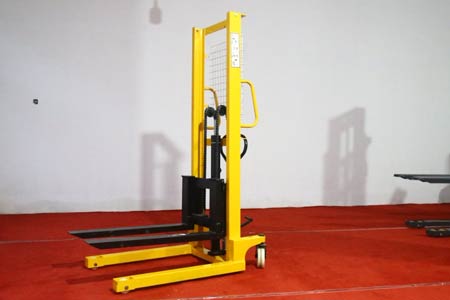
Wheel types also deserve attention. Polyurethane wheels work well on epoxy floors with low noise and floor protection. Nylon wheels feature superior wear and impact resistance for harsh sites with scattered debris. In addition, confirm fork width to fit your standard pallets. Improper fork spacing may lead to tilted or slipping pallets and bring safety risks.
To sum up, selecting a suitable hand operated forklift should not rely merely on price. Always make decisions based on actual warehouse conditions to guarantee real cost‑effectiveness. Feel free to contact us for customized equipment solutions.
-
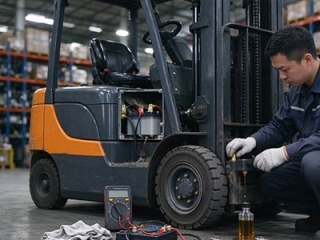 Reliability Of Newnewton Warehouse Forklifts For Heavy-Duty ShiftsWarehouse forklift reliability relies on industrial parts, reinforced frames and factory durability tests. Proper operation and maintenance reduce unexpected downtime.
Do you like ?0
Read more -
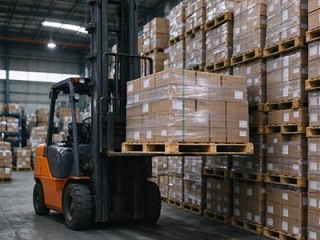 Forklift Configuration Strategy For Dense Warehousing, Warehouse ForkliftDense warehousing needs matched forklifts besides racks. Reach and trilateral stackers fit different layouts, coordinate aisle, load curve and floor for smooth handling.
Do you like ?0
Read more -
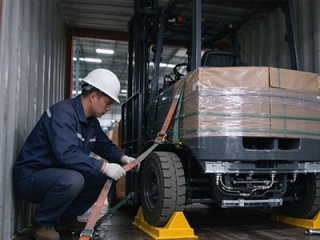 Full Container Supply For Export Forklifts, Forklift ManufacturerBulk forklift orders for overseas can ship by FCL or LCL. Newnewton FCL offers stable freight, safer packing and mixed models for large purchases.
Do you like ?0
Read more -
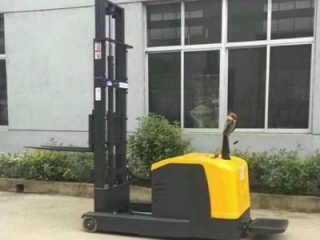 Stand-on Reach Stacker For Narrow Aisle Stacking, Mast Reach StructureStand-on reach stackers feature sliding masts that stay outside racks. They boost storage density in narrow aisles and require flat floors and standard pallets.
Do you like ?0
Read more -
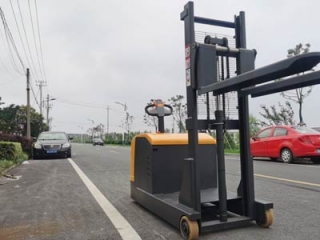 Stand-on Counterbalance Stacker For Various Pallets, Why No Leg RestrictionCounterbalance stackers have no front outriggers, using rear counterweight to avoid pallet interference. They fit various odd pallets yet need wider warehouse aisles.
Do you like ?0
Read more -
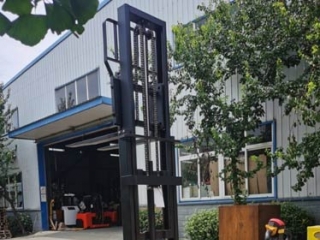 Custom Walk-Behind Counterbalance Stacker | Non-Standard ModificationsStandard walk-behind counterbalance stackers struggle with non-standard pallets and tight aisles. Customize load, lift, forks and structure, share working conditions for safe design.
Do you like ?0
Read more