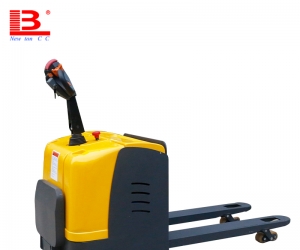
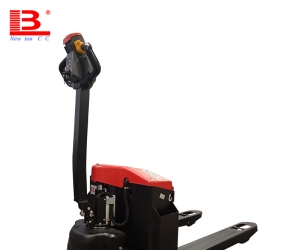
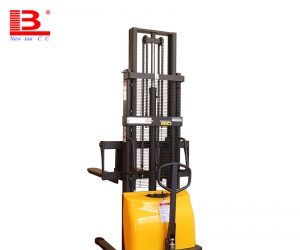
Mini Electric Forklift | Differences From Standard Electric Forklift
This guide explains the differences between mini electric forklift and standard electric forklift, helping businesses select matching warehouse equipment and avoid extra costs and project delays caused by wrong selection. Below are their core differences.
1. Body Size & Aisle Requirement
Standard electric counterbalance forklifts are bulky, requiring working aisles of over 3.0 meters. The mini electric forklift features a compact, short body. It adapts to narrow spaces with a minimum aisle width of 1.6m–2.2m, perfect for small warehouses and container internal handling.
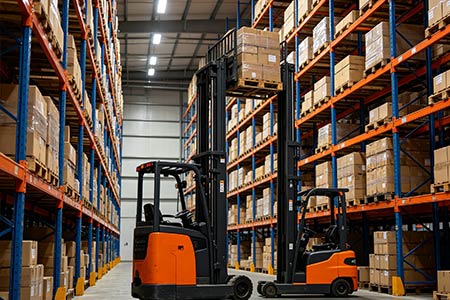
2. Rated Load Capacity
Mini electric forklifts cover light-duty specifications: 0.5 ton, 0.8 ton and 1 ton. Standard electric forklifts start at 1.5 tons, including 2-ton and 3-ton models for heavy cargo transportation. Note: Mini forklifts are not recommended for long-term overloading if daily cargo weight exceeds 1 ton.
3. Lifting Height
Mini electric forklifts are designed for low-level stacking, with mainstream lifting heights from 1.6m to 3.0m. Standard electric forklifts support wider mast options, with a maximum lifting height up to 6 meters, delivering stronger three-dimensional warehousing capacity.
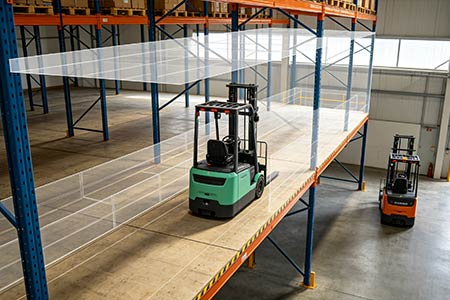
4. Weight & Site Adaptability
Lightweight mini electric forklift suits mezzanine floors, load-limited platforms and temporary elevated floors. Standard electric forklifts have heavier dead weight, requiring strict floor load verification before mezzanine operation.
5. Purchase & Operating Cost
At the same lifting height, mini electric forklifts feature lower upfront costs and less power consumption, cutting daily operation expenses. Standard electric forklifts adopt thicker structural parts, supporting long-term continuous heavy-duty work with longer service life.
In summary, comparing mini electric forklift and standard electric forklifts in the five dimensions above ensures accurate procurement. Contact us to get detailed product catalogs and specifications.
-
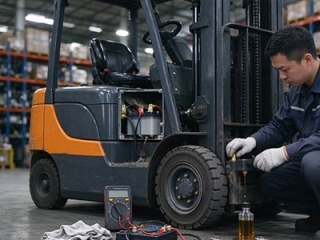 Reliability Of Newnewton Warehouse Forklifts For Heavy-Duty ShiftsWarehouse forklift reliability relies on industrial parts, reinforced frames and factory durability tests. Proper operation and maintenance reduce unexpected downtime.
Do you like ?0
Read more -
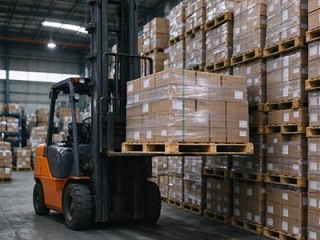 Forklift Configuration Strategy For Dense Warehousing, Warehouse ForkliftDense warehousing needs matched forklifts besides racks. Reach and trilateral stackers fit different layouts, coordinate aisle, load curve and floor for smooth handling.
Do you like ?0
Read more -
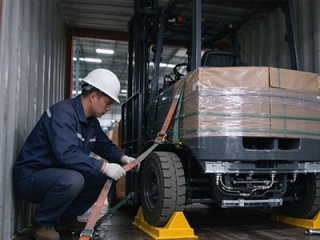 Full Container Supply For Export Forklifts, Forklift ManufacturerBulk forklift orders for overseas can ship by FCL or LCL. Newnewton FCL offers stable freight, safer packing and mixed models for large purchases.
Do you like ?0
Read more -
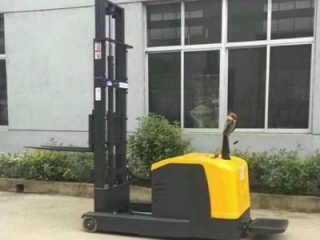 Stand-on Reach Stacker For Narrow Aisle Stacking, Mast Reach StructureStand-on reach stackers feature sliding masts that stay outside racks. They boost storage density in narrow aisles and require flat floors and standard pallets.
Do you like ?0
Read more -
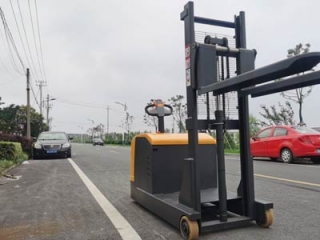 Stand-on Counterbalance Stacker For Various Pallets, Why No Leg RestrictionCounterbalance stackers have no front outriggers, using rear counterweight to avoid pallet interference. They fit various odd pallets yet need wider warehouse aisles.
Do you like ?0
Read more -
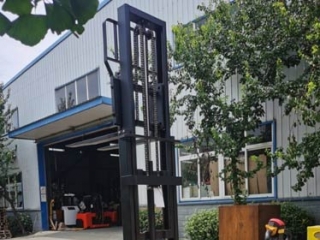 Custom Walk-Behind Counterbalance Stacker | Non-Standard ModificationsStandard walk-behind counterbalance stackers struggle with non-standard pallets and tight aisles. Customize load, lift, forks and structure, share working conditions for safe design.
Do you like ?0
Read more