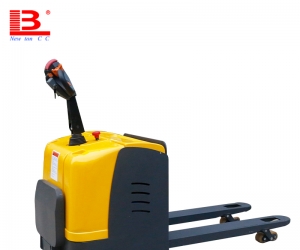
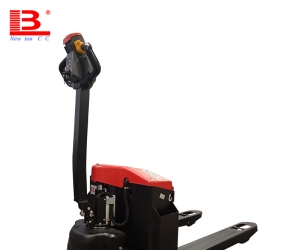
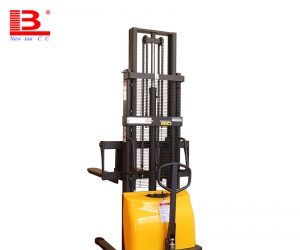
Diesel-powered forklifts are widely used in various wheeled transport vehicles in logistics industries such as terminals, factories, and warehouses. As an indispensable tool for modern logistics and transportation, diesel forklifts play an important role in the loading and unloading, handling, short-distance transportation and heavy-duty transportation of goods. They can enter various places such as freight yards, airports, stations, ports, etc., for the loading and unloading and handling of palletized goods, and are indispensable equipment in pallet transportation and container transportation. Diesel forklifts are mainly divided into three categories: electric forklifts, warehouse forklifts, and internal combustion forklifts.
The first is an electric diesel forklift, which uses a motor as a power and a battery as an energy source. The load capacity is between 1.0 and 4.8 tons, and it is suitable for environments with working groove widths in the range of 3.5 to 5.0 meters. Due to its pollution-free and low-noise characteristics, it is especially suitable for places such as medicine and food industry with high environmental requirements. Since the battery needs to be recharged for about 8 hours, a backup battery is needed to support multiple shifts, and a dedicated charging facility is required in the workplace.

The second is the warehouse diesel forklift, which is mainly used for the handling of goods in the warehouse. Most warehouse forklifts are driven by motors, and a few, such as manual pallet forklifts, are driven by manpower. Motor-driven forklifts are widely used in the warehousing industry due to their compact structure, flexible movement, light weight and good environmental protection. In multi-shift operations, spare batteries are required and a dedicated charging place is provided.
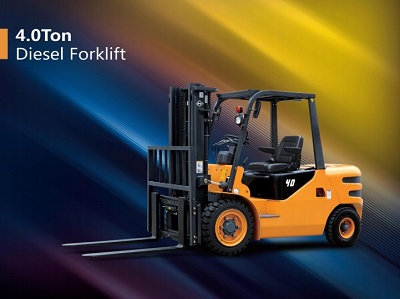
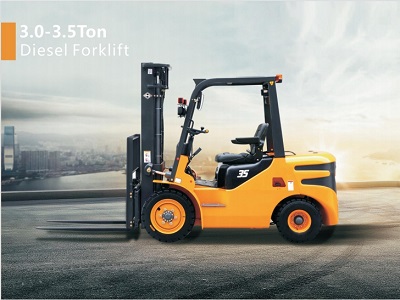
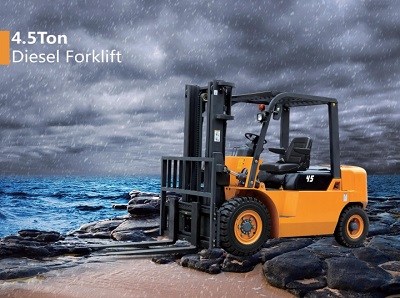
Finally, there are diesel forklifts with internal combustion engines, including heavy-duty forklifts, ordinary internal combustion forklifts, container forklifts and side forklifts, etc. Internal combustion forklifts are usually powered by gasoline, diesel, liquefied petroleum gas or natural gas engines, and have a strong carrying capacity and can carry more than 5 tons of goods. It is suitable for outdoor places with no special requirements for exhaust gas emission and noise, and can operate continuously for a long time and work in harsh environments.
-
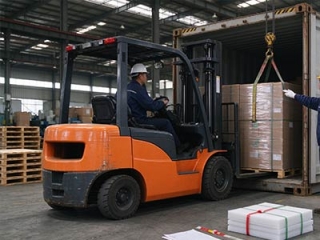 Newnewton Forklift Manufacturer, Forklift CE Certification for ExportNewnewton forklift factory offers full CE certification complying with EN ISO 3691, complete technical documents and OEM service to reduce customs detention risks.
Do you like ?0
Read more -
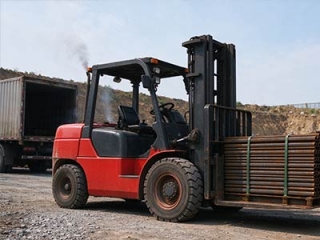 Electric Forklift Vs Diesel Forklift, Warehouse Selection GuideElectric forklift is zero-emission and quiet for indoor clean warehouses. Diesel forklift offers strong power for outdoor heavy-duty tasks.
Do you like ?0
Read more -
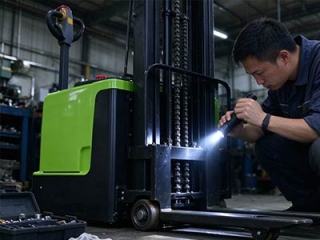 Narrow Aisle Stacker Forklift Custom Manufacturer for WarehouseCustom narrow aisle stacker for non-standard racking. Adjust body, mast and fork specs, upgrade power and protection, site survey available.
Do you like ?0
Read more -
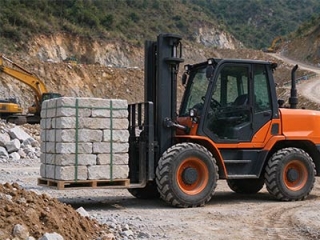 4WD All Terrain Rough Terrain Forklift Climbing for Mountain Sites4WD rough terrain forklift works on unpaved roads. Observe load climbing limit, attachments optional for forest and construction sites.
Do you like ?0
Read more -
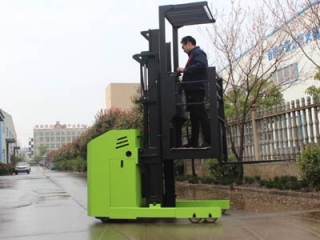 Man-Up Order Picker for High Level Picking, Suitable Warehouse ModesMan-up high level order picker for high-level split picking. Not for full pallet stacking, check rack, aisle and floor before selection.
Do you like ?0
Read more -
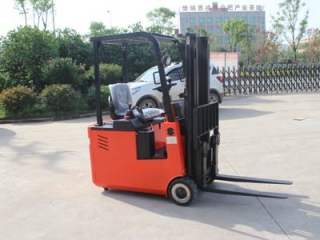 Narrow Aisle Operation Of Three-Wheel Forklift With Compact Turning RadiusThree-point electric forklift features small turning radius for narrow aisles. Reserve safety margin and check floor condition during selection.
Do you like ?0
Read more