Custom Non‑Standard Portable Pallet Stacker: Customization Lead Time Reference
When dealing with non‑standard pallets, special working stations or narrow operating spaces, standard manual forklifts often fail to match on‑site conditions, which makes non‑standard customization necessary. Below is the common production lead time for custom‑size manual stackers from manufacturers.
Minor modification covers adjusting fork width, fork length, or lifting height within existing ranges without changing main frame structure. With sufficient steel and hydraulic component stock, the lead time for lightly customized portable pallet stacker is normally 7‑10 working days. No new mould is required; only fork cutting, welding and existing mast selection are involved. This is the most popular custom solution for irregular pallets.
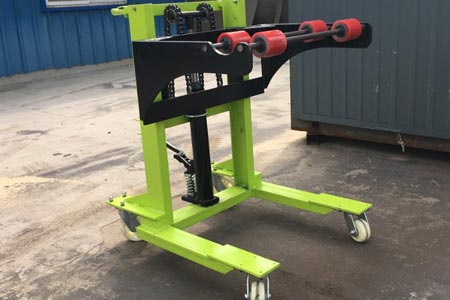
Medium‑level customization includes adjusting chassis overall width, upgrading load capacity, adopting special hydraulic assemblies or non‑standard mast combinations with partial frame rework. It requires new material cutting, welding and full‑load testing, plus lead‑time for outsourced spare parts. Typical production takes 12‑18 working days. 3‑5 extra working days may be added during peak production seasons due to tight workshop scheduling.
Heavy‑duty customization means complete frame redesign, special ground clearance and multiple custom components. Drawing confirmation, custom material procurement and prototype testing are required. Lead time for this kind of portable pallet stacker and manual hydraulic stacker reaches 20‑30 working days. Extra delay may occur if special spare parts have long procurement cycles.
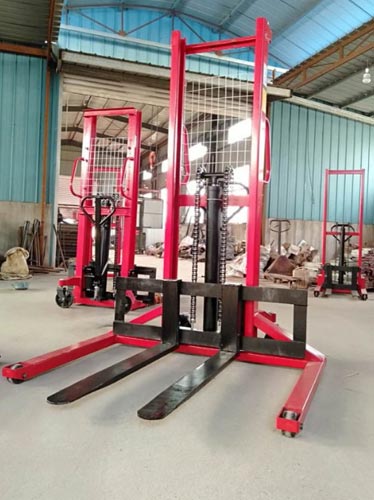
Apart from modification complexity, three main factors will extend delivery time. First, drawing confirmation. Repeated dimension revisions from buyers reset production timing. Confirm pallet size, aisle width, max load weight and lifting height before finalizing drawings. Second, raw‑material availability. Special steel plates and non‑standard hydraulic cylinders will cause waiting time if out of stock. Third, order backlog. March‑May and September‑November are busy purchasing seasons, custom lead time generally rises by around 20%.
After production, every custom manual hydraulic stacker will go through lifting, overload and pressure‑relief factory tests for safety. For export orders, verify whether non‑standard alterations still comply with CE requirements to prevent customs clearance risks. Send your working condition parameters to get your custom solution.
-
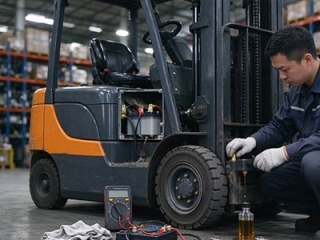 Reliability Of Newnewton Warehouse Forklifts For Heavy-Duty ShiftsWarehouse forklift reliability relies on industrial parts, reinforced frames and factory durability tests. Proper operation and maintenance reduce unexpected downtime.
Do you like ?0
Read more -
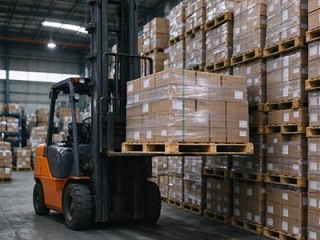 Forklift Configuration Strategy For Dense Warehousing, Warehouse ForkliftDense warehousing needs matched forklifts besides racks. Reach and trilateral stackers fit different layouts, coordinate aisle, load curve and floor for smooth handling.
Do you like ?0
Read more -
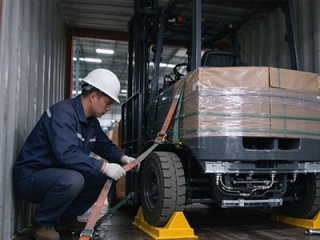 Full Container Supply For Export Forklifts, Forklift ManufacturerBulk forklift orders for overseas can ship by FCL or LCL. Newnewton FCL offers stable freight, safer packing and mixed models for large purchases.
Do you like ?0
Read more -
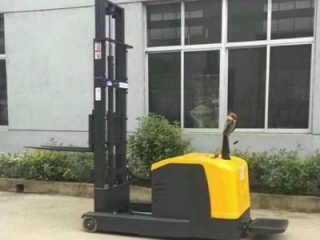 Stand-on Reach Stacker For Narrow Aisle Stacking, Mast Reach StructureStand-on reach stackers feature sliding masts that stay outside racks. They boost storage density in narrow aisles and require flat floors and standard pallets.
Do you like ?0
Read more -
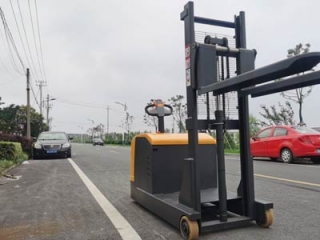 Stand-on Counterbalance Stacker For Various Pallets, Why No Leg RestrictionCounterbalance stackers have no front outriggers, using rear counterweight to avoid pallet interference. They fit various odd pallets yet need wider warehouse aisles.
Do you like ?0
Read more -
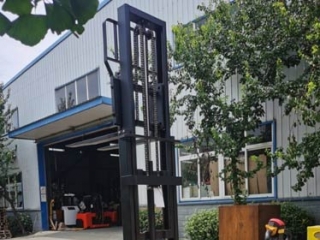 Custom Walk-Behind Counterbalance Stacker | Non-Standard ModificationsStandard walk-behind counterbalance stackers struggle with non-standard pallets and tight aisles. Customize load, lift, forks and structure, share working conditions for safe design.
Do you like ?0
Read more