
How to Choose Towing Capacity for Electric Tow Tractor|4 Key Selection Tips
Many buyers make a common mistake: matching the electric tow tractor towing capacity directly according to total cargo weight. In fact, towing capacity is not equal to cargo dead weight. It is affected by road gradient, floor material and trailer wheel resistance. If you lack experience in full‑electric tow tractor selection, this article explains four core dimensions for proper model selection.
Distinguish cargo weight and trailer chassis weight Total towing weight = cargo load + total self‑weight of all trailers. For example, 3 trailers each carry 2 tons of goods with 0.6‑ton self‑weight per trailer. Total towing weight = (2+0.6)×3 =7.8 tons. Calculating only cargo weight while ignoring trailer chassis weight will result in insufficient selected capacity. On flat cement ground, the rated capacity of standard full‑electric tow tractors applies under ideal flat‑ground conditions and cannot run at full load in all environments.
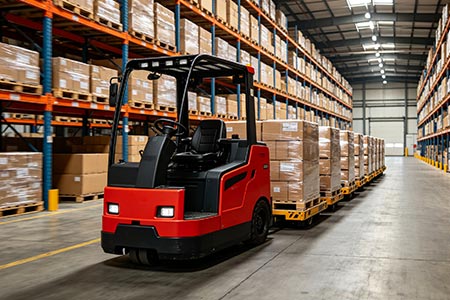
Impact of slope on towing capacity Towing performance drops sharply when driving on ramps inside the plant. At 3° gradient, actual towing capacity decreases by about 30%; at 5° gradient, capacity attenuation reaches 50%. Sufficient capacity margin shall be reserved for sites with uphill and downhill sections. Case reference: A factory purchased a 5‑ton electric tow tractor, which pulls 5 tons on flat ground. While working on a 4° unloading ramp, it can only stably pull 2.5‑3 tons and frequently suffers starting slip, forcing later replacement of higher‑capacity equipment. For ramp scenarios, increase the selected capacity by 40%‑60% above calculated total towing weight.
Ground condition and trailer structure Smooth cement floor with well‑maintained trailer bearings brings low rolling resistance and small power loss. Epoxy floor, gravel, uneven ground or worn rusty trailer wheels greatly increase friction resistance. For the same tow tractor, practical towing weight on rough ground reduces by over 20%. Trailers with ball‑bearing wheels are recommended to cut resistance. Reserve more than 20% capacity margin if old trailers are adopted.
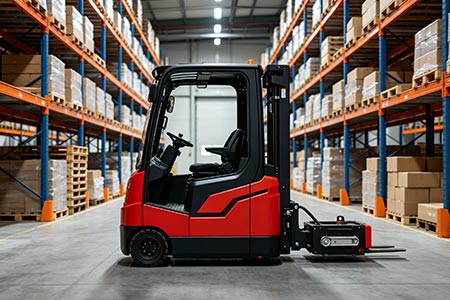
Operation frequency and continuous working hours After confirming towing capacity, match configurations according to operation intensity. Lead‑acid batteries satisfy single‑shift 8‑hour work. For two‑shift high‑frequency transfer, prioritize lithium‑battery models with fast‑charging function to cut downtime. Under frequent start‑stop conditions, controllers and motors shall match towing capacity. Long‑term overload on small‑capacity units accelerates aging of motors and contactors and raises later‑stage maintenance costs.
In short, multiple factors count in electric tow tractor towing capacity selection. Improper model selection will cause poor equipment operation experience. You may provide site gradient, ground condition, total towing weight and daily working hours, we can give targeted suggestions for your full‑electric tow tractor selection.
-
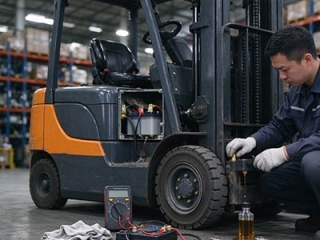 Reliability Of Newnewton Warehouse Forklifts For Heavy-Duty ShiftsWarehouse forklift reliability relies on industrial parts, reinforced frames and factory durability tests. Proper operation and maintenance reduce unexpected downtime.
Do you like ?0
Read more -
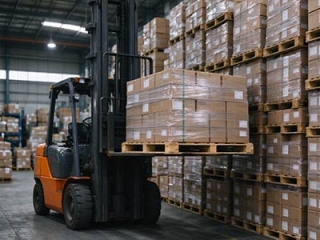 Forklift Configuration Strategy For Dense Warehousing, Warehouse ForkliftDense warehousing needs matched forklifts besides racks. Reach and trilateral stackers fit different layouts, coordinate aisle, load curve and floor for smooth handling.
Do you like ?0
Read more -
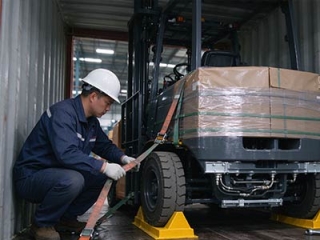 Full Container Supply For Export Forklifts, Forklift ManufacturerBulk forklift orders for overseas can ship by FCL or LCL. Newnewton FCL offers stable freight, safer packing and mixed models for large purchases.
Do you like ?0
Read more -
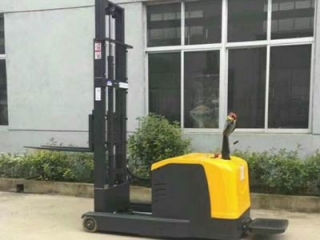 Stand-on Reach Stacker For Narrow Aisle Stacking, Mast Reach StructureStand-on reach stackers feature sliding masts that stay outside racks. They boost storage density in narrow aisles and require flat floors and standard pallets.
Do you like ?0
Read more -
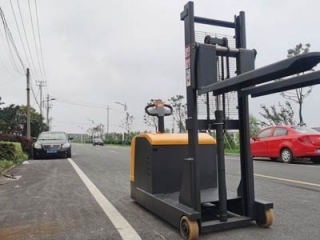 Stand-on Counterbalance Stacker For Various Pallets, Why No Leg RestrictionCounterbalance stackers have no front outriggers, using rear counterweight to avoid pallet interference. They fit various odd pallets yet need wider warehouse aisles.
Do you like ?0
Read more -
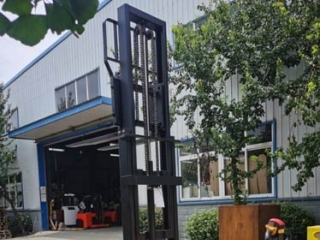 Custom Walk-Behind Counterbalance Stacker | Non-Standard ModificationsStandard walk-behind counterbalance stackers struggle with non-standard pallets and tight aisles. Customize load, lift, forks and structure, share working conditions for safe design.
Do you like ?0
Read more








