
After purchasing walk-behind electric truck for warehouses, many companies hope their workers can master the equipment quickly to finish material handling tasks. How to operate walk-behind electric pallet truck? Combined with common overlooked issues summarized by electric pallet truck manufacturer, we share the full operation tutorial. Operators can complete daily pallet transport safely and efficiently by following standard procedures.
Pre-operation inspection It is the first step to guarantee safe operation. Before startup, check the whole vehicle appearance. Confirm the frame and forks have no deformation or cracks, wheels rotate smoothly without jamming or trapped debris. Verify the battery power is sufficient to avoid sudden power cut during operation. Inspect lift button, emergency stop switch and horn to ensure they respond sensitively. Never use the equipment with known faults.
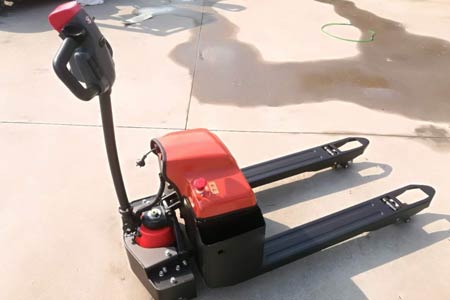
Proper loading operation This step is critical to prevent cargo tilting or falling. Align forks with pallet openings and push slowly until forks reach the centered bottom of the pallet to ensure even force bearing. After confirming the pallet stays stable with centered gravity, tap the lift button slightly and lift goods 5–10 cm off the ground. Avoid partial load or offset loading to stop cargo tipping during transport.
Driving and transporting process Stable speed control matters most in this stage. Walk-behind electric pallet truck uses buttons on the control handle to move forward and backward. New operators should start slowly and keep steady speed. Maintain low speed in narrow warehouse aisles or crowded zones, decelerate in advance while turning. Rapid acceleration and sudden braking are forbidden. Sound the horn at corners, doorways and aisle intersections, keep observing surrounding staff and goods, and reject rough operation.
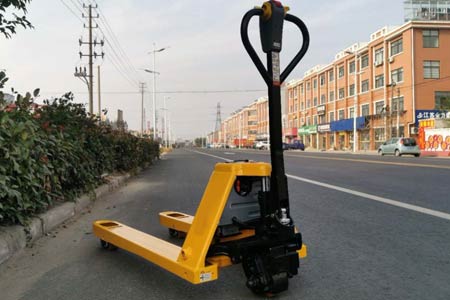
Unloading and parking rules cannot be ignored Slow down and align the vehicle once arriving at target spot. Lower forks steadily until the pallet lands completely. Pull out forks only after goods are fully stable. After work, park the truck in designated area, cut off power and activate emergency stop. Keep the vehicle tidy and charge it timely for long idle periods to prevent battery damage from power loss.
Generally speaking, walk-behind electric pallet truck is easy to operate. Following the rules of pre-inspection, stable loading, slow driving and standard unloading helps new operators get proficient fast and improve warehouse handling efficiency. As a professional electric pallet truck manufacturer, we are ready to answer your questions if you have any.
-
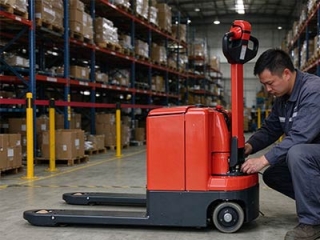 Maintenance Notes for Double Pallet Truck Under Heavy Warehouse LoadsOperators often ignore abnormal motor noise of double pallet trucks during rush orders. Continuous operation burns motors. Timely maintenance prevents failures.
Do you like ?0
Read more -
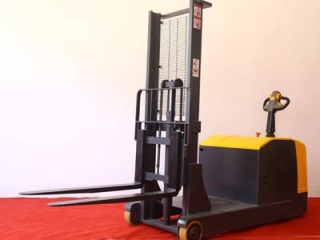 How to Get Accurate Quotations for Stand-on Counterbalance StackerStand-on counterbalance stackers rely on rear weight for stability and cost more. Battery, load, lift height and custom options affect final quotations.
Do you like ?0
Read more -
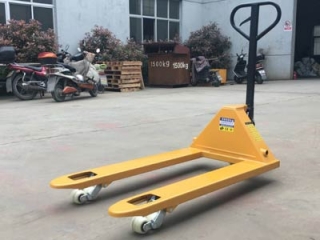 Manual Stacker Vs Pallet Jack: Key Operational Function DifferencesNew buyers confuse manual pallet trucks and manual stackers. They differ in lifting function. Pallet trucks for transfer, stackers for racking to avoid risks.
Do you like ?0
Read more -
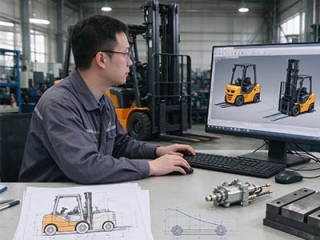 Custom Forklift Dimensions for Export to Fit Narrow Warehouse AislesForklift export faces size risks. Overseas orders may fail door, container or aisle fit. Customization needs balance of gravity, load and target market certifications.
Do you like ?0
Read more -
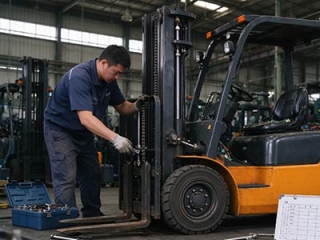 Forklift Safety Management Guide Based on Special Equipment SpecificationsForklifts are special equipment. Follow TSG 81 with training, records, inspection and on-site control to prevent accidents and penalties.
Do you like ?0
Read more -
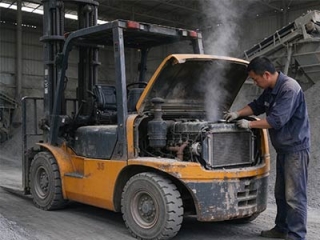 Heavy-Duty Diesel Forklift High Temperature Troubleshooting Guide3.5t diesel forklifts often overheat when handling sand and stone. Inspect cooling system step by step: radiator, belt, shroud, thermostat and water pump.
Do you like ?0
Read more








