
Manual Pallet Truck With Silent Nylon Wheels: 4 Points On Wear Resistance
Manual pallet truck with silent nylon wheels is widely adopted in warehouse operations, and many buyers focus heavily on the wear resistance of wheel assemblies. Four key factors decide the abrasion performance of manual truck with silent nylon wheels, helping you evaluate this model correctly.
Raw material of the wheel sets its basic wear resistance. High-grade nylon has decent hardness, good scratch resistance and compression resistance, so it is not easy to be scratched by sand and debris on concrete floors. Nylon wheels made from recycled materials cost less but contain many impurities. They tend to chip and crack after continuous rolling, with a much shorter service cycle. You can confirm the material grade during procurement.
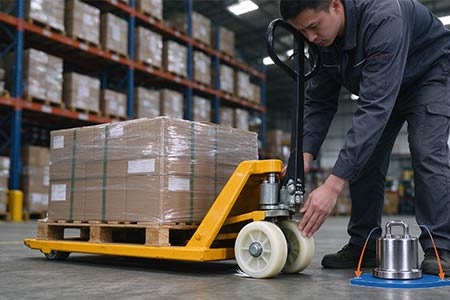
Floor condition greatly affects the wear rate. Nylon wheels wear slowly and deliver ideal noise reduction on smooth epoxy flooring. On rough concrete ground or aisles scattered with gravel, continuous friction speeds up surface abrasion. If sharp debris frequently appears on the floor, regular cleaning is required even for wear-resistant nylon wheels to avoid cutting damage.
Loading habits also change the consumption speed of wheels. Warehouse manual pallet truck has a rated load capacity. Overloading for a long time puts excessive pressure on the wheel, causing surface deformation and heat accumulation, which makes the wear layer age in advance. Operate within the rated tonnage, push and pull steadily, and avoid sudden braking or dragging during turning to prolong wheel life.
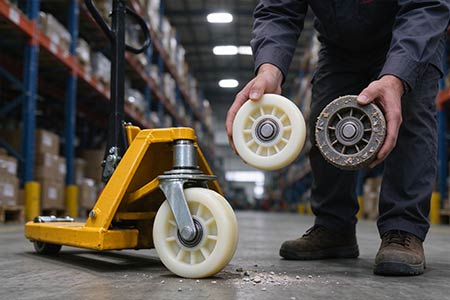
Wheel structure balances wear resistance and silent performance. Integrally cast nylon wheels feature stable structure and even force distribution to prevent partial fast wear. Matched with qualified bearings, wheels rotate smoothly and lower extra loss from sliding friction. Models with thickened wheel surfaces can run longer than thin versions under the same working conditions.
Check the wheel surface of warehouse manual pallet truck regularly in daily use. Replace wheels promptly once grooves, cracks or stuck rotation occur, to keep low noise and stable operation. Feel free to contact us if you need support on warehouse material handling equipment selection.
-
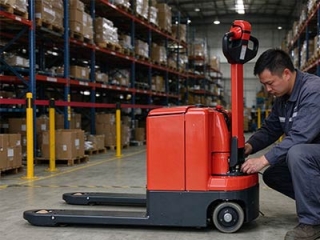 Maintenance Notes for Double Pallet Truck Under Heavy Warehouse LoadsOperators often ignore abnormal motor noise of double pallet trucks during rush orders. Continuous operation burns motors. Timely maintenance prevents failures.
Do you like ?0
Read more -
 How to Get Accurate Quotations for Stand-on Counterbalance StackerStand-on counterbalance stackers rely on rear weight for stability and cost more. Battery, load, lift height and custom options affect final quotations.
Do you like ?0
Read more -
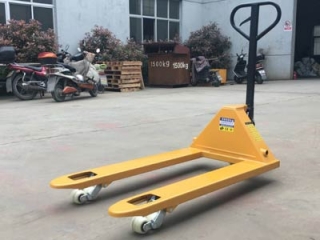 Manual Stacker Vs Pallet Jack: Key Operational Function DifferencesNew buyers confuse manual pallet trucks and manual stackers. They differ in lifting function. Pallet trucks for transfer, stackers for racking to avoid risks.
Do you like ?0
Read more -
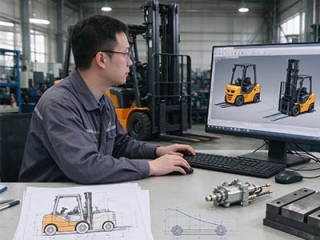 Custom Forklift Dimensions for Export to Fit Narrow Warehouse AislesForklift export faces size risks. Overseas orders may fail door, container or aisle fit. Customization needs balance of gravity, load and target market certifications.
Do you like ?0
Read more -
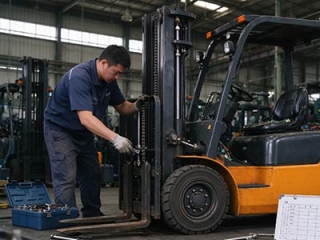 Forklift Safety Management Guide Based on Special Equipment SpecificationsForklifts are special equipment. Follow TSG 81 with training, records, inspection and on-site control to prevent accidents and penalties.
Do you like ?0
Read more -
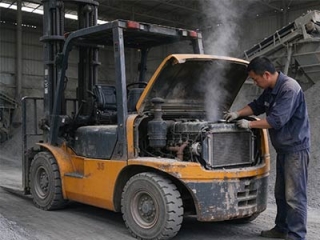 Heavy-Duty Diesel Forklift High Temperature Troubleshooting Guide3.5t diesel forklifts often overheat when handling sand and stone. Inspect cooling system step by step: radiator, belt, shroud, thermostat and water pump.
Do you like ?0
Read more








