As the driver of an self loading stacker, you must abide by the correct operating procedures of the self loading stacker, use it safely, and keep in mind the following ten most basic precautions:
1. The battery of an self loading stacker will produce hydrogen, which may cause an explosion. It is strictly forbidden to smoke near the battery of the self loading stacker, and it is strictly forbidden to produce any open flames or sparks. The battery of the self loading stacker must be stored or charged in a well-ventilated place, but cannot be placed in the exhaust port, so as to prevent the acid mist from corroding the battery of the self loading stacker.
2. The battery fluid of the self loading stacker contains corrosive liquid, which may cause severe burns. Avoid contact with skin, eyes or clothing. If an accident occurs, rinse immediately with plenty of water and seek medical attention.
3. Please wear rubber gloves when checking or maintaining the battery of the self loading stacker to avoid electric shock.
4. The surface or connection of the self loading stacker battery must be kept clean. The dust and impurities on the electric storage forklift must be cleaned up
with a damp cloth, otherwise it will leak electricity and even cause a fire.
5. When cleaning the battery of an self loading stacker, be sure to use a damp cloth, not a dry cloth.
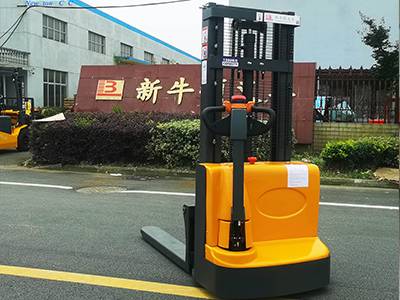
6. Do not use tools to connect the positive and negative poles of the self loading stacker battery.
7. When charging the battery of an self loading stacker, the temperature of the electrolyte should not exceed 50 degrees Celsius to avoid damage caused by electrolyte overflow. Pay special attention in summer and daytime.
8. Before unplugging the battery plug of the self loading stacker, in order to avoid sparks, be sure to turn off the key switch of the self loading stacker and the switch of the charger.
9. The electrolyte level of the battery of the self loading stacker shall not be lower than the minimum limit, otherwise the battery of the self loading stacker is easy to heat and burn.
10. Keep children away from electric storage forklifts.
-
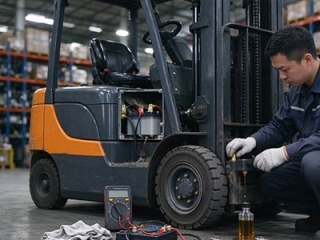 Reliability Of Newnewton Warehouse Forklifts For Heavy-Duty ShiftsWarehouse forklift reliability relies on industrial parts, reinforced frames and factory durability tests. Proper operation and maintenance reduce unexpected downtime.
Do you like ?0
Read more -
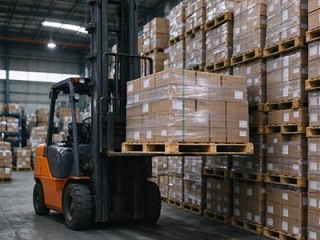 Forklift Configuration Strategy For Dense Warehousing, Warehouse ForkliftDense warehousing needs matched forklifts besides racks. Reach and trilateral stackers fit different layouts, coordinate aisle, load curve and floor for smooth handling.
Do you like ?0
Read more -
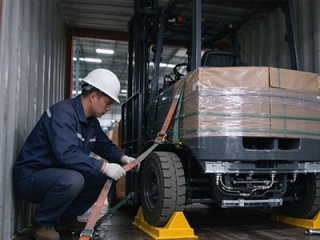 Full Container Supply For Export Forklifts, Forklift ManufacturerBulk forklift orders for overseas can ship by FCL or LCL. Newnewton FCL offers stable freight, safer packing and mixed models for large purchases.
Do you like ?0
Read more -
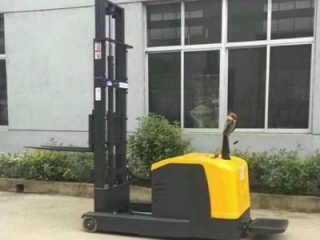 Stand-on Reach Stacker For Narrow Aisle Stacking, Mast Reach StructureStand-on reach stackers feature sliding masts that stay outside racks. They boost storage density in narrow aisles and require flat floors and standard pallets.
Do you like ?0
Read more -
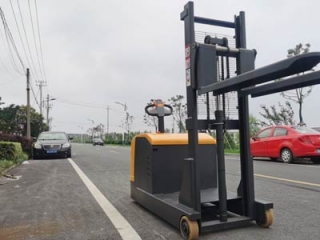 Stand-on Counterbalance Stacker For Various Pallets, Why No Leg RestrictionCounterbalance stackers have no front outriggers, using rear counterweight to avoid pallet interference. They fit various odd pallets yet need wider warehouse aisles.
Do you like ?0
Read more -
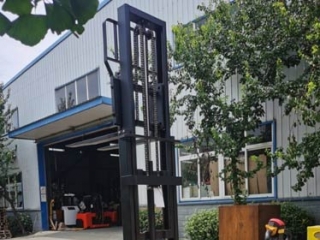 Custom Walk-Behind Counterbalance Stacker | Non-Standard ModificationsStandard walk-behind counterbalance stackers struggle with non-standard pallets and tight aisles. Customize load, lift, forks and structure, share working conditions for safe design.
Do you like ?0
Read more