
Stand-On Electric Stacker Hydraulic Care: 4 Simple Procedures
Warehouse stand-on electric stacker relies on its hydraulic system to lift and lower forks. Common failures such as weak lifting, oil leakage and abnormal noise are mostly caused by insufficient hydraulic maintenance. Warehouse operators can follow these four steps for regular service to cut downtime and extend the service life of stand-on electric stacker.
Check and replace hydraulic oil regularly. Verify that the oil level stays within the marked range every day. Replace the oil promptly once it turns dark, cloudy or contaminated. Use only the hydraulic oil specified for the machine and avoid mixing different oil grades. Clean dust around the oil tank before refilling to stop grit and impurities from entering the circuit. Choose low-temperature hydraulic fluid for cold working environments to guarantee good fluidity and stable lifting performance.
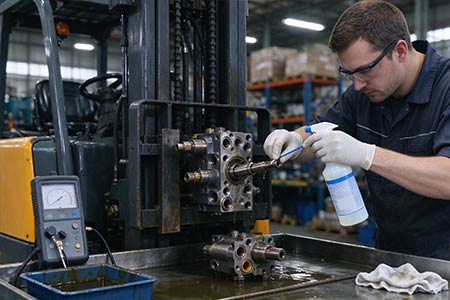
Inspect hydraulic hoses and sealing components. Check every hose for cracks, bulges and oil seepage, and confirm that all joints remain tight. Seals tend to harden and age under continuous pressure and are the main source of leakage. Do not only tighten fittings when leaks appear; replace worn seals directly. Prevent hoses from constant friction against forks or frame during operation, which may rupture the pipeline.
Clean hydraulic valves and overflow parts periodically. Tiny valve spools inside the valve block can get stuck by dirt in the oil, leading to jerky movement and insufficient lifting force. Use approved cleaning solvent for maintenance and never scratch spool surfaces with hard tools. Test the relief pressure after cleaning. Let qualified technicians adjust abnormal pressure to avoid structural damage from overload.
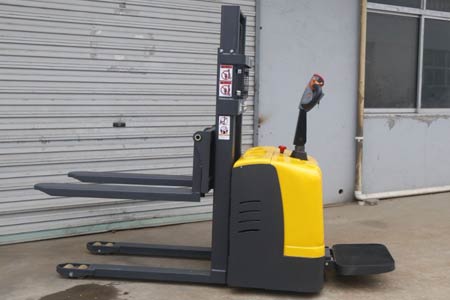
Follow proper operating habits to reduce stress on the hydraulic system. Do not press the lift button rapidly, as sudden pressure spikes will shock the oil circuit. Avoid keeping loaded forks suspended for a long time, which accelerates seal aging. Lower forks fully to release pressure after each shift, so the hydraulic system rests under low pressure.
After finishing maintenance, lift and lower the forks several times without load to bleed air from the circuit. Confirm smooth movement and zero leakage before putting the stacker back into service. Feel free to contact us if you need guidance on hydraulic system care for stand-on electric stacker.
-
 Maintenance Notes for Double Pallet Truck Under Heavy Warehouse LoadsOperators often ignore abnormal motor noise of double pallet trucks during rush orders. Continuous operation burns motors. Timely maintenance prevents failures.
Do you like ?0
Read more -
 How to Get Accurate Quotations for Stand-on Counterbalance StackerStand-on counterbalance stackers rely on rear weight for stability and cost more. Battery, load, lift height and custom options affect final quotations.
Do you like ?0
Read more -
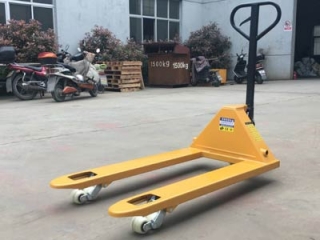 Manual Stacker Vs Pallet Jack: Key Operational Function DifferencesNew buyers confuse manual pallet trucks and manual stackers. They differ in lifting function. Pallet trucks for transfer, stackers for racking to avoid risks.
Do you like ?0
Read more -
 Custom Forklift Dimensions for Export to Fit Narrow Warehouse AislesForklift export faces size risks. Overseas orders may fail door, container or aisle fit. Customization needs balance of gravity, load and target market certifications.
Do you like ?0
Read more -
 Forklift Safety Management Guide Based on Special Equipment SpecificationsForklifts are special equipment. Follow TSG 81 with training, records, inspection and on-site control to prevent accidents and penalties.
Do you like ?0
Read more -
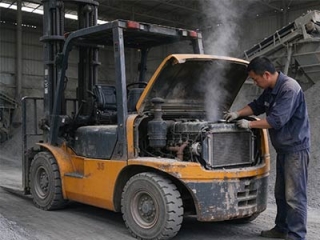 Heavy-Duty Diesel Forklift High Temperature Troubleshooting Guide3.5t diesel forklifts often overheat when handling sand and stone. Inspect cooling system step by step: radiator, belt, shroud, thermostat and water pump.
Do you like ?0
Read more








