
How To Calibrate Weighing Pallet Jack, Fix Inaccurate Readings & Weight Drift
Many workshops and warehouses use weighing pallet jack and weighing hydraulic pallet truck for stock counting and shipment weighing. Unstable readings and obvious weight errors often disturb account checking, batching and outbound calculation. Mastering the calibration method helps resolve most weighing anomalies quickly.
Complete pre-inspection before calibration to rule out non-setup interference. Clear stones and debris stuck between wheels and fork gaps, which cause uneven force. Place the whole truck on flat, solid concrete ground; soft floors, slopes and potholed areas are not qualified for calibration. Check if sensor wires are loose or damaged. Low battery power also leads to reading drift. Finish these basic checks before starting calibration for your weighing pallet jack.
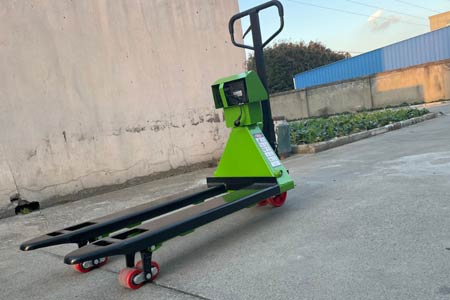
Prepare certified standard weights, and select weights close to your regular weighing range for better in-site accuracy. Enter the indicator calibration menu following the manual, and perform zero calibration and span calibration in sequence. Zero the weighing hydraulic pallet truck under no load and wait for stable reading. Put standard weights on forks, wait for stable data, input the nominal weight and save parameters to finish basic calibration.
Stick to periodic verification instead of adjusting only after large errors. Weekly spot checks and full monthly calibration are recommended for high-frequency operations. Increase inspection frequency for humid and dusty environments. Keep calibration records for error tracking and early detection of component aging of your weighing pallet jack.
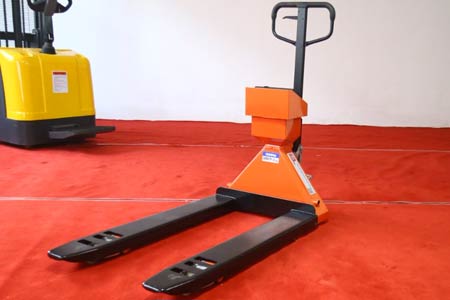
Understand allowable tolerance. Minor deviations within specification do not require repeated adjustment. If readings still jump and errors exceed limits after calibration, the issue usually comes from aging load cells, deformed support points or faulty indicators. Repeating calibration will not work and spare parts replacement is needed on the weighing hydraulic pallet truck.
Contact us for standard weighing SOP or model-specific calibration guidance if you need technical support for your scale pallet truck.
-
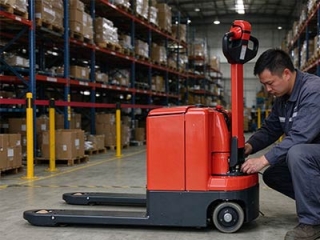 Maintenance Notes for Double Pallet Truck Under Heavy Warehouse LoadsOperators often ignore abnormal motor noise of double pallet trucks during rush orders. Continuous operation burns motors. Timely maintenance prevents failures.
Do you like ?0
Read more -
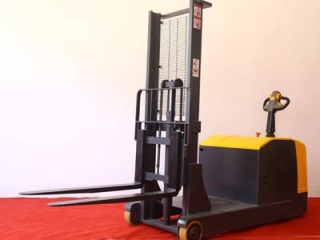 How to Get Accurate Quotations for Stand-on Counterbalance StackerStand-on counterbalance stackers rely on rear weight for stability and cost more. Battery, load, lift height and custom options affect final quotations.
Do you like ?0
Read more -
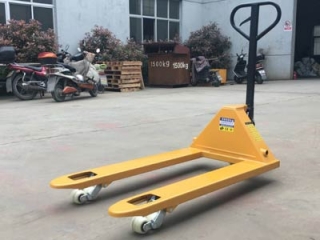 Manual Stacker Vs Pallet Jack: Key Operational Function DifferencesNew buyers confuse manual pallet trucks and manual stackers. They differ in lifting function. Pallet trucks for transfer, stackers for racking to avoid risks.
Do you like ?0
Read more -
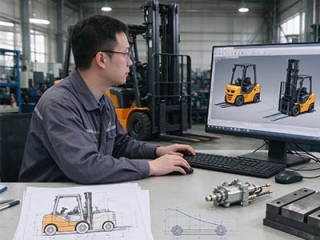 Custom Forklift Dimensions for Export to Fit Narrow Warehouse AislesForklift export faces size risks. Overseas orders may fail door, container or aisle fit. Customization needs balance of gravity, load and target market certifications.
Do you like ?0
Read more -
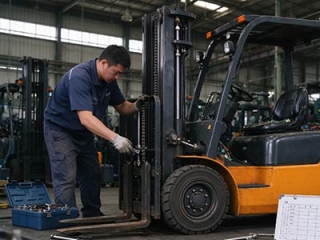 Forklift Safety Management Guide Based on Special Equipment SpecificationsForklifts are special equipment. Follow TSG 81 with training, records, inspection and on-site control to prevent accidents and penalties.
Do you like ?0
Read more -
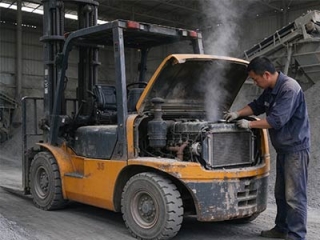 Heavy-Duty Diesel Forklift High Temperature Troubleshooting Guide3.5t diesel forklifts often overheat when handling sand and stone. Inspect cooling system step by step: radiator, belt, shroud, thermostat and water pump.
Do you like ?0
Read more








