
Difference Between Electric Self-loading Stacker and Truck Mounted Forklift
Many buyers get confused when choosing loading equipment for trucks. If you want to know the difference between electric self-loading stacker and truck mounted forklift, these two machines are both used for vehicle loading, yet they differ greatly in structure, load capacity and operation method. Wrong selection will limit your work efficiency.
The self-loading stacker has built-in supporting frames. It can lift cargo independently on the ground without support from the truck bed and can be transported together with the vehicle. Compact and lightweight, it can be operated by one person and moves flexibly in narrow spaces for medium and light cargo.
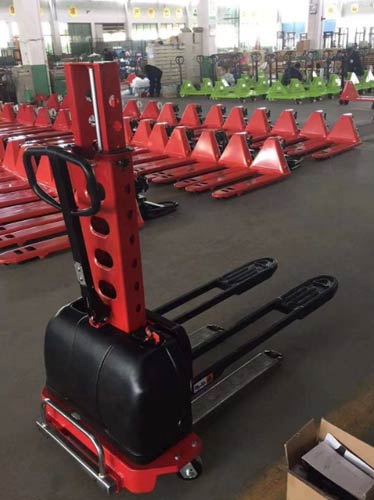
Its biggest advantage is no modification required for trucks. Ordinary trucks can carry it, and transfer is convenient. It is mainly used for loose boxes loading and unloading. Its rated load is generally small, and it is not designed for high stacking tasks.
A truck mounted forklift is fixed or hung at the rear of the truck and works with vehicle structures. Some models need truck refitting. Its forks can reach directly into the container, suitable for fast loading of palletized goods in bulk. It has more load options, and certain models support short-distance transport and stacking.
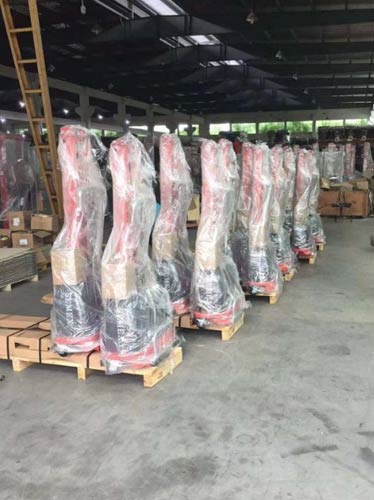
However, it has strict requirements on truck chassis. You need to confirm compliance of refitting in advance. Its heavy weight will occupy part of the truck’s load limit.
For application scenarios, choose truck mounted self-loading stacker if you only do simple loading work, frequently switch different trucks and handle light goods. If you use fixed trucks to load a large number of pallets and need stacking function, a truck mounted forklift is better.
You also need to check ground conditions. Heavy truck mounted forklifts cannot work safely on soft ground. Operator certification and spare parts supply should also be considered. Tell us your cargo weight, truck type and working environment if you need professional recommendation.
-
 Maintenance Notes for Double Pallet Truck Under Heavy Warehouse LoadsOperators often ignore abnormal motor noise of double pallet trucks during rush orders. Continuous operation burns motors. Timely maintenance prevents failures.
Do you like ?0
Read more -
 How to Get Accurate Quotations for Stand-on Counterbalance StackerStand-on counterbalance stackers rely on rear weight for stability and cost more. Battery, load, lift height and custom options affect final quotations.
Do you like ?0
Read more -
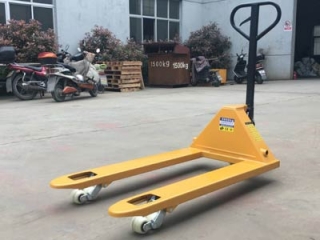 Manual Stacker Vs Pallet Jack: Key Operational Function DifferencesNew buyers confuse manual pallet trucks and manual stackers. They differ in lifting function. Pallet trucks for transfer, stackers for racking to avoid risks.
Do you like ?0
Read more -
 Custom Forklift Dimensions for Export to Fit Narrow Warehouse AislesForklift export faces size risks. Overseas orders may fail door, container or aisle fit. Customization needs balance of gravity, load and target market certifications.
Do you like ?0
Read more -
 Forklift Safety Management Guide Based on Special Equipment SpecificationsForklifts are special equipment. Follow TSG 81 with training, records, inspection and on-site control to prevent accidents and penalties.
Do you like ?0
Read more -
 Heavy-Duty Diesel Forklift High Temperature Troubleshooting Guide3.5t diesel forklifts often overheat when handling sand and stone. Inspect cooling system step by step: radiator, belt, shroud, thermostat and water pump.
Do you like ?0
Read more








