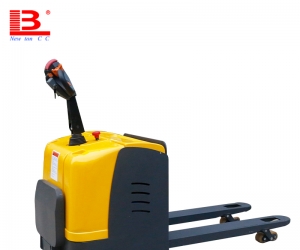
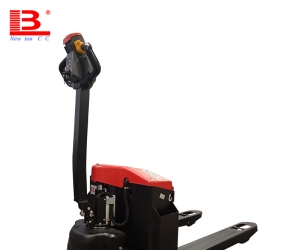
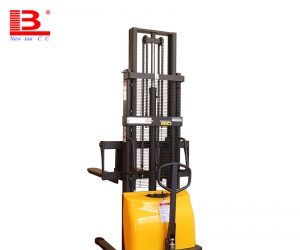
Statistics on light warehousing equipment maintenance from China Forklift Network show over 80% of failures of common faults of semi-electric stacker stem from insufficient daily maintenance and improper operation. Most malfunctions can be prevented in advance. This article sorts typical breakdowns of small electric forklift, analyzes causes and provides simple solutions for warehouse managers and operators.
Motor runs normally, but forks cannot lift Causes: Insufficient hydraulic oil, low relief valve pressure, blocked hydraulic filter. Troubleshooting: Check hydraulic oil level; adjust relief valve pressure; clear impurities inside the oil circuit. Note: Do not repeatedly start the lifting motor without enough hydraulic oil, otherwise the hydraulic pump may suffer permanent damage.
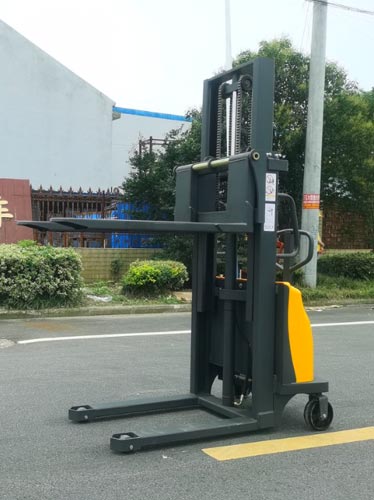
Weak lifting capacity, slow lifting under load Causes: Deteriorated hydraulic oil, internal leakage caused by aging sealing rings, worn valve spool. Suggestions: Replace hydraulic oil regularly; change aged oil seals timely. Inspect hydraulic components annually for heavy-load working conditions.
Forks slide down automatically during lifting Causes: Poor sealing of one-way valve, leakage of cylinder sealing rings. Emergency reminder: Stop stacking goods at height to avoid cargo falling hazards. Arrange inspection for valve assembly and oil cylinder as soon as possible.
Lifting button pressed, the motor fails to start Inspection sequence: Check battery voltage and loose or oxidized wiring terminals; Confirm whether the emergency stop button is accidentally pressed; Test if the micro switch of lifting button is damaged. Tip: The controller triggers low-voltage protection and stops the motor when voltage is below rated value.
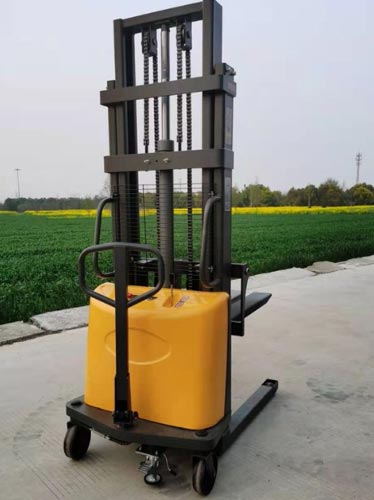
Abnormal noise from lifting motor Causes: Insufficient battery power, worn motor bearings, lack of gear lubrication. Avoid repeated operation to prevent motor coil burnout. Cut off power and carry out inspection immediately.
Fast power consumption and shortened battery endurance Causes: Battery aging, slight circuit leakage, frequent heavy-load lifting. Industry data shows lead-acid batteries generally work for 2–3 years. Replace batteries timely when endurance declines obviously after reaching the service life.
These maintenance operations do not require professional repair technicians. Warehouse administrators can master the skills within minutes. Contact us if you need supporting tutorial videos.
-
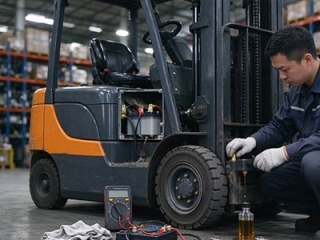 Reliability Of Newnewton Warehouse Forklifts For Heavy-Duty ShiftsWarehouse forklift reliability relies on industrial parts, reinforced frames and factory durability tests. Proper operation and maintenance reduce unexpected downtime.
Do you like ?0
Read more -
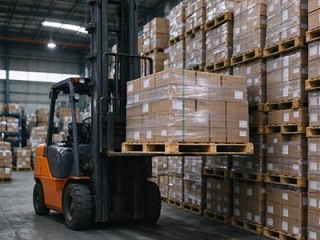 Forklift Configuration Strategy For Dense Warehousing, Warehouse ForkliftDense warehousing needs matched forklifts besides racks. Reach and trilateral stackers fit different layouts, coordinate aisle, load curve and floor for smooth handling.
Do you like ?0
Read more -
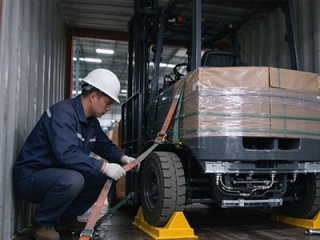 Full Container Supply For Export Forklifts, Forklift ManufacturerBulk forklift orders for overseas can ship by FCL or LCL. Newnewton FCL offers stable freight, safer packing and mixed models for large purchases.
Do you like ?0
Read more -
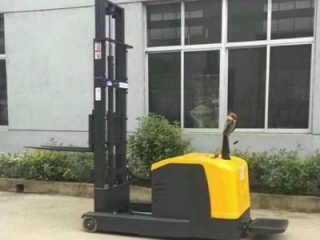 Stand-on Reach Stacker For Narrow Aisle Stacking, Mast Reach StructureStand-on reach stackers feature sliding masts that stay outside racks. They boost storage density in narrow aisles and require flat floors and standard pallets.
Do you like ?0
Read more -
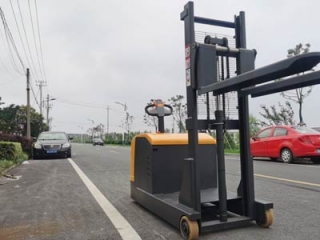 Stand-on Counterbalance Stacker For Various Pallets, Why No Leg RestrictionCounterbalance stackers have no front outriggers, using rear counterweight to avoid pallet interference. They fit various odd pallets yet need wider warehouse aisles.
Do you like ?0
Read more -
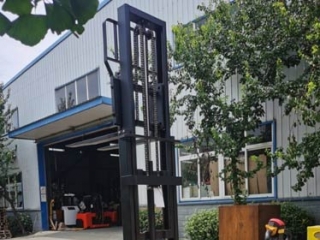 Custom Walk-Behind Counterbalance Stacker | Non-Standard ModificationsStandard walk-behind counterbalance stackers struggle with non-standard pallets and tight aisles. Customize load, lift, forks and structure, share working conditions for safe design.
Do you like ?0
Read more