
Advantages of Semi-Electric Self-Loading Stacker for Small Store Cargo Loading
Many small stores have no space to place forklifts, and cargo loading work is labor-intensive. Heavy goods may cause staff sprains and product damage, leading to low handling efficiency. You can solve these problems by learning the advantages of the semi-electric self-loading stacker.
No fixed loading dock required Standard forklifts and loading ramps rely on dedicated loading docks to operate. Most small stores have limited space and cannot build fixed loading platforms. The semi-electric self-loading stacker can be placed directly inside truck containers. It supports cargo lifting with its own outriggers and works for box trucks and flatbed trucks without civil construction limits.
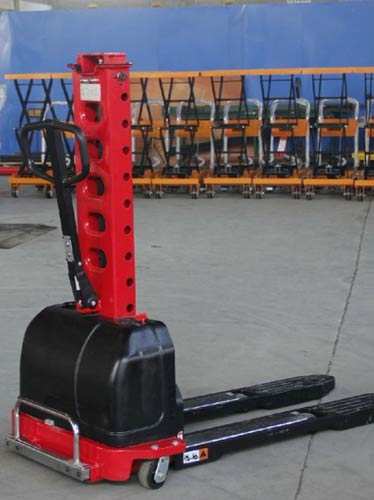
Reduce manual handling workload Traditional unloading in stores needs several workers to carry heavy goods, which consumes much labor and raises labor costs. The lifting function of the semi-electric self-loading stacker runs electrically. Only one worker is needed to push and pull pallets. It cuts down staffing and labor expenses for retail stores.
Compact and space-saving Small store warehouses and truck cabins have limited space and cannot accommodate large warehouse equipment. The semi-electric self-loading stacker features a compact structure. It can be stored in the corner of the truck when idle and travels with delivery vehicles. One machine supports both transportation and loading tasks.
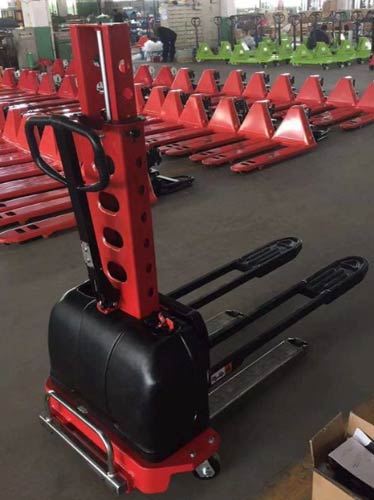
Suitable for medium and light goods in retail stores Most daily goods of small shops are light or medium weight. The load capacity of the semi-electric self-loading stacker fits such working conditions. It delivers stable lifting with little shaking during operation. Cartons, bagged goods and small building materials can be transferred smoothly to reduce cargo damage.
In summary, the small store cargo loading self-loading stacker is convenient and efficient for loading tasks in retail outlets. If you are interested, contact us to get free solutions, demo videos and detailed quotations.
-
 Maintenance Notes for Double Pallet Truck Under Heavy Warehouse LoadsOperators often ignore abnormal motor noise of double pallet trucks during rush orders. Continuous operation burns motors. Timely maintenance prevents failures.
Do you like ?0
Read more -
 How to Get Accurate Quotations for Stand-on Counterbalance StackerStand-on counterbalance stackers rely on rear weight for stability and cost more. Battery, load, lift height and custom options affect final quotations.
Do you like ?0
Read more -
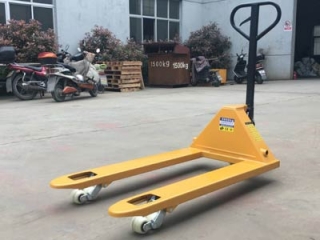 Manual Stacker Vs Pallet Jack: Key Operational Function DifferencesNew buyers confuse manual pallet trucks and manual stackers. They differ in lifting function. Pallet trucks for transfer, stackers for racking to avoid risks.
Do you like ?0
Read more -
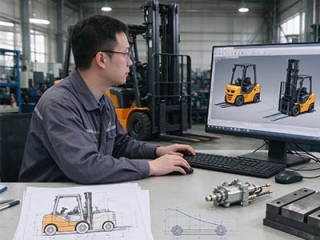 Custom Forklift Dimensions for Export to Fit Narrow Warehouse AislesForklift export faces size risks. Overseas orders may fail door, container or aisle fit. Customization needs balance of gravity, load and target market certifications.
Do you like ?0
Read more -
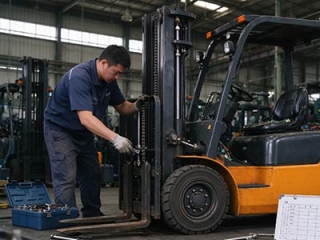 Forklift Safety Management Guide Based on Special Equipment SpecificationsForklifts are special equipment. Follow TSG 81 with training, records, inspection and on-site control to prevent accidents and penalties.
Do you like ?0
Read more -
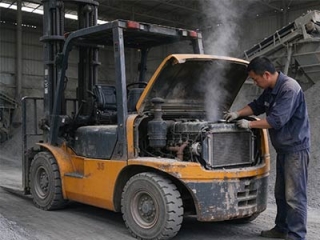 Heavy-Duty Diesel Forklift High Temperature Troubleshooting Guide3.5t diesel forklifts often overheat when handling sand and stone. Inspect cooling system step by step: radiator, belt, shroud, thermostat and water pump.
Do you like ?0
Read more








