
Stand-on Full Electric Stacker Quotation Lead-acid VS Lithium Brushless Model
If you need flexible stacking equipment to boost warehouse productivity, you may wonder How Much Is Small Electric Stacker. The stand-on design works excellently in narrow aisles and offers multiple options in load capacity, lifting height and battery configuration with high overall cost performance. Transparent 2026 factory prices are listed below for reference.
Quotations compiled based on spot prices released by domestic warehouse equipment manufacturers in 2026:
1 ton capacity, lifting height 2.5–3 m Basic lead-acid model: ¥13,000–15,500 ($1,918–$2,284) Upgraded industrial lithium model: ¥15,000–18,000 ($2,216–$2,659) Application: Light goods, low-level racks, single-shift warehouses within 4 working hours daily.
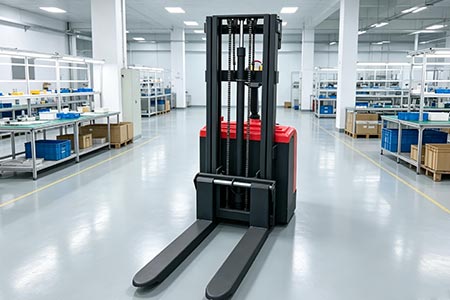
1.5 ton capacity, lifting height 3–3.5 m (mainstream model) Standard lead-acid model: ¥16,000–19,000 ($2,364–$2,806) Standard brushless lithium model: ¥18,500–22,000 ($2,732–$3,249) Application: Regular rack stacking for auto parts, daily chemical and e-commerce raw material warehouses.
2 ton capacity, reinforced mast, lifting height 3–4 m Lead-acid model: ¥20,000–24,000 ($2,954–$3,545) High-spec brushless lithium model: ¥22,500–26,800 ($3,323–$3,960) Application: Heavy goods, two-shift continuous high-frequency inbound & outbound handling.
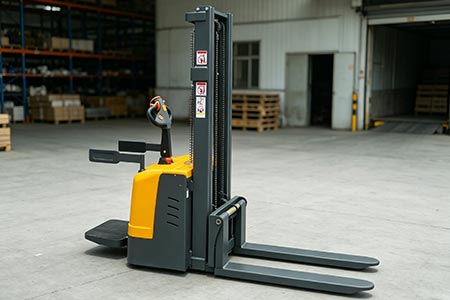
Important Notes: Retail prices from dealers are generally 15%–25% higher than ex-factory prices. Triple-stage mast is required for lifting heights over 3.5m, costing an extra ¥1,000–3,000 ($148–$443). Fork side shift costs an additional ¥2,000 ($295). Solid wear-resistant tires, safety guardrails and other optional configurations incur extra charges on demand.
Battery type is a decisive pricing factor: Lead-acid batteries lower initial procurement cost, with service life of 2–3 years and long charging hours. Lithium iron phosphate batteries cost ¥2,000–4,000 ($295–$591) extra, support fast charging and require zero maintenance. Their service life reaches 5–7 years, delivering lower comprehensive operation costs for long-term high-intensity usage.
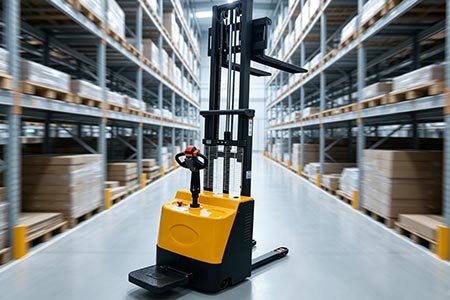
Basic models adopt brushed motors with lower upfront cost. However, carbon brushes are consumable parts; regular replacement causes downtime and extra repair expenses. Brushless motor versions cost ¥1,000–1,800 ($148–$266) more initially, almost eliminating carbon brush maintenance. The price difference can be recovered within 2–3 years of continuous operation.
Warehouse operators can evaluate the Stand-on Full Electric Stacker comprehensively according to daily working duration, operation intensity and handling frequency to select suitable specifications and achieve optimal cost efficiency.
-
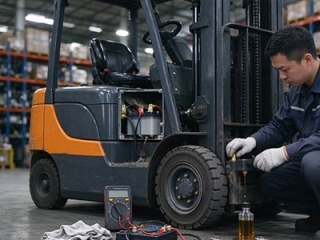 Reliability Of Newnewton Warehouse Forklifts For Heavy-Duty ShiftsWarehouse forklift reliability relies on industrial parts, reinforced frames and factory durability tests. Proper operation and maintenance reduce unexpected downtime.
Do you like ?0
Read more -
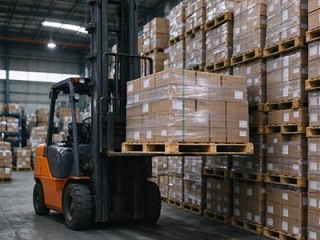 Forklift Configuration Strategy For Dense Warehousing, Warehouse ForkliftDense warehousing needs matched forklifts besides racks. Reach and trilateral stackers fit different layouts, coordinate aisle, load curve and floor for smooth handling.
Do you like ?0
Read more -
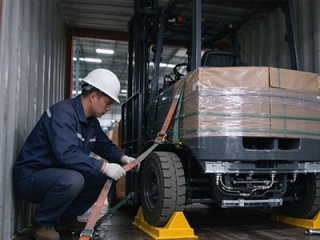 Full Container Supply For Export Forklifts, Forklift ManufacturerBulk forklift orders for overseas can ship by FCL or LCL. Newnewton FCL offers stable freight, safer packing and mixed models for large purchases.
Do you like ?0
Read more -
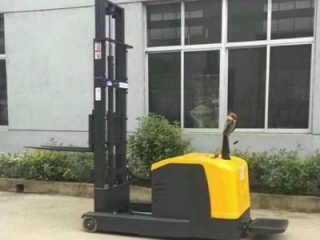 Stand-on Reach Stacker For Narrow Aisle Stacking, Mast Reach StructureStand-on reach stackers feature sliding masts that stay outside racks. They boost storage density in narrow aisles and require flat floors and standard pallets.
Do you like ?0
Read more -
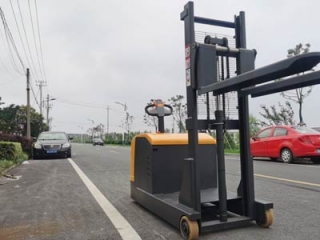 Stand-on Counterbalance Stacker For Various Pallets, Why No Leg RestrictionCounterbalance stackers have no front outriggers, using rear counterweight to avoid pallet interference. They fit various odd pallets yet need wider warehouse aisles.
Do you like ?0
Read more -
 Custom Walk-Behind Counterbalance Stacker | Non-Standard ModificationsStandard walk-behind counterbalance stackers struggle with non-standard pallets and tight aisles. Customize load, lift, forks and structure, share working conditions for safe design.
Do you like ?0
Read more








