
The stand-on reach electric stacker is core equipment for narrow aisles and high-bay warehouses. With extendable mast and flexible turning performance, this full electric reach forklift is widely used in e-commerce warehouses, factory storage and cold-chain scenarios.
Due to frequent mast extension and retraction, reach stackers bear heavier hydraulic load and component wear than ordinary forklifts. Without standard maintenance, problems such as weak lifting and mast shaking will occur easily. Here are 3 key wear-part maintenance solutions.
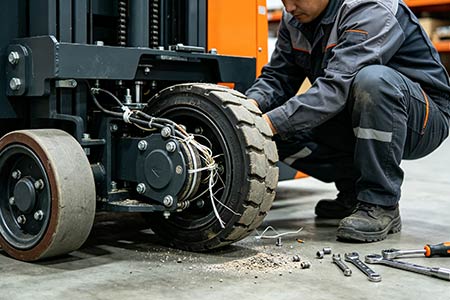
Wheel and traveling system The wheel system includes drive wheels, load wheels and side stabilizer wheels. Long-term heavy-load operation and frequent steering cause gradual wear, deformation and jamming.
Common failures include traveling deviation, body shaking, turning noise and high-position mast shaking.
Maintenance suggestions: Clean winding debris on wheels before daily operation. Check wheel surface for cracks and eccentric wear. Check wheel shaft fastening screws every week to avoid loose connection. Test wheel wear clearance monthly. Replace over-worn wheels in time. Choose PU wheels for epoxy floors and thickened nylon wheels for rough cement ground.
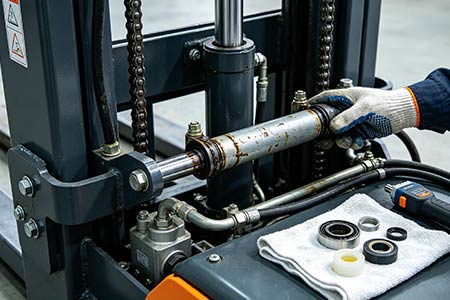
Hydraulic sealing system The hydraulic system supports mast extending, lifting and lowering. Under high-frequency and high-pressure working conditions, oil seals and hydraulic tubes are prone to aging and leakage.
Common failures include slow lifting, automatic fork sinking and hydraulic pressure loss.
Maintenance suggestions: Regularly check cylinder surface for scratches and oil seepage. Keep hydraulic oil clean. Replace standard hydraulic oil on schedule according to working frequency. Renew oil seal kits once slight leakage appears. Fasten hydraulic joints regularly to prevent oil inlet dust and leakage.
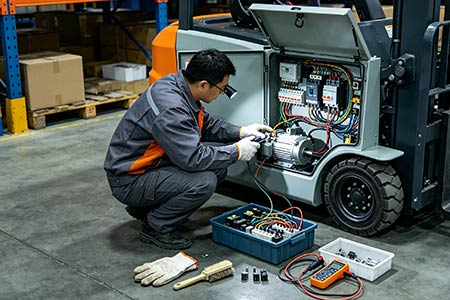
Electrical carbon brushes and connectors Full electric reach stackers feature frequent start and stop. Motor carbon brushes suffer continuous friction loss. Circuit connectors are easily oxidized by vibration and moisture.
Common failures include intermittent power failure, unstable lifting and poor contact errors.
Maintenance suggestions: Check motor carbon brush wear quarterly and replace worn parts to protect motor rotor. Clean dust on wiring terminals and keep plugs dry. Check cable skin for damage and loose lines to avoid short circuit. Strengthen circuit protection in humid warehouses to prevent oxidation failure.
Standard daily maintenance greatly extends the service life of stand-on reach electric stacker and reduces failure rate. If you have any technical questions or customized equipment demands, feel free to contact us for professional support.
-
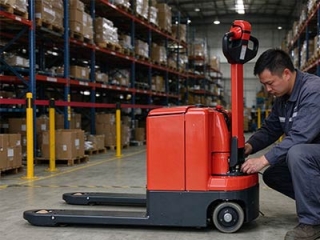 Maintenance Notes for Double Pallet Truck Under Heavy Warehouse LoadsOperators often ignore abnormal motor noise of double pallet trucks during rush orders. Continuous operation burns motors. Timely maintenance prevents failures.
Do you like ?0
Read more -
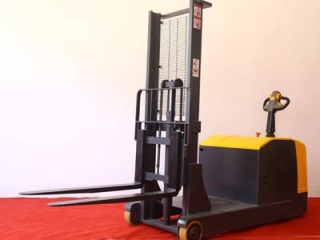 How to Get Accurate Quotations for Stand-on Counterbalance StackerStand-on counterbalance stackers rely on rear weight for stability and cost more. Battery, load, lift height and custom options affect final quotations.
Do you like ?0
Read more -
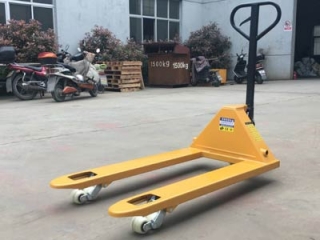 Manual Stacker Vs Pallet Jack: Key Operational Function DifferencesNew buyers confuse manual pallet trucks and manual stackers. They differ in lifting function. Pallet trucks for transfer, stackers for racking to avoid risks.
Do you like ?0
Read more -
 Custom Forklift Dimensions for Export to Fit Narrow Warehouse AislesForklift export faces size risks. Overseas orders may fail door, container or aisle fit. Customization needs balance of gravity, load and target market certifications.
Do you like ?0
Read more -
 Forklift Safety Management Guide Based on Special Equipment SpecificationsForklifts are special equipment. Follow TSG 81 with training, records, inspection and on-site control to prevent accidents and penalties.
Do you like ?0
Read more -
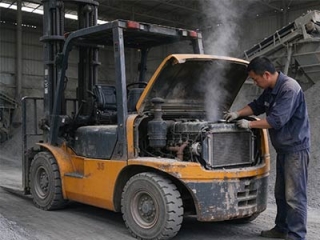 Heavy-Duty Diesel Forklift High Temperature Troubleshooting Guide3.5t diesel forklifts often overheat when handling sand and stone. Inspect cooling system step by step: radiator, belt, shroud, thermostat and water pump.
Do you like ?0
Read more








