
Straddle Electric Stacker Charging Tips | Walk-Behind Straddle Stacker
How to Charge walk-behind straddle stacker Properly? 5 Essential Rules Improper charging of straddle electric stackers may cause battery bulging, reduced endurance, shortened service life and even safety hazards. Both lead-acid and lithium batteries require standardized charging. Below are key straddle electric stacker charging tips:
Control battery level to avoid overcharging and deep discharge Lead-acid battery: Start charging when remaining power reaches 20%–30%. Do not drain the battery completely. Disconnect power promptly after full charge; prolonged floating charging is forbidden. Lithium battery: Prevent discharging below 20%. Full charge to 100% every time is unnecessary. Long-term storage at full power accelerates cell aging. Never store vehicles with low power. Top up the battery if the unit remains idle for more than 3 days.
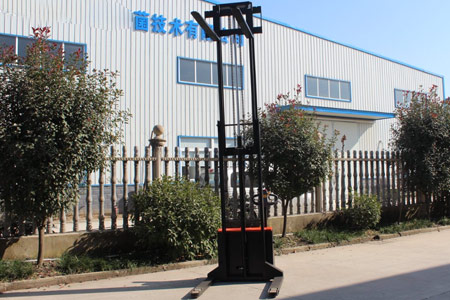
Keep ventilated charging area away from heat and flammables The charging zone must be dry and ventilated, avoid direct sunlight and rain exposure. Optimal ambient temperature: 0℃–35℃. Do not charge in high-temperature workshops or confined narrow spaces. Keep away from cartons, plastic products, fuel and other combustible materials to prevent accidents.
Inspect equipment before charging; do not charge faulty units Check charging plugs and cables for damage, looseness and overheating. Examine battery housing for bulging or liquid leakage. Stop using immediately if abnormalities occur. Shut down the stacker completely before charging. Operating while charging is strictly prohibited. Ensure firm plug connection; poor contact generates high temperature and burns connectors.
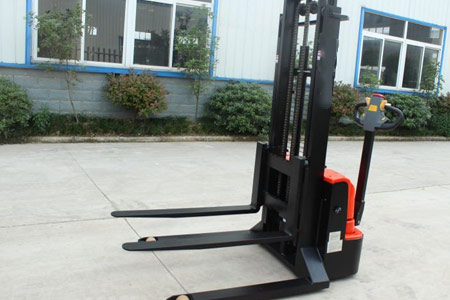
Use original charger; never mix different chargers Batteries with different voltage and capacity need dedicated chargers. Do not use chargers from other stackers or pallet trucks. Avoid modified fast chargers. High-current charging continuously damages batteries. Do not cover the charger with dust cloths or cartons during operation, which blocks heat dissipation.
Regular top-up maintenance for long-term storage For long idle periods: Charge lead-acid batteries every 30 days; charge lithium batteries to 50%–60% every 45 days for storage. Select dry storage locations and avoid damp and low-temperature environments, which cause excessive self-discharge, plate sulfation and cell failure.
Following these five rules enables proper charging maintenance for walk-behind straddle stacker. Well-maintained equipment achieves longer service life and better cost control. Feel free to contact us for further inquiries.
-
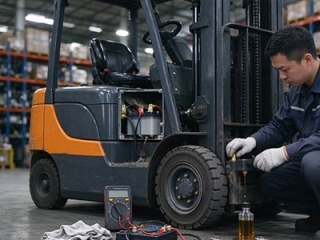 Reliability Of Newnewton Warehouse Forklifts For Heavy-Duty ShiftsWarehouse forklift reliability relies on industrial parts, reinforced frames and factory durability tests. Proper operation and maintenance reduce unexpected downtime.
Do you like ?0
Read more -
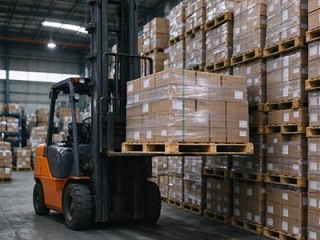 Forklift Configuration Strategy For Dense Warehousing, Warehouse ForkliftDense warehousing needs matched forklifts besides racks. Reach and trilateral stackers fit different layouts, coordinate aisle, load curve and floor for smooth handling.
Do you like ?0
Read more -
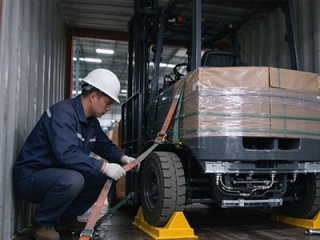 Full Container Supply For Export Forklifts, Forklift ManufacturerBulk forklift orders for overseas can ship by FCL or LCL. Newnewton FCL offers stable freight, safer packing and mixed models for large purchases.
Do you like ?0
Read more -
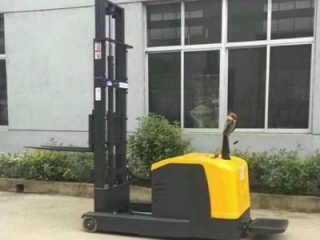 Stand-on Reach Stacker For Narrow Aisle Stacking, Mast Reach StructureStand-on reach stackers feature sliding masts that stay outside racks. They boost storage density in narrow aisles and require flat floors and standard pallets.
Do you like ?0
Read more -
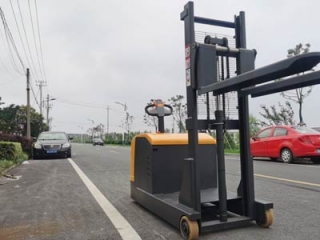 Stand-on Counterbalance Stacker For Various Pallets, Why No Leg RestrictionCounterbalance stackers have no front outriggers, using rear counterweight to avoid pallet interference. They fit various odd pallets yet need wider warehouse aisles.
Do you like ?0
Read more -
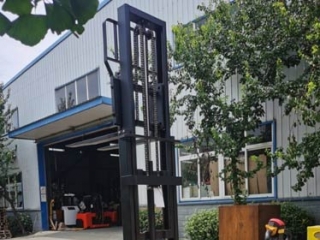 Custom Walk-Behind Counterbalance Stacker | Non-Standard ModificationsStandard walk-behind counterbalance stackers struggle with non-standard pallets and tight aisles. Customize load, lift, forks and structure, share working conditions for safe design.
Do you like ?0
Read more








