
Weak Lifting Fault Of Straddle Stacker Step-by-step Troubleshooting
Many warehouse owners encounter weak lifting issues on the Walk-behind Full Electric Straddle Stacker: it lifts empty forks smoothly but struggles or fails to fully rise with loads. The root cause is insufficient hydraulic pressure. Inspect faults from simple to complex as below.
1. Electrical Causes
Low battery power: Voltage drops sharply when the hydraulic motor starts, slowing the pump and reducing pressure. Fully charge the battery before testing.

Burned lift contactor contacts: Limited current supply weakens motor output and hydraulic pressure.
Broken coupling rubber pad: The motor spins alone without driving the gear pump, failing to reach rated pressure.
2. Hydraulic System Inspection
Hydraulic oil & suction filter: Low oil level, deteriorated emulsified oil or clogged filter makes the pump suck air. Refill oil, clean the filter or replace all hydraulic fluid if contaminated.
Malfunctioning relief valve (common fault): Dirt stuck spool or weakened spring causes early pressure release. Disassemble, clean and recalibrate; replace the valve if the spring fails.

External pipeline leakage: Cracked hoses or loose fittings drain high-pressure oil. Tighten joints and replace damaged tubes.
Internal cylinder leakage: Worn piston seals let oil circulate inside the cylinder, leading to slow lifting and automatic fork sinking. Disassemble the cylinder and replace all seals.
Worn gear pump: Excessive internal clearance causes internal leakage. Replace the pump only after all above checks are completed.
3. Mechanical Resistance Problems

Rusty mast rollers or dry guide rails create heavy lifting resistance.
Uneven tension on two lifting chains causes jamming on one side.
Long-term overloading triggers frequent relief valve pressure release.
Follow this troubleshooting sequence to avoid unnecessary expensive part replacement, cut maintenance costs and reduce downtime. If the Weak Lifting Fault Of Straddle Stacker persists after full inspection, contact professional technicians to prevent secondary equipment damage.
-
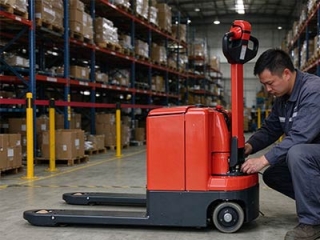 Maintenance Notes for Double Pallet Truck Under Heavy Warehouse LoadsOperators often ignore abnormal motor noise of double pallet trucks during rush orders. Continuous operation burns motors. Timely maintenance prevents failures.
Do you like ?0
Read more -
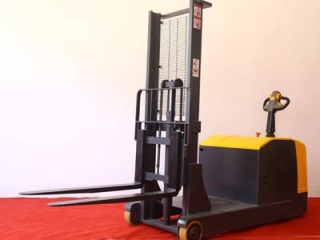 How to Get Accurate Quotations for Stand-on Counterbalance StackerStand-on counterbalance stackers rely on rear weight for stability and cost more. Battery, load, lift height and custom options affect final quotations.
Do you like ?0
Read more -
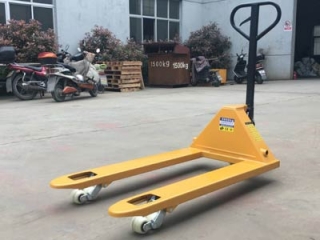 Manual Stacker Vs Pallet Jack: Key Operational Function DifferencesNew buyers confuse manual pallet trucks and manual stackers. They differ in lifting function. Pallet trucks for transfer, stackers for racking to avoid risks.
Do you like ?0
Read more -
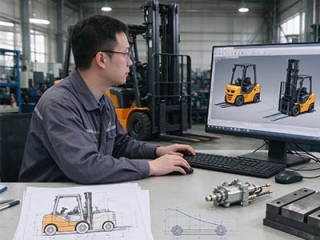 Custom Forklift Dimensions for Export to Fit Narrow Warehouse AislesForklift export faces size risks. Overseas orders may fail door, container or aisle fit. Customization needs balance of gravity, load and target market certifications.
Do you like ?0
Read more -
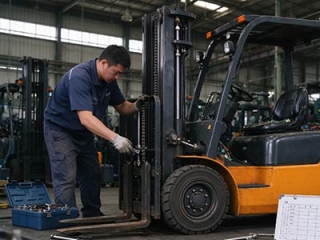 Forklift Safety Management Guide Based on Special Equipment SpecificationsForklifts are special equipment. Follow TSG 81 with training, records, inspection and on-site control to prevent accidents and penalties.
Do you like ?0
Read more -
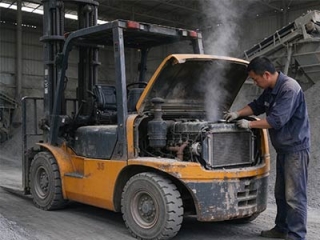 Heavy-Duty Diesel Forklift High Temperature Troubleshooting Guide3.5t diesel forklifts often overheat when handling sand and stone. Inspect cooling system step by step: radiator, belt, shroud, thermostat and water pump.
Do you like ?0
Read more








