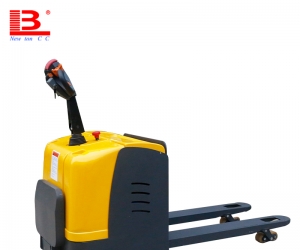
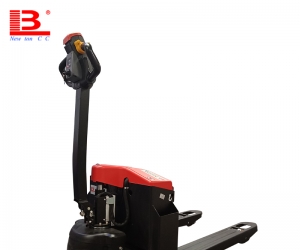
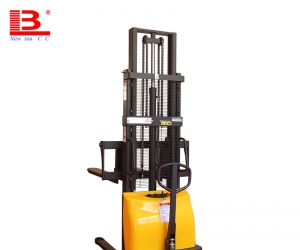
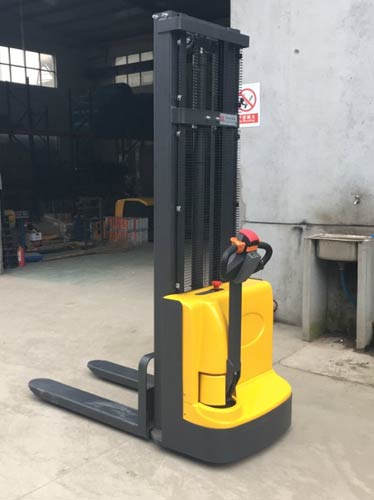
Warehouse managers often get attracted by ultra-low quotations when inquiring about the price of 1.5 ton walkie electric stacker. After delivery, they find out that parameters are falsified, configurations are cut down, and extra after-sales fees pop up. Learn these key points to avoid common procurement pitfalls.
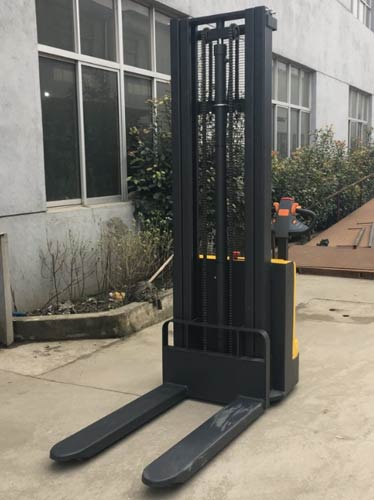
Do not only focus on the 1.5-ton load capacity. Confirm the rated load corresponds to the lifting height. Many low-cost models only reach 1.5 tons at low lifting positions. The actual load capacity drops sharply when lifting goods to high racks. Check mast steel thickness and lifting chain quality. Thin masts will shake and deform under long-term full loads, causing safety risks.
Battery quality decides long-term operating costs. Tell lead-acid batteries apart from lithium batteries, and verify real battery capacity. Some suppliers fit refurbished cells or falsely marked batteries. These batteries lose power quickly and break down frequently, leading to high replacement costs later. Ask suppliers to write down battery brand, specification and warranty period on the quotation instead of oral promises.
Figure out the full scope of the quotation and watch out for hidden charges. Many quotes only include the main machine. Chargers, special wheels, freight and on-site commissioning are charged separately. Confirm the full delivery list before signing the contract. List all standard and optional accessories in writing to prevent unexpected extra costs after placing the order.
Check supplier qualifications and after-sales support first. Direct manufacturers offer faster repair response and stable spare parts supply. Traders always delay maintenance and keep customers waiting long for parts. Confirm warranty duration and fault response time in advance. Do not buy assembled machines without complete compliance documents.
Select the model according to actual warehouse working conditions. For narrow aisle warehouses, check overall width and turning radius. For sloped floors, confirm drive wheel material and climbing performance. Provide regular pallet sizes to make sure fork length and adjustable spacing fit cargo perfectly.
How much does a walking electric stacker cost? Compare quotations based on identical configurations rather than just prices. A balanced plan covering configuration, quality and after-sales service will cut long-term maintenance expenses. Contact us to get customized solutions for 1.5 ton walkie electric stacker selection and price inquiry.
-
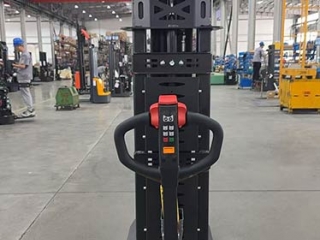 Battery Capacity Of Electric Self-loading Lift Truck: Lithium Version GuideBattery capacity alone cannot decide the runtime of lithium electric self-loading trucks. Match battery specs with load, lifting times and working intensity.
Do you like ?0
Read more -
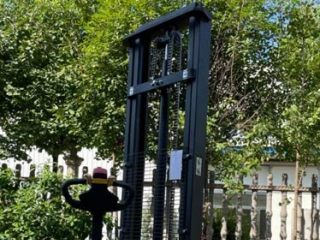 4 Suitable Scenarios For Rider Electric Double Pallet StackerRider double-pallet stacker carries two pallets for high-turnover warehouses. Not fit for narrow aisles or rough ground, check site data before selection.
Do you like ?0
Read more -
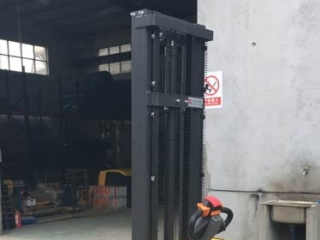 How Much Is A 1.5 Ton Walkie Electric Stacker?Avoid low-price traps for 1.5t walkie electric stackers. Verify load, battery, quotation and factory qualification, select based on warehouse conditions.
Do you like ?0
Read more -
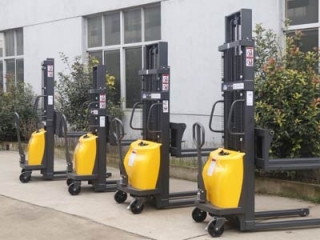 What To Do When Semi-Electric Stacker Runs Out Of PowerSemi-electric stacker power failure risks cargo drop. Set warning, release pressure manually to lower forks, troubleshoot and repair before reuse.
Do you like ?0
Read more -
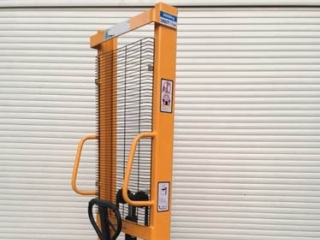 How To Select Narrow Aisle Manual Hydraulic Stacker: 4 Key PointsManual hydraulic stackers suit narrow aisles. Check aisle width, load, lifting height, forks and wheels, and maintain regularly for safe warehouse stacking.
Do you like ?0
Read more -
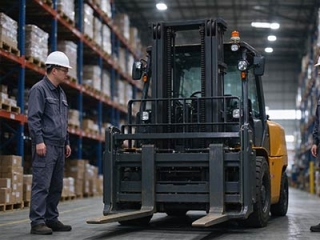 How to Select Attachment Specs for Heavy Duty Diesel ForkliftsAdding attachments to large-tonnage IC forklifts changes load center and reduces capacity. Check load center distance, oil interface, space and sight to confirm safe load.
Do you like ?0
Read more