
Walkie Counterbalance Stacker | Price Factors & Procurement Guide
Price is a major consideration when purchasing stackers. Quotations of walkie counterbalance stacker vary widely in the market. You can avoid procurement risks by analyzing three core factors that affect pricing. This article introduces these factors for your reference.
Load Capacity and Lifting Height Higher rated load capacity and mast lifting height require more materials and stricter manufacturing standards, pushing up costs. High-lift stacking involves load capacity attenuation, so high-mast models adopt upgraded structural design and carry higher prices. Do not only focus on nominal load; confirm the effective load capacity at your target lifting height.
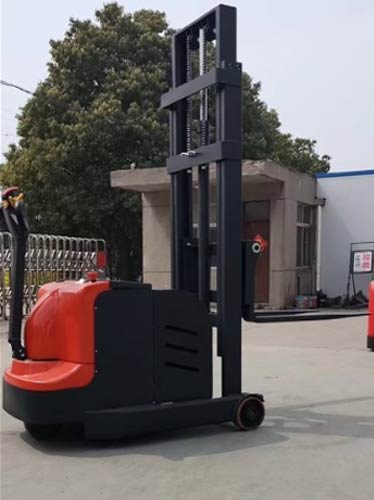
Battery Configuration Two mainstream options are lead-acid batteries and lithium batteries. Lead-acid batteries feature lower initial investment, suitable for single-shift and low-frequency operation. Lithium batteries have longer service life, support fast charging and require minimal maintenance, ideal for multi-shift continuous work with higher upfront costs. Daily working hours determine battery selection and greatly affect quotation differences.
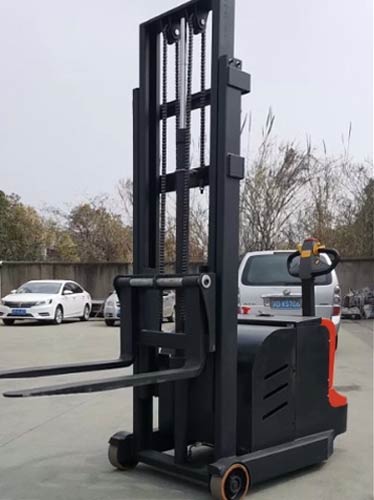
Optional Accessories and Custom Requirements Standard models have fixed prices, while extra options will increase your budget. Common selections include wider forks, mast side shift, speed limiter, anti-corrosion treatment and customized dimensions. Customized models for special working conditions require longer production lead time and are more expensive than standard in-stock units.
In summary, uneven pricing of walkie counterbalance electric stacker is a common headache for buyers. Simple price comparison cannot distinguish quality. Low-cost models usually cut hardware standards, leading to higher maintenance expenses in the long run. To control your budget reasonably, take the three key factors above and select suitable models according to your actual warehouse working conditions.
-
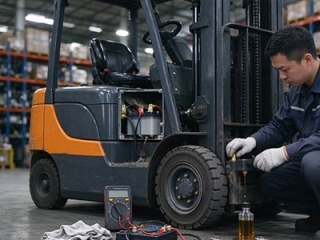 Reliability Of Newnewton Warehouse Forklifts For Heavy-Duty ShiftsWarehouse forklift reliability relies on industrial parts, reinforced frames and factory durability tests. Proper operation and maintenance reduce unexpected downtime.
Do you like ?0
Read more -
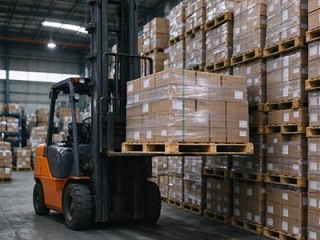 Forklift Configuration Strategy For Dense Warehousing, Warehouse ForkliftDense warehousing needs matched forklifts besides racks. Reach and trilateral stackers fit different layouts, coordinate aisle, load curve and floor for smooth handling.
Do you like ?0
Read more -
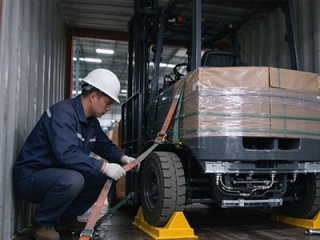 Full Container Supply For Export Forklifts, Forklift ManufacturerBulk forklift orders for overseas can ship by FCL or LCL. Newnewton FCL offers stable freight, safer packing and mixed models for large purchases.
Do you like ?0
Read more -
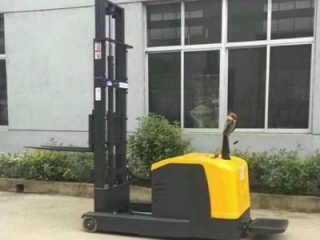 Stand-on Reach Stacker For Narrow Aisle Stacking, Mast Reach StructureStand-on reach stackers feature sliding masts that stay outside racks. They boost storage density in narrow aisles and require flat floors and standard pallets.
Do you like ?0
Read more -
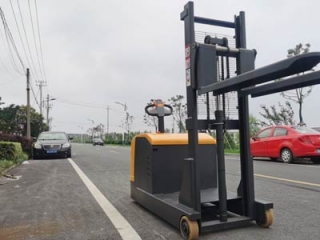 Stand-on Counterbalance Stacker For Various Pallets, Why No Leg RestrictionCounterbalance stackers have no front outriggers, using rear counterweight to avoid pallet interference. They fit various odd pallets yet need wider warehouse aisles.
Do you like ?0
Read more -
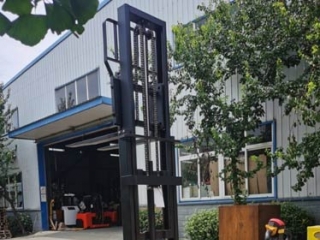 Custom Walk-Behind Counterbalance Stacker | Non-Standard ModificationsStandard walk-behind counterbalance stackers struggle with non-standard pallets and tight aisles. Customize load, lift, forks and structure, share working conditions for safe design.
Do you like ?0
Read more








