
What should be paid attention to when unloading electric forklifts?
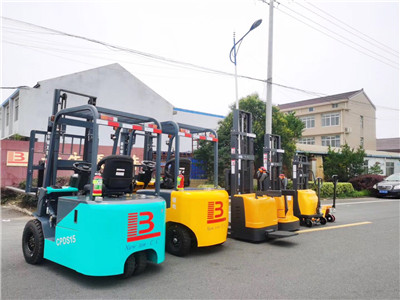
The main purpose of electric forklifts is to transport goods, but before transporting goods, operators must pay attention to many issues, such as the placement of goods when loading and unloading, because we all know that if there is a problem with the placement of goods, most of it will happen Security issues. But in addition, our staff should pay attention to many aspects. Next, let's take a look at what issues need to be paid attention to when loading and unloading. I hope that all drivers can study hard.
No one is allowed to stand on the forklift when the electric forklift is in operation. And when using forks to fork goods, the driver should pay attention to the fork tip not to touch other goods or objects, so as to avoid damage to the goods. The correct way of opening should be to fork the forks as deep as possible under the goods, and then adjust the distance between the two forks as required to fork the load, so that the load of the two forks is balanced and not skewed.
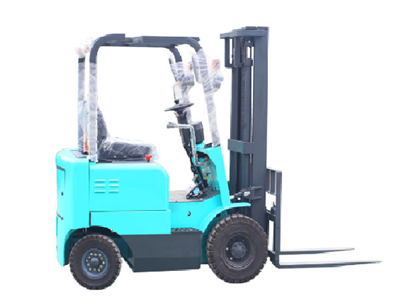
The brake must be used to brake the electric forklifts during operation, and the loading and unloading forklift must not be used to brake inertially to place items. When lowering the load, make the mast slightly tilt forward, so as to facilitate the placement of the forklift. Use a small gantry to tilt backwards to stabilize the cargo to prevent the cargo from sliding backwards. It is recommended to put a shelf on one side of the cargo. The weight of the electric forklifts must comply with the regulations of the load center curve sign. Overloading is strictly prohibited.
In addition, we would like to remind everyone not to use single fork operation, which will affect the stability of cargo placement; it is not allowed to fork load cargo directly on the dock shore, and it is forbidden to fork cargo at high speed and collide with hard objects with the fork head to avoid damage to the electric Warehouse forklift.
At any time, in order to avoid falling accidents from heights, forks should not be used to lift staff to work at heights. This prevents staff from standing around the forks and working, and the goods collapse and hurt people. When the forks approach or evacuate items, slow down and move smoothly. During this process, pay attention to the wheels not to crush the object pad, so as not to stretch the crushed object and hurt people. The height of the electric forklift truck should not block the driver's sight to avoid danger.
-
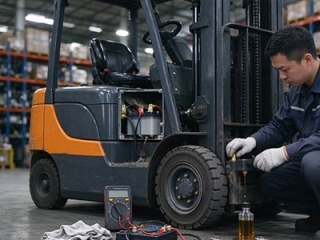 Reliability Of Newnewton Warehouse Forklifts For Heavy-Duty ShiftsWarehouse forklift reliability relies on industrial parts, reinforced frames and factory durability tests. Proper operation and maintenance reduce unexpected downtime.
Do you like ?0
Read more -
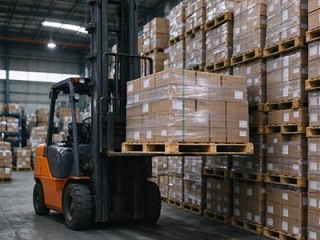 Forklift Configuration Strategy For Dense Warehousing, Warehouse ForkliftDense warehousing needs matched forklifts besides racks. Reach and trilateral stackers fit different layouts, coordinate aisle, load curve and floor for smooth handling.
Do you like ?0
Read more -
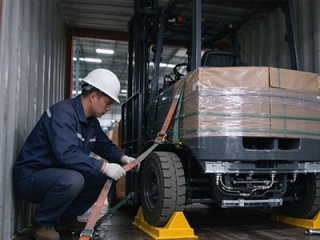 Full Container Supply For Export Forklifts, Forklift ManufacturerBulk forklift orders for overseas can ship by FCL or LCL. Newnewton FCL offers stable freight, safer packing and mixed models for large purchases.
Do you like ?0
Read more -
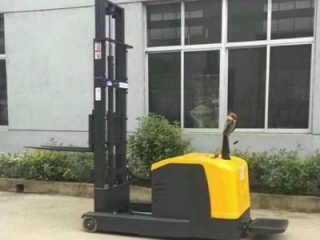 Stand-on Reach Stacker For Narrow Aisle Stacking, Mast Reach StructureStand-on reach stackers feature sliding masts that stay outside racks. They boost storage density in narrow aisles and require flat floors and standard pallets.
Do you like ?0
Read more -
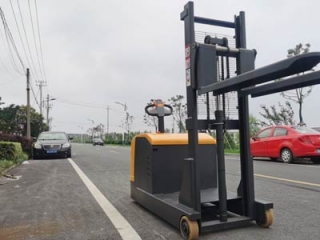 Stand-on Counterbalance Stacker For Various Pallets, Why No Leg RestrictionCounterbalance stackers have no front outriggers, using rear counterweight to avoid pallet interference. They fit various odd pallets yet need wider warehouse aisles.
Do you like ?0
Read more -
 Custom Walk-Behind Counterbalance Stacker | Non-Standard ModificationsStandard walk-behind counterbalance stackers struggle with non-standard pallets and tight aisles. Customize load, lift, forks and structure, share working conditions for safe design.
Do you like ?0
Read more








