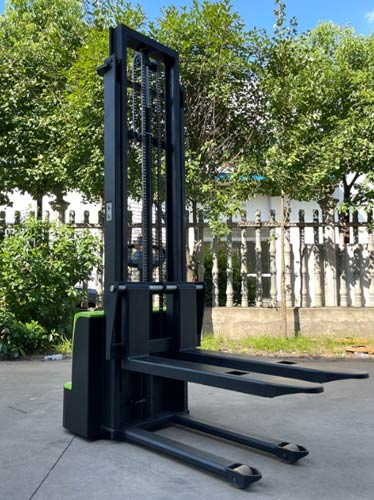
2 Ton Walk-Behind Full Electric Stacker | Full Electric Stacker Operation Guide
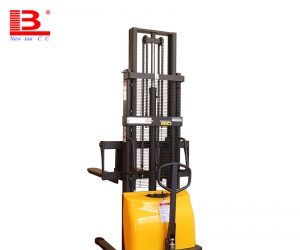
2 ton walk-behind full electric stacker serves as mainstream handling and stacking equipment for small and medium-sized warehouses. Operators relying solely on personal experience may overlook safety details, which can lead to cargo tipping or mast damage. This article introduces a standardized six-step workflow to standardize daily operations.
Pre-operation Inspection
Walk around the stacker before startup. Check drive wheels and load wheels for tangled ropes or gravel. Inspect lifting cylinders for oil leakage. Test lifting and travelling controls on the handle. Check remaining battery power; avoid long-time heavy-load work when power falls below 20%. Examine forks for deformation and cracks.
Fork Alignment with Pallets
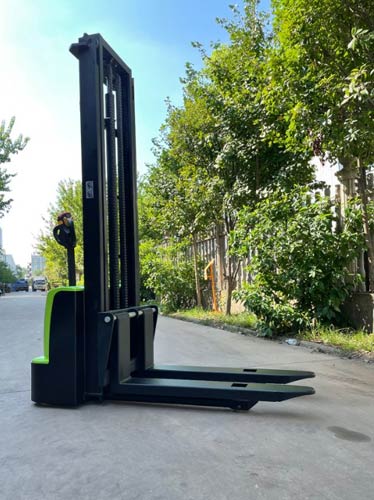
Drive slowly and align forks horizontally with pallet openings. Insert forks fully underneath the pallet and close to pallet beams. Never lift loads with only one side of the forks to prevent tipping from unbalanced load. It is recommended to use standard double-sided pallets of 1.0m and 1.2m.
Smooth Load Lifting
Operate the lifting lever to raise forks gently. Lift the pallet 50–100 mm off the ground for transportation. For high-level stacking, strictly follow the load curve: the higher the lifting height, the lower the allowable load. Overloading is prohibited.
Safe Transit in Warehouse
Walk behind the stacker and maintain safe distance. Reduce speed before turning; sharp turns at high speed are forbidden. Travel straight on ramps and avoid transverse turning. No passengers are allowed on the equipment.
Precise Stacking & Fork Lowering
Drive to the target rack position and straighten the vehicle. Raise forks to the required rack height and push the pallet into place slowly. After confirming stable placement, lower the forks and back out the stacker.
Standard Parking After Operation
After unloading, lower forks to the minimum height and turn off the main power switch. Park on flat ground away from fire exits and main aisles. Charge the battery fully for long-term storage.
This full electric stacker operation guide can be reviewed before using walk-behind stackers. Familiarize yourself with the procedures to ensure safer and more efficient work.
-
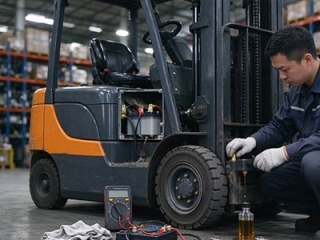 Reliability Of Newnewton Warehouse Forklifts For Heavy-Duty ShiftsWarehouse forklift reliability relies on industrial parts, reinforced frames and factory durability tests. Proper operation and maintenance reduce unexpected downtime.
Do you like ?0
Read more -
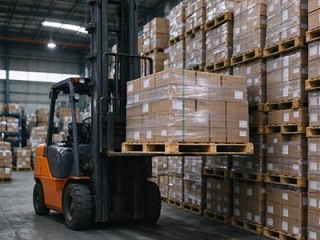 Forklift Configuration Strategy For Dense Warehousing, Warehouse ForkliftDense warehousing needs matched forklifts besides racks. Reach and trilateral stackers fit different layouts, coordinate aisle, load curve and floor for smooth handling.
Do you like ?0
Read more -
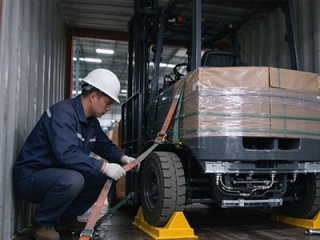 Full Container Supply For Export Forklifts, Forklift ManufacturerBulk forklift orders for overseas can ship by FCL or LCL. Newnewton FCL offers stable freight, safer packing and mixed models for large purchases.
Do you like ?0
Read more -
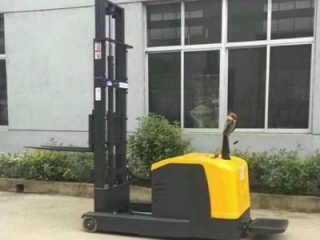 Stand-on Reach Stacker For Narrow Aisle Stacking, Mast Reach StructureStand-on reach stackers feature sliding masts that stay outside racks. They boost storage density in narrow aisles and require flat floors and standard pallets.
Do you like ?0
Read more -
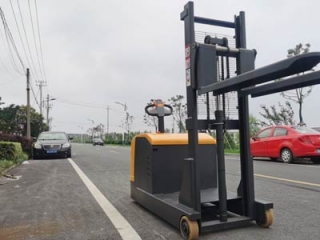 Stand-on Counterbalance Stacker For Various Pallets, Why No Leg RestrictionCounterbalance stackers have no front outriggers, using rear counterweight to avoid pallet interference. They fit various odd pallets yet need wider warehouse aisles.
Do you like ?0
Read more -
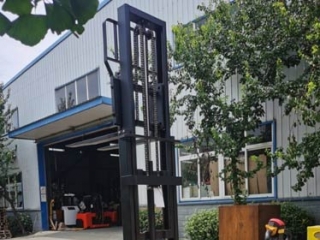 Custom Walk-Behind Counterbalance Stacker | Non-Standard ModificationsStandard walk-behind counterbalance stackers struggle with non-standard pallets and tight aisles. Customize load, lift, forks and structure, share working conditions for safe design.
Do you like ?0
Read more