
How to Locate and Fix Steering Noise on Electric Towing Tractors
Steering noise is a common fault when electric towing tractors work for factory transport and trailer transfer. Many operators simply add lubricant only to find the noise returns soon. To solve it thoroughly, carry out steering noise troubleshooting of electric towing tractor, and perform regular maintenance to reduce recurrence.
Clear clicking sounds when turning the steering wheel usually come from worn or poorly lubricated steering knuckle bearings and pin shafts. Dust builds up over time, wearing bearing balls and widening gaps, which causes impact noise under steering load.
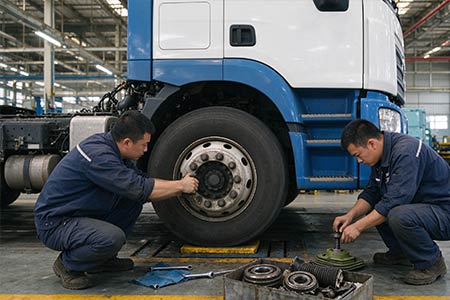
Dull humming friction sounds mainly point to aged or damaged steering limit rubber blocks. Once the rubber fails, metal parts collide directly during steering. Sharp hissing noises synchronized with steering usually mean torn dust boots on tie rod ball joints. Sand and grit get inside and make the ball joint stiff.
Follow the correct sequence for fault handling. Cut off power and park the tractor, lift the front wheels, and turn the steering wheel manually to reproduce the noise. Clean dust and debris around pins and bearings, then apply suitable grease. Replace damaged dust boots instead of only adding oil temporarily. Replace bearings entirely when gaps are excessive or pitting appears on balls. Adjust limit bolts to avoid hard impact from over-steering.
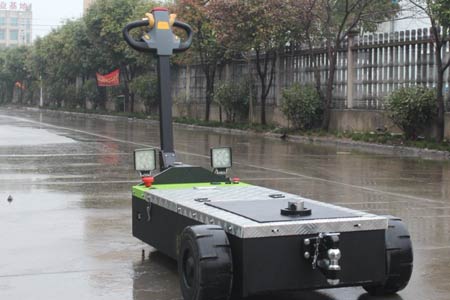
Add steering assemblies to the pre-shift inspection list for prevention. Turn the wheel fully left and right before work to check for strange sounds. Clean and re-grease steering joints weekly in dusty workshops to block sand ingress. Do not hold the wheel at full lock for long periods, which overloads parts and speeds up wear.
Adopt systematic methods for tractor fault handling. Feel free to contact us if you have further questions.
FAQ Q: Can I keep driving with steering noise? A: Low-speed travel to the repair area is allowed for slight noise. Stop operation immediately if noise comes with steering jamming or shaking to avoid steering failure. Q: Why does the noise return shortly after lubrication? A: The dust boot is usually broken. Sand keeps entering, so lubrication alone cannot fix the issue. Replace the dust boot. Q: How to tell motor noise from mechanical steering noise? A: Motor noise is a steady hum regardless of steering angle. Mechanical noise only occurs while turning.
-
 How to Locate and Fix Steering Noise on Electric Towing TractorsElectric tow tractors often have recurring steering noise. Different sounds indicate different damaged parts. Locate faults and maintain properly to avoid repeated issues.
Do you like ?0
Read more -
 Cut Warehouse Aisle Width With 3-Way Electric Stacker for Dense StorageThree-way forklifts rotate forks for side picking without turning. They cut aisle space to 1.6–1.8m and add storage slots for indoor warehouses.
Do you like ?0
Read more -
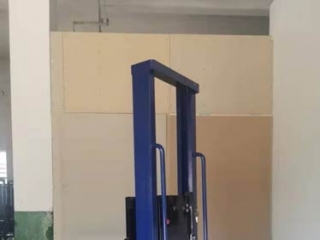 Customized Truck Mounted Forklifts for Limited Truck SpaceElectric self-loading stackers for trunk delivery can be custom-sized to fit truck beds. Core safety parameters like load and counterweight cannot be changed freely.
Do you like ?0
Read more -
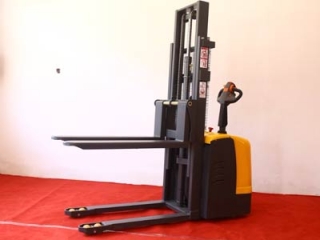 How Does Dual Pallet Electric Stacker Realize Synchronized Fork LiftingElectric double pallet stackers use flow dividers and linkages for synchronized fork lift. Uneven side loads cause height gaps; standard forks move together without separate control.
Do you like ?0
Read more -
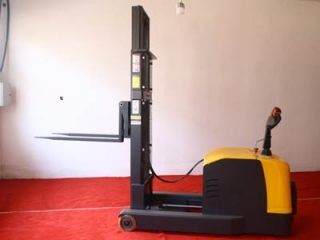 4 Warehouse Scenarios Where Stand-on Reach Stackers ShineStand-on reach stackers reduce stacking aisles for warehouse expansion. Great for high-rack, renovated, transit and double-deep storage scenarios.
Do you like ?0
Read more -
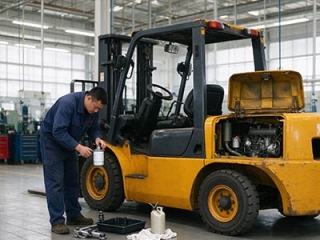 How to Replace Oil Filter for Fuel Diesel Forklift CorrectlyOil filters of diesel forklifts trap impurities. Clogged filters cause power loss and engine damage. Follow working conditions to set replacement cycles.
Do you like ?0
Read more








