
How To Select Narrow Aisle Manual Hydraulic Stacker: 4 Key Points
Warehouse aisles with limited space often cause jamming issues for standard stackers. A properly selected narrow aisle manual hydraulic stacker enables smooth stacking and material handling. These 4 key selection points can guide your purchase.
Confirm aisle width and vehicle dimension. Measure the clear width of the working aisle first, and compare it with the overall width and turning radius of the manual hydraulic stacker. Narrow aisle scenarios require compact models with small turning radius. Leave enough operating margin to prevent scratches on racks and pallets during loading and unloading.
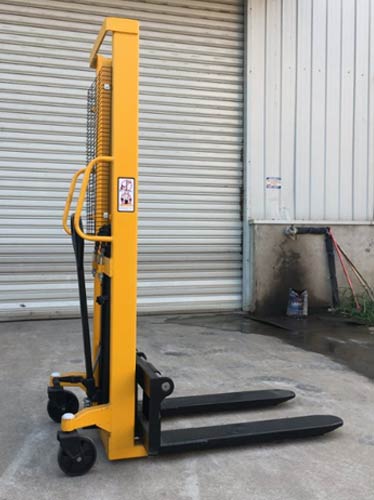
Match rated load capacity and lifting height. Choose the load specification according to the weight of regular goods and avoid long-term overloading. Check the maximum lifting height to fit your rack level. Note that higher lifting height puts higher requirements on chassis stability.
Check fork size for pallet compatibility. The fork length and adjustable outer width should match your commonly used pallets. Confirm fork adjustability in advance for non-standard pallets. Too short forks may drop goods, and improper spacing leads to uneven pallet stress.
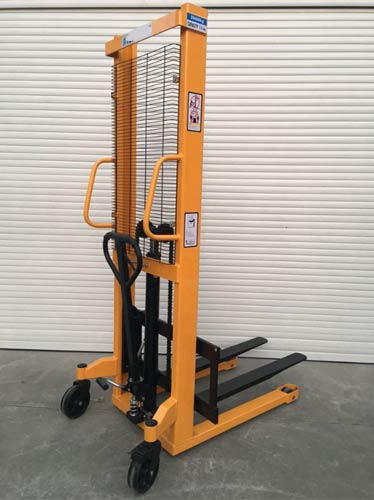
Pay attention to hydraulic system and wheel configuration. High-quality hydraulic pumps and reliable seals reduce oil leakage and lifting jamming. Wear-resistant silent wheels are preferred. Suitable wheels can lower pushing resistance and protect epoxy floors from scratches.
After selecting the manual hydraulic stacker, carry out routine inspections regularly. Lubricate wheel shafts and check hydraulic leakage to maintain stable operation. Contact our team if you need customized solutions for narrow aisle stacking equipment.
-
 Maintenance Notes for Double Pallet Truck Under Heavy Warehouse LoadsOperators often ignore abnormal motor noise of double pallet trucks during rush orders. Continuous operation burns motors. Timely maintenance prevents failures.
Do you like ?0
Read more -
 How to Get Accurate Quotations for Stand-on Counterbalance StackerStand-on counterbalance stackers rely on rear weight for stability and cost more. Battery, load, lift height and custom options affect final quotations.
Do you like ?0
Read more -
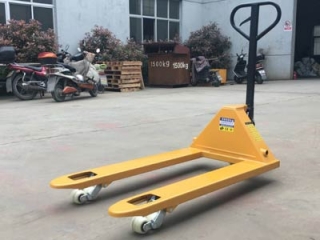 Manual Stacker Vs Pallet Jack: Key Operational Function DifferencesNew buyers confuse manual pallet trucks and manual stackers. They differ in lifting function. Pallet trucks for transfer, stackers for racking to avoid risks.
Do you like ?0
Read more -
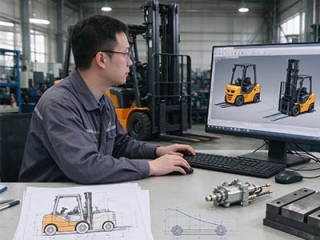 Custom Forklift Dimensions for Export to Fit Narrow Warehouse AislesForklift export faces size risks. Overseas orders may fail door, container or aisle fit. Customization needs balance of gravity, load and target market certifications.
Do you like ?0
Read more -
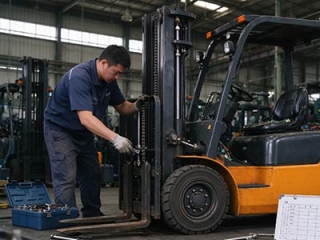 Forklift Safety Management Guide Based on Special Equipment SpecificationsForklifts are special equipment. Follow TSG 81 with training, records, inspection and on-site control to prevent accidents and penalties.
Do you like ?0
Read more -
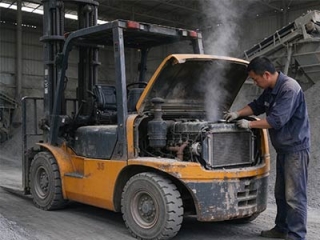 Heavy-Duty Diesel Forklift High Temperature Troubleshooting Guide3.5t diesel forklifts often overheat when handling sand and stone. Inspect cooling system step by step: radiator, belt, shroud, thermostat and water pump.
Do you like ?0
Read more








