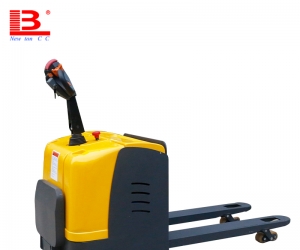
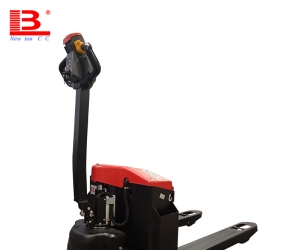
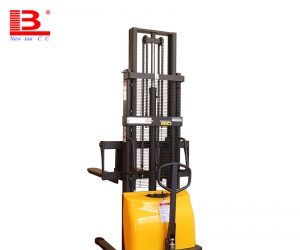
portable electric stacker can handle pallet loading inside trucks and stacking in narrow aisles. It works without loading docks or dock levelers. The self-lifting stacker completes pallet loading and unloading relying on its own structure. Despite its convenience, it is necessary to confirm matching working conditions to avoid wrong model selection and operational delays.
Urban distribution, LTL freight and truck onboard loading This is the most mainstream application for the self-lifting stacker. Many distribution stations and factories lack docks and dock levelers. After trucks arrive, the onboard portable electric stacker can load and unload pallets independently without waiting for forklift operators, supporting instant unloading. It is widely adopted in food, daily chemical and hardware component transport fleets.
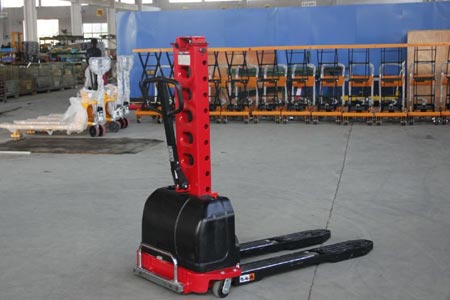
Loading at warehouses without docks in small factories and industrial parks Many old factories and small processing plants have no standard loading docks at warehouse entrances, making large diesel forklifts unable to connect with trucks. Compact and electrically driven, the self-lifting stacker transfers goods between trucks and ground surfaces, replacing manual handling and reducing labor intensity.
Multi-stop delivery with frequent unloading location changes Fresh goods, building materials and e-commerce deliveries require visiting multiple customer sites every day. Loading conditions vary greatly at different destinations, and some sites have no handling equipment. Carrying a portable electric stacker onboard removes site restrictions and improves overall delivery efficiency.
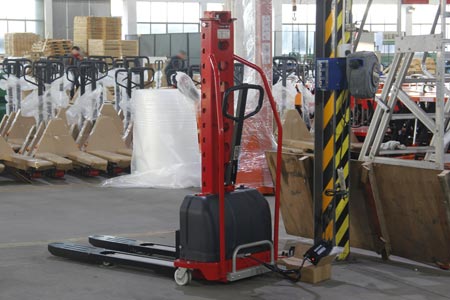
Temporary warehouses, construction sites and exhibition cargo turnover Temporary storage locations, construction sites and large exhibitions are not suitable for fixed dock levelers. Large forklifts will face low utilization if purchased long-term. The mobile self-lifting stacker can be transported to different sites anytime for higher equipment utilization.
Cargo transfer in multi-floor warehouses and compact spaces With compact overall size and small turning radius, the portable electric stacker can perform pallet stacking and short-distance transportation inside workshop aisles and small warehouses after finishing truck unloading. One machine fulfills loading and stacking tasks.
The above are common applicable scenarios of the self-lifting stacker. You can check whether the equipment matches your warehouse conditions. Feel free to contact us for professional consultation if you have any questions.
-
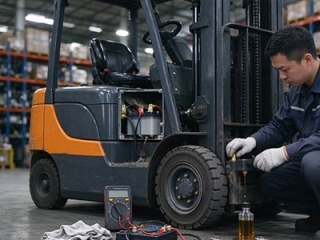 Reliability Of Newnewton Warehouse Forklifts For Heavy-Duty ShiftsWarehouse forklift reliability relies on industrial parts, reinforced frames and factory durability tests. Proper operation and maintenance reduce unexpected downtime.
Do you like ?0
Read more -
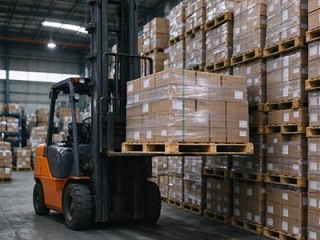 Forklift Configuration Strategy For Dense Warehousing, Warehouse ForkliftDense warehousing needs matched forklifts besides racks. Reach and trilateral stackers fit different layouts, coordinate aisle, load curve and floor for smooth handling.
Do you like ?0
Read more -
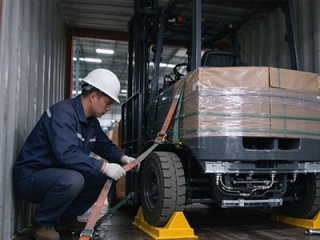 Full Container Supply For Export Forklifts, Forklift ManufacturerBulk forklift orders for overseas can ship by FCL or LCL. Newnewton FCL offers stable freight, safer packing and mixed models for large purchases.
Do you like ?0
Read more -
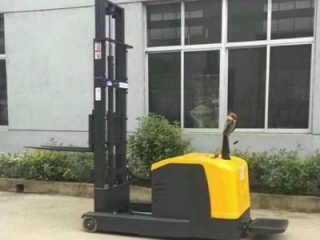 Stand-on Reach Stacker For Narrow Aisle Stacking, Mast Reach StructureStand-on reach stackers feature sliding masts that stay outside racks. They boost storage density in narrow aisles and require flat floors and standard pallets.
Do you like ?0
Read more -
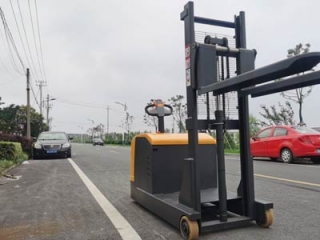 Stand-on Counterbalance Stacker For Various Pallets, Why No Leg RestrictionCounterbalance stackers have no front outriggers, using rear counterweight to avoid pallet interference. They fit various odd pallets yet need wider warehouse aisles.
Do you like ?0
Read more -
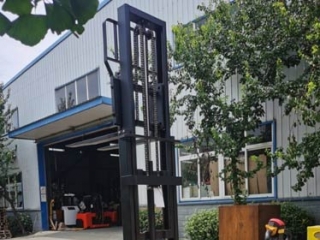 Custom Walk-Behind Counterbalance Stacker | Non-Standard ModificationsStandard walk-behind counterbalance stackers struggle with non-standard pallets and tight aisles. Customize load, lift, forks and structure, share working conditions for safe design.
Do you like ?0
Read more