
Service Life of Ride-On Electric Pallet Truck | Influencing Factors
Ride-on electric pallet trucks are widely adopted in warehousing operations. Before purchasing, buyers want to know the service life to evaluate durability and calculate payback cycles for reasonable procurement budgeting.
It is necessary to distinguish the service life of main components and the whole machine for budget planning of future replacement.
Mechanical components including frame, forks and drive axle Under flat ground conditions without overloading, the service life reaches 5–8 years.
Electrical parts such as drive motors and controllers Standard operation allows 4–6 years of service. Humid and dusty environments will shorten the service life significantly.
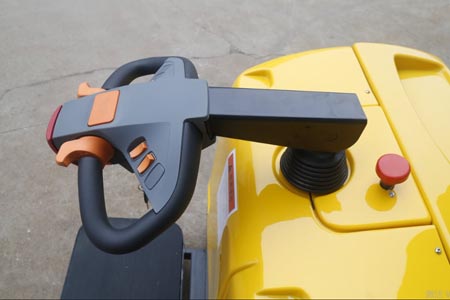
Power battery, the component with the fastest wear Lead-acid battery: 3–4 years with proper operation. Lithium iron phosphate battery: 6–8 years under standardized charge and discharge management.
Multiple conditions determine how long your pallet truck can work steadily. Sustained overloading is a common mistake. Operators often transport goods exceeding rated load, accelerating wheel abrasion, fork deformation and frame fatigue. Continuous high-load operation causes motor overheating and speeds up controller aging. It is recommended to reserve 10% load margin and avoid frequent overload work.
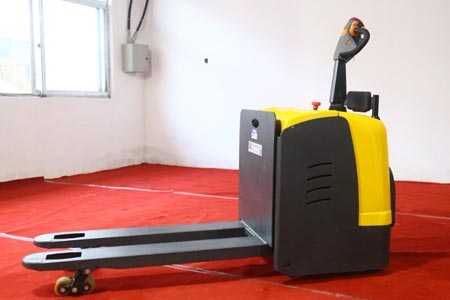
Working environment and floor conditions make a big difference. Smooth cement workshops create minimum wear. Uneven ground, cold storage and dusty plants bring continuous vibration, moisture and dust that damage bearings and circuits. For humid sites, select models with electrical components reaching IP54 protection grade or higher.
Battery charging habits cannot be ignored. Long-term discharge storage and repeated deep discharge easily cause sulfation on lead-acid battery plates. Charging lithium batteries under high temperature or using unqualified chargers accelerates cell attenuation. Do not leave the vehicle idle for a long time; replenish power timely after shifts.
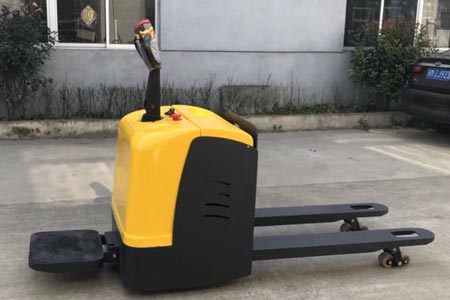
Operator behaviors also affect equipment conditions. Sharp turning at high speed, collision against racks, dragging pallets with forks and sudden start-stop on ramps create impact loads on the whole truck. Rough operation leads to premature failure of wheels, bearings and hydraulic systems. Installing speed limit devices is a practical solution.
Preventive maintenance delays unexpected breakdowns. Many factories only arrange repairs after shutdown failures without regular inspections. Daily checks on wheels and wiring, monthly screw tightening and dust cleaning, quarterly bearing lubrication and battery voltage testing effectively reduce serious malfunctions. Standardized routine maintenance greatly prolongs the service cycle of ride-on full electric pallet trucks.
-
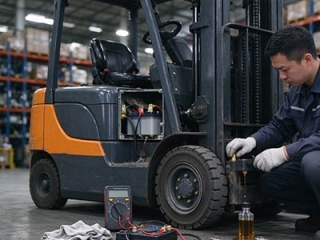 Reliability Of Newnewton Warehouse Forklifts For Heavy-Duty ShiftsWarehouse forklift reliability relies on industrial parts, reinforced frames and factory durability tests. Proper operation and maintenance reduce unexpected downtime.
Do you like ?0
Read more -
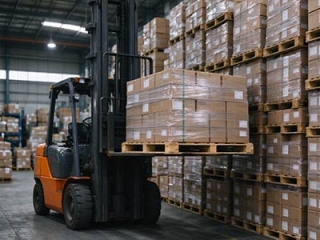 Forklift Configuration Strategy For Dense Warehousing, Warehouse ForkliftDense warehousing needs matched forklifts besides racks. Reach and trilateral stackers fit different layouts, coordinate aisle, load curve and floor for smooth handling.
Do you like ?0
Read more -
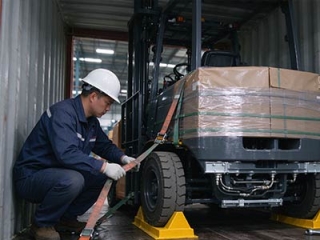 Full Container Supply For Export Forklifts, Forklift ManufacturerBulk forklift orders for overseas can ship by FCL or LCL. Newnewton FCL offers stable freight, safer packing and mixed models for large purchases.
Do you like ?0
Read more -
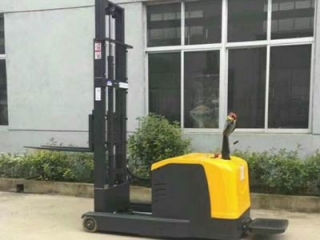 Stand-on Reach Stacker For Narrow Aisle Stacking, Mast Reach StructureStand-on reach stackers feature sliding masts that stay outside racks. They boost storage density in narrow aisles and require flat floors and standard pallets.
Do you like ?0
Read more -
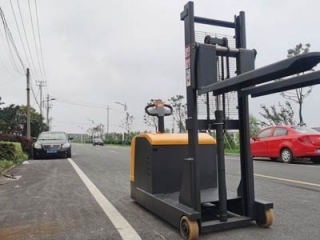 Stand-on Counterbalance Stacker For Various Pallets, Why No Leg RestrictionCounterbalance stackers have no front outriggers, using rear counterweight to avoid pallet interference. They fit various odd pallets yet need wider warehouse aisles.
Do you like ?0
Read more -
 Custom Walk-Behind Counterbalance Stacker | Non-Standard ModificationsStandard walk-behind counterbalance stackers struggle with non-standard pallets and tight aisles. Customize load, lift, forks and structure, share working conditions for safe design.
Do you like ?0
Read more








