
Stand-on Reach Stacker Pros & Cons for Narrow Aisle High-rack Warehousing
For many warehouses with narrow aisles and limited space, efficient material handling is critical. This article covers the advantages and disadvantages of stand-on reach stacker, helping you judge whether the warehouse reach electric forklift fits your storage site.
Advantages When stacking goods, the truck body does not need to enter the racking aisle, so the right-angle stacking aisle can be narrower. The stand-on reach stacker fits dense storage layouts and effectively improves warehouse space utilization.
Its extendable mast supports loading and unloading at high rack positions. Common lifting height can reach around 6 meters, meeting high-level storage demands for most automated warehouses.
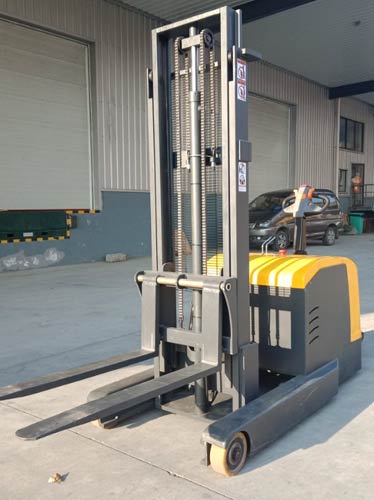
Without rear counterweight, the whole machine is compact. The stand-on operation design allows operators to get on and off quickly, suitable for frequent short-distance cargo transfer.
Disadvantages The mast and reach mechanism of stand-on reach stacker are complicated with numerous hydraulic parts. It requires more daily maintenance work than ordinary straddle stackers, resulting in higher long-term maintenance costs.
Working performance is heavily affected by floor conditions. Potholes and wide gaps on the ground will reduce the stability of the telescopic reach mechanism. The warehouse reach electric forklift is not applicable for outdoor or rough ground operation.
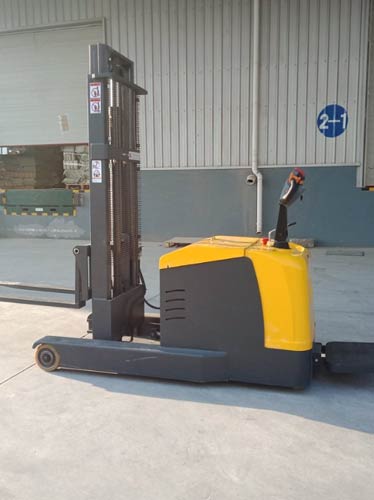
Due to structural limits, its load capacity is lower than counterbalance stackers under the same rated load. It is not ideal for continuous transport of heavy and large-tonnage goods.
Operators need to master the operation logic of the extendable mast. New staff must receive professional training, and operating proficiency directly affects working efficiency and safety.
The warehouse reach electric forklift works well for high stacking in narrow warehouses. However, you need to select other truck types if your site has poor ground conditions or continuous heavy-load tasks. Contact us to get digital brochures and more information if you are interested in this equipment.
-
 Maintenance Notes for Double Pallet Truck Under Heavy Warehouse LoadsOperators often ignore abnormal motor noise of double pallet trucks during rush orders. Continuous operation burns motors. Timely maintenance prevents failures.
Do you like ?0
Read more -
 How to Get Accurate Quotations for Stand-on Counterbalance StackerStand-on counterbalance stackers rely on rear weight for stability and cost more. Battery, load, lift height and custom options affect final quotations.
Do you like ?0
Read more -
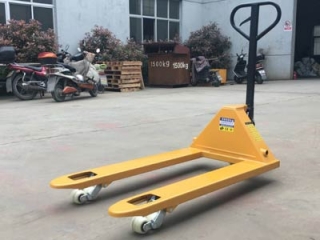 Manual Stacker Vs Pallet Jack: Key Operational Function DifferencesNew buyers confuse manual pallet trucks and manual stackers. They differ in lifting function. Pallet trucks for transfer, stackers for racking to avoid risks.
Do you like ?0
Read more -
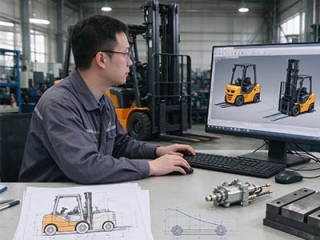 Custom Forklift Dimensions for Export to Fit Narrow Warehouse AislesForklift export faces size risks. Overseas orders may fail door, container or aisle fit. Customization needs balance of gravity, load and target market certifications.
Do you like ?0
Read more -
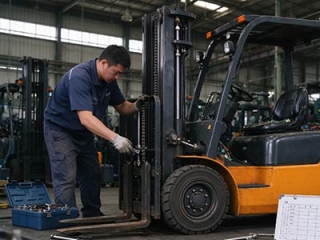 Forklift Safety Management Guide Based on Special Equipment SpecificationsForklifts are special equipment. Follow TSG 81 with training, records, inspection and on-site control to prevent accidents and penalties.
Do you like ?0
Read more -
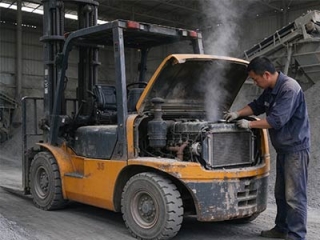 Heavy-Duty Diesel Forklift High Temperature Troubleshooting Guide3.5t diesel forklifts often overheat when handling sand and stone. Inspect cooling system step by step: radiator, belt, shroud, thermostat and water pump.
Do you like ?0
Read more








