Cut 20% Annual Electricity Cost! Electric Forklift Energy-efficient Operation Gu
Electric pallet trucks and stackers consume massive battery power under frequent, high-intensity warehouse operations. Fast power drain and frequent recharging push up monthly factory electricity bills. Below is a systematic set of Energy Saving Solutions for Warehouse Handling Equipment, plus practical power-saving driving methods.
I. Overall Warehouse Energy Management
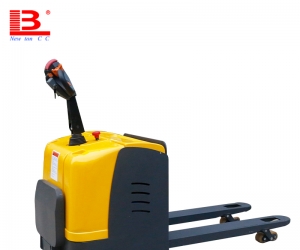
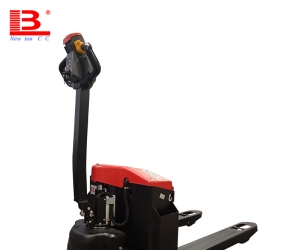
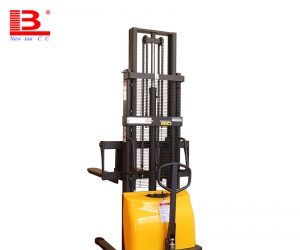
Match equipment to working conditions, avoid oversize models for light tasks Use lightweight walk-behind electric pallet trucks for light, short-distance transport; select matched capacity stackers for high-lift stacking. Prevent heavy large-tonnage electric forklifts from empty long-distance travel — empty high-power driving is the biggest power consumer.
Optimize warehouse routes to eliminate unnecessary trips Plan fixed routes for loading, sorting and storage; combine scattered transfer tasks to cut U-turns and empty runs. Store fast-moving goods near corresponding racks to shorten travel distance.
Off-peak centralized charging to reduce power expense Charge all fleets at night during low-tariff hours, avoid daytime high electricity rates. Avoid frequent shallow charging and incomplete discharge; follow full charge-discharge cycles to reduce battery energy loss.
Timely power-off for idle machines & staggered equipment usage Shut down the whole machine during lunch breaks, off-hours and long waiting periods instead of idling. Arrange staggered operation for multiple handling devices to avoid extra power loss from overloaded circuits.
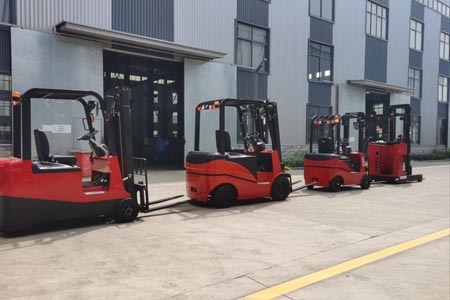
Regular unified maintenance to lower mechanical resistance Lubricate mast chains and clear debris wrapped around wheels to reduce motor power consumption. Replace worn bearings and aging hoses on schedule to cut hydraulic energy waste.
II. Practical Power Saving Operation Tips for Electric Forklifts
Accelerate smoothly, no sudden full throttle Instant high motor output doubles power consumption. Gentle acceleration reduces peak current and greatly extends working hours per charge.
Decelerate in advance, minimize hard braking Release the accelerator early and glide by inertia instead of frequent braking, especially effective for heavy-load energy conservation.
Travel with low fork height, avoid repeated lifting during transit Keep forks 10–20cm above ground when moving goods. Never travel with raised forks to slash hydraulic motor power use.
Avoid repeated lifting and sharp on-site steering Do not lift/lower forks repeatedly while waiting for loading; full-lock steering in place adds heavy load to drive motors.
Standard load capacity, no overloading or eccentric loading Overload increases motor and battery burden, accelerating battery aging and speeding up power drain.
Steady constant speed on ramps, no sudden acceleration uphill/downhill Maintain low stable speed on slopes; abrupt acceleration on gradients causes sharp power surge.
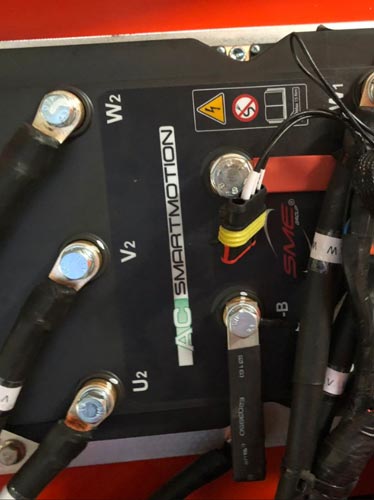
Daily dust removal for controllers and motors Dust buildup blocks heat dissipation, raises motor temperature and boosts power draw. Simple daily cleaning keeps energy efficiency stable.
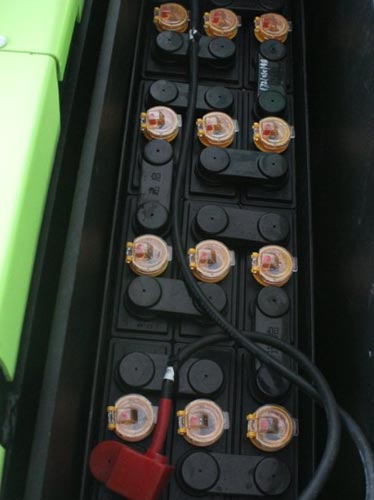
Standard battery maintenance, never run batteries flat Recharge batteries when 20% power remains. Deep discharge raises internal resistance and leads to permanently higher energy consumption.
Master the above Power Saving Operation Tips for Electric Forklifts and optimize warehouse layout comprehensively. Factories can reduce annual electricity expenditure by 20% and slash daily operating costs effectively.
-
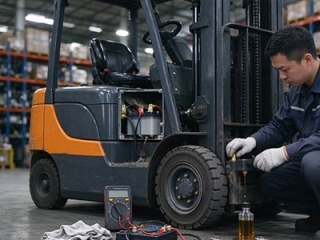 Reliability Of Newnewton Warehouse Forklifts For Heavy-Duty ShiftsWarehouse forklift reliability relies on industrial parts, reinforced frames and factory durability tests. Proper operation and maintenance reduce unexpected downtime.
Do you like ?0
Read more -
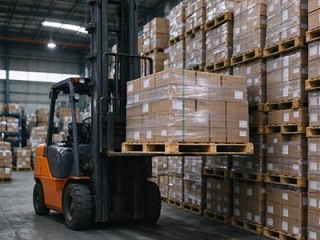 Forklift Configuration Strategy For Dense Warehousing, Warehouse ForkliftDense warehousing needs matched forklifts besides racks. Reach and trilateral stackers fit different layouts, coordinate aisle, load curve and floor for smooth handling.
Do you like ?0
Read more -
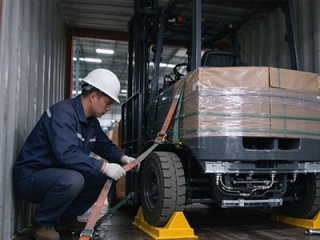 Full Container Supply For Export Forklifts, Forklift ManufacturerBulk forklift orders for overseas can ship by FCL or LCL. Newnewton FCL offers stable freight, safer packing and mixed models for large purchases.
Do you like ?0
Read more -
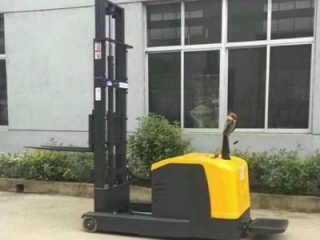 Stand-on Reach Stacker For Narrow Aisle Stacking, Mast Reach StructureStand-on reach stackers feature sliding masts that stay outside racks. They boost storage density in narrow aisles and require flat floors and standard pallets.
Do you like ?0
Read more -
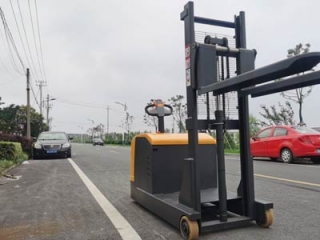 Stand-on Counterbalance Stacker For Various Pallets, Why No Leg RestrictionCounterbalance stackers have no front outriggers, using rear counterweight to avoid pallet interference. They fit various odd pallets yet need wider warehouse aisles.
Do you like ?0
Read more -
 Custom Walk-Behind Counterbalance Stacker | Non-Standard ModificationsStandard walk-behind counterbalance stackers struggle with non-standard pallets and tight aisles. Customize load, lift, forks and structure, share working conditions for safe design.
Do you like ?0
Read more